
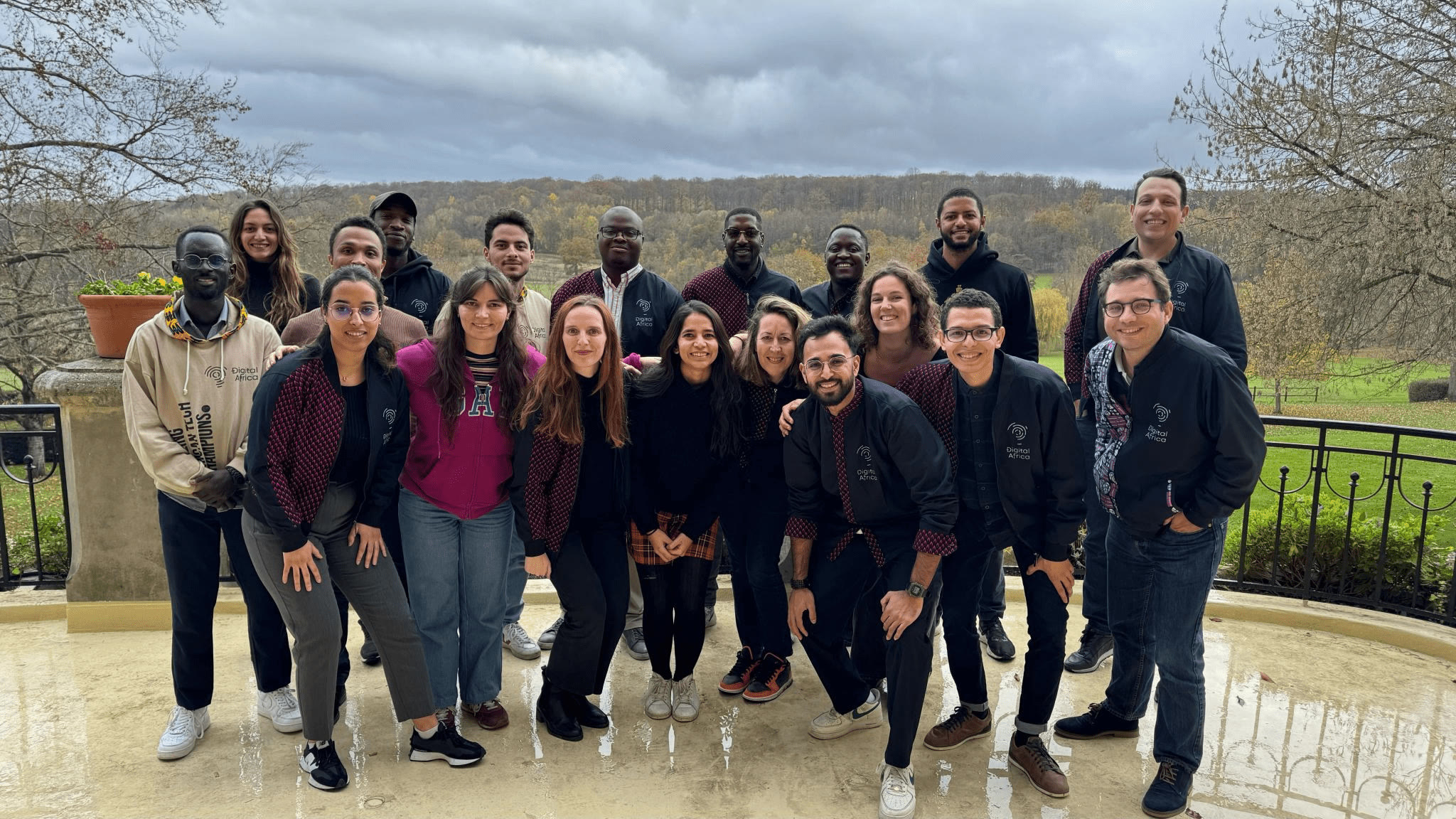
Europe is placing institutional capital behind African artificial intelligence. French state-backed Digital Africa has launched the AI Fuzé Challenge — a pooled funding initiative backed by Proparco (France’s development finance arm), Bpifrance, Partech, and AfricInvest, targeting early-stage AI startups across the African continent.
What the Fuzé Challenge is
The AI Fuzé Challenge is an accelerator-plus-funding programme that combines a competitive application round, a cohort of selected startups, and access to a pool of blended finance — grant, equity, and convertible instruments — from the consortium of backers. Selected founders will pitch at the Africa Forward Summit in Nairobi in May 2026, with the top performers receiving term sheets on stage.
The European rationale
For Europe’s development finance institutions, the African AI bet is strategic. African markets represent some of the fastest-growing consumer and business AI adoption rates globally, with mobile-first infrastructure bypassing legacy tech constraints. By entering early-stage, European institutions position themselves as preferred investors when these startups grow to series B and beyond — a point at which valuations are significantly higher and entry terms are more competitive.
The market context
African tech ventures raised $382 million in the first quarter of 2026 — a 35 percent jump year-on-year, according to data from Partech. The AI vertical is the primary driver of growth, with language models fine-tuned for African languages, agricultural AI, and fintech decisioning tools attracting the most attention. The Fuzé Challenge targets this cluster specifically.
Why it matters for African founders
Accessing European institutional capital at the early stage has historically required African founders to have European networks, a European incorporation, or an existing European investor in their cap table — barriers that structurally disadvantaged sub-Saharan African founders relative to their North African or diaspora counterparts. The Fuzé Challenge explicitly seeks to lower that entry threshold by running the process through Digital Africa’s African-based network.











Leave a Reply