
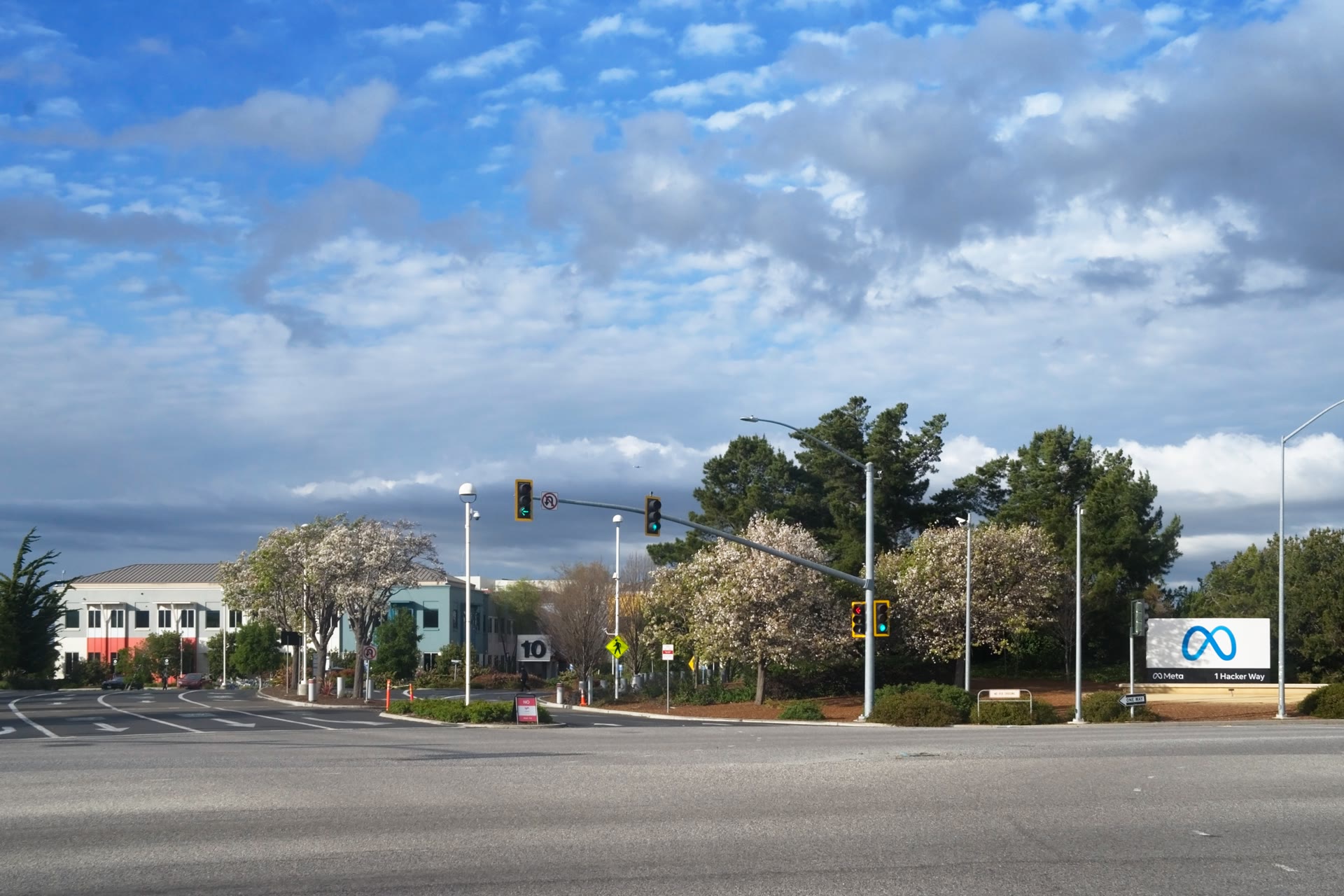
Meta has unveiled Muse Spark, the first model in a new frontier AI family built by the recently restructured Meta Superintelligence Labs and the first significant AI release since the company spent roughly $14 billion to bring in Alexandr Wang as Chief AI Officer. Announced on 8 April 2026, the model is Meta’s most decisive pivot away from the Llama open-source strategy that defined its AI work for the previous two years.
What’s new
Muse Spark is a multimodal model positioned as “small and fast by design” but capable of reasoning through complex questions in science, mathematics, and health. Meta is marketing it aggressively on its HealthBench Hard score of 42.8 — a meaningful lead over some larger frontier models — and on its agentic-task performance. On the broader Intelligence Index, Muse Spark scores 52, placing it behind Gemini 3.1 Pro and GPT-5.4 (both 57) and Claude Opus 4.6 (53).
The business model shift
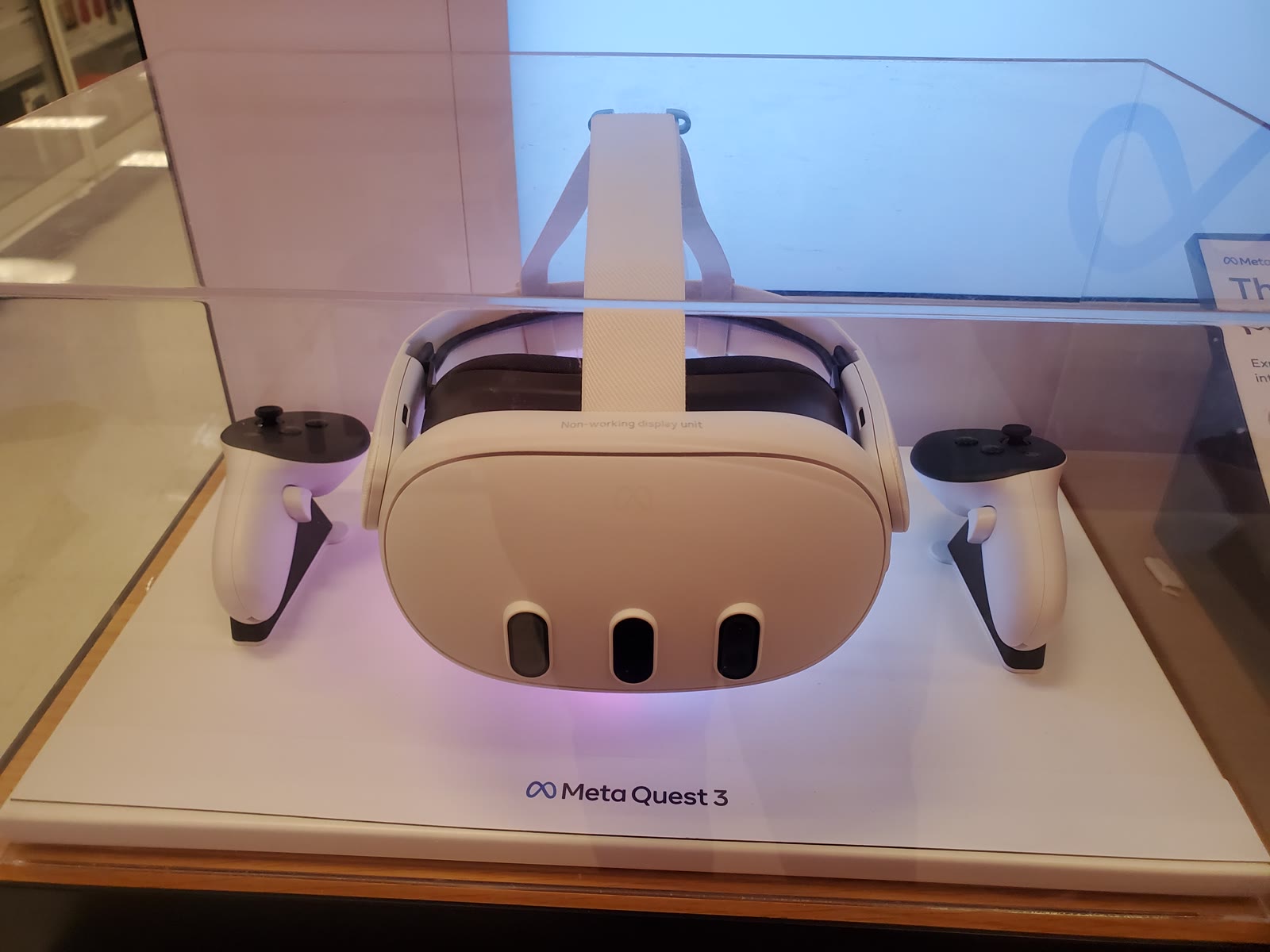
The single most consequential thing about Muse Spark is not technical but strategic: it is proprietary. Meta’s Llama line was open-weights, which let the company claim leadership on democratising AI while letting rivals benefit from the model’s distribution. Muse Spark closes that door. Meta will offer the model to select partners through a private API preview and will use it to power Meta AI across WhatsApp, Instagram, Facebook, Messenger, and its smart-glasses products. The open-source era at Meta is over.
The Alexandr Wang bet
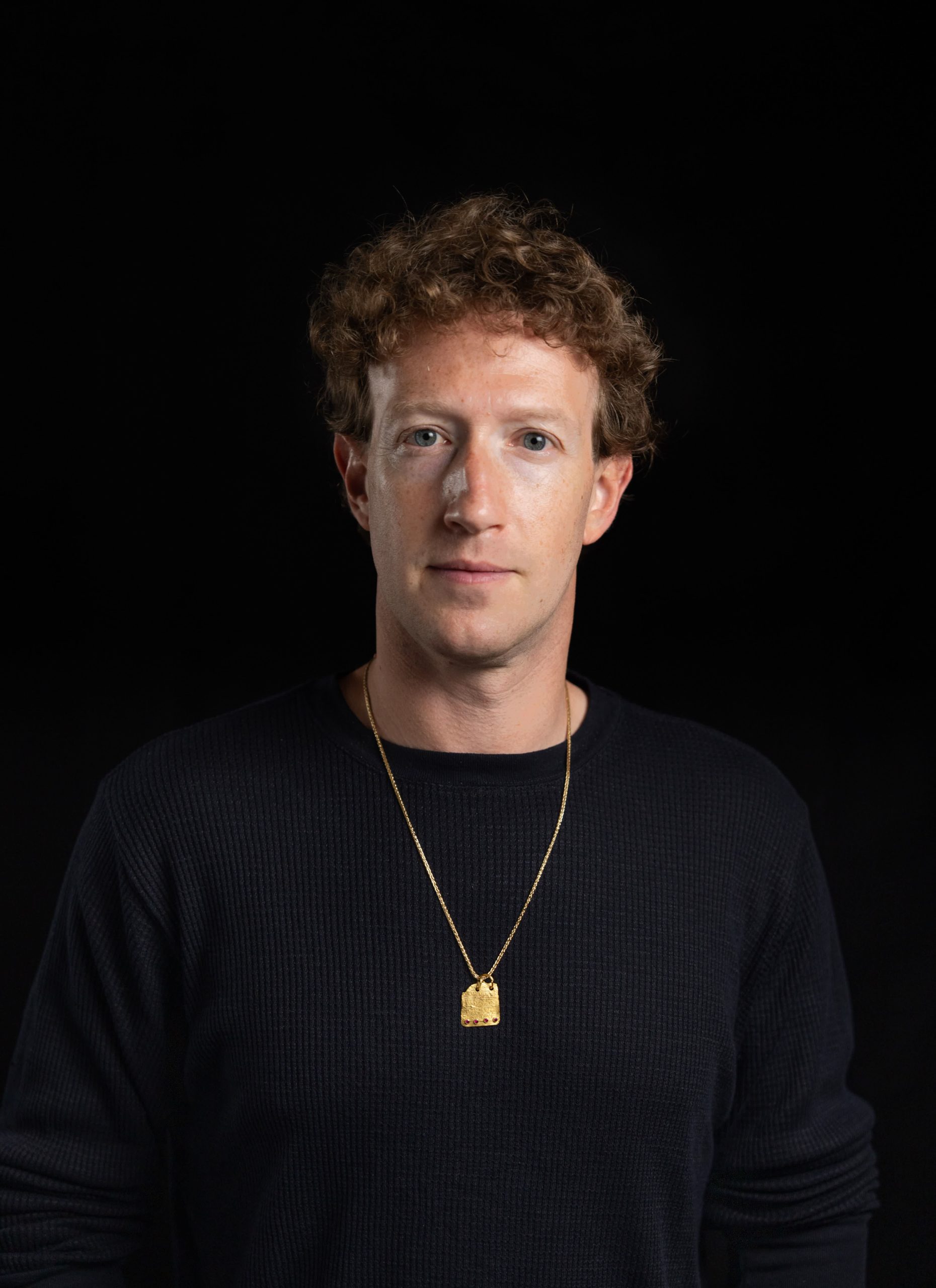
Wang — the Scale AI founder Meta reportedly paid a record sum to acquire — oversaw a ground-up rebuild of Meta’s AI stack over nine months, according to the internal codename “Avocado” that preceded the Muse Spark launch. For Mark Zuckerberg, the investment thesis is straightforward: with 3.3 billion people using Meta’s apps daily, even a middle-of-the-pack frontier model becomes the largest deployed AI system on Earth. Muse Spark does not need to beat Gemini 3.1 Pro. It needs to be good enough to be used every day by three billion people. On that metric, Meta may already be winning.
What investors are watching
The open question is monetisation. Meta has yet to disclose how it intends to turn Muse Spark into revenue beyond the indirect benefit to advertising. OpenAI and Anthropic have clear enterprise revenue trajectories; Meta, so far, does not. That gap is the single biggest reason some analysts remain sceptical about Zuckerberg’s $60-70 billion annual AI capex.





Leave a Reply