

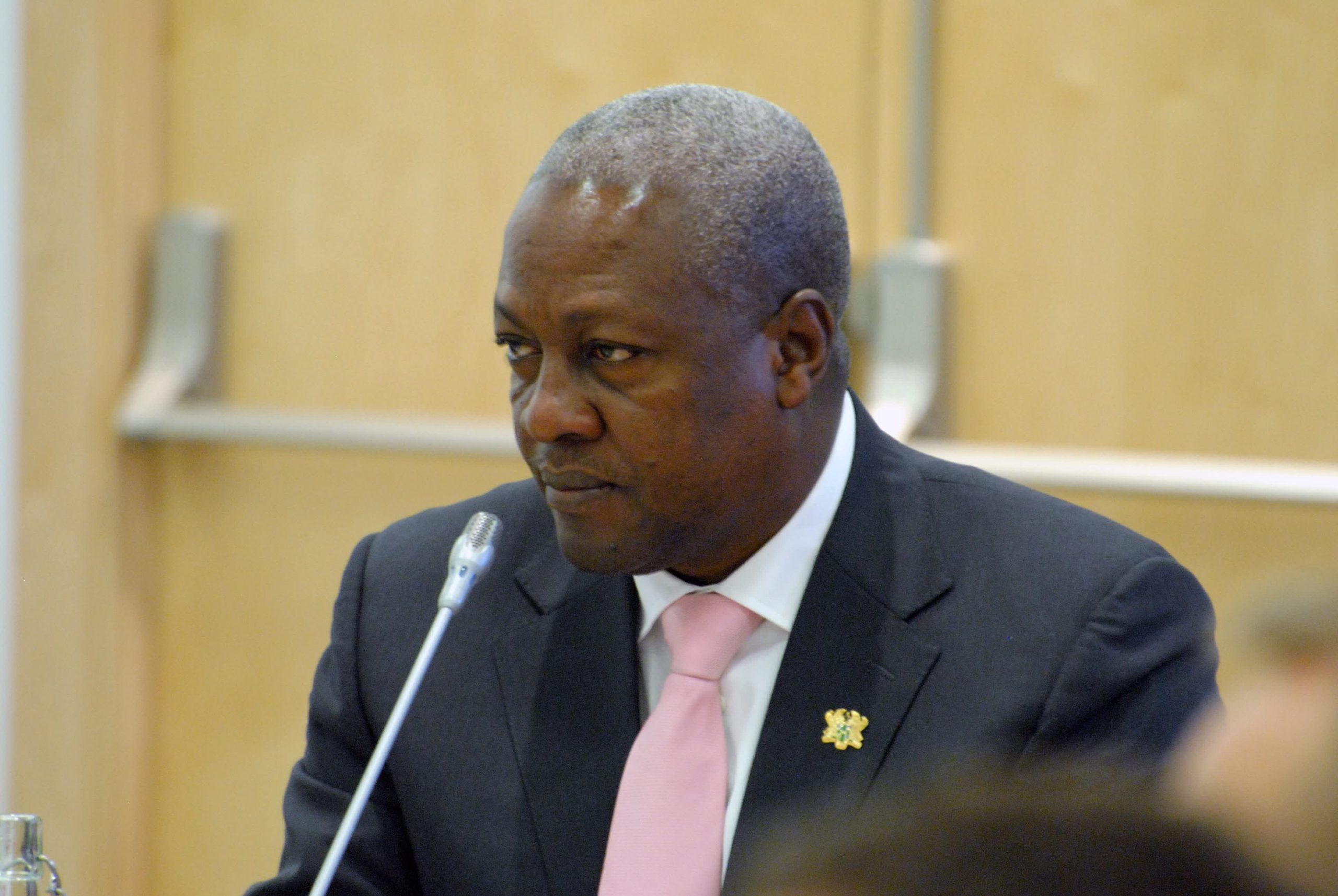
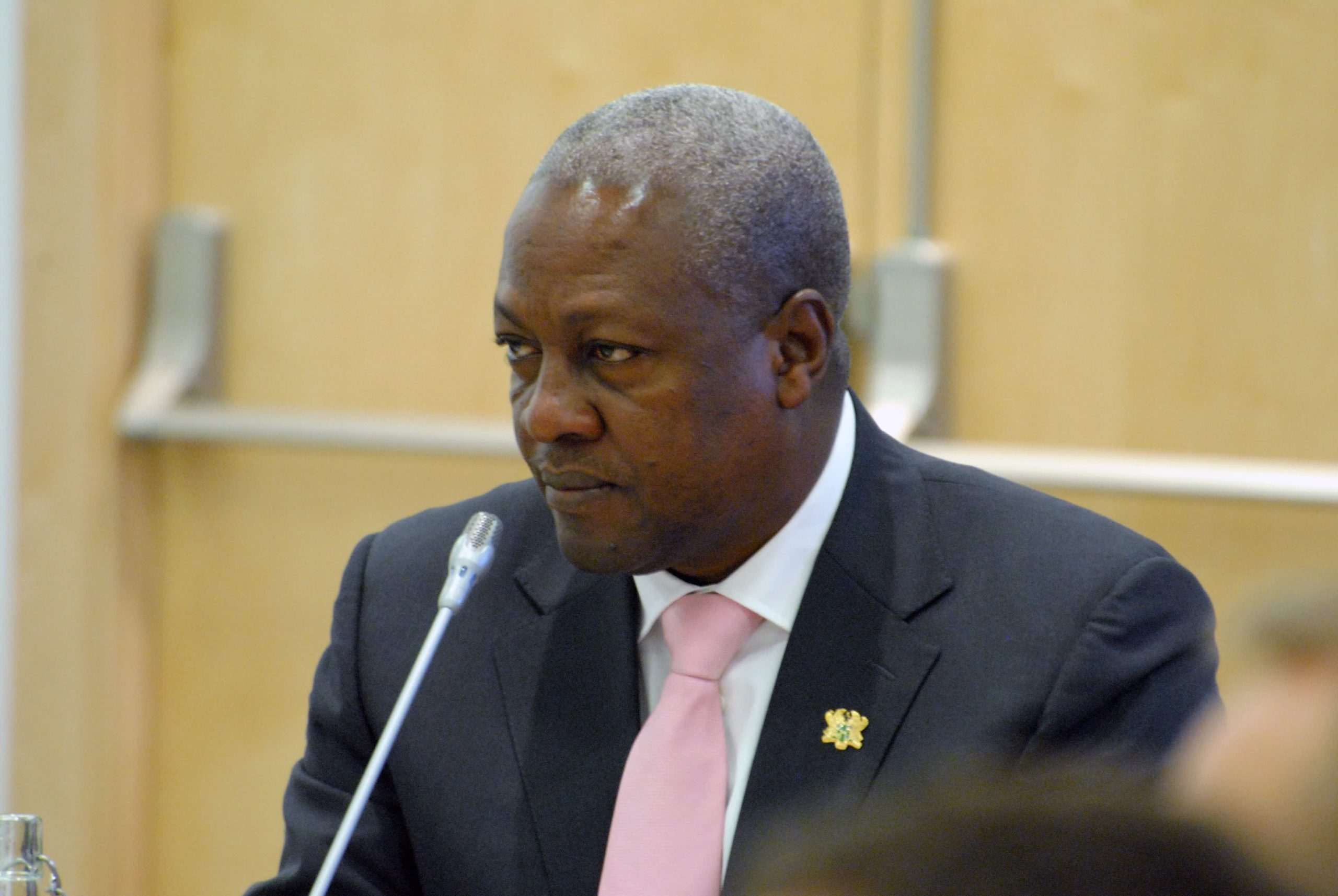
President John Mahama used the 2026 Kwahu Business Forum in Mpraeso, Eastern Region, to unveil the operational details of Ghana’s 24-Hour Economy initiative — the flagship industrial policy of his administration — offering a concrete package of incentives to businesses willing to commit to round-the-clock production.
What the incentives include
Firms qualifying under the 24-Hour Economy programme will be eligible for: duty-free importation of machinery and equipment used to expand production capacity; fast-track port clearance procedures, reducing delays that have long added cost to Ghanaian manufacturers; off-peak electricity tariffs to cut nighttime energy costs; enhanced industrial security arrangements for overnight operations; and targeted tax exemptions for qualifying shift-based employers.
The President was speaking days after Parliament formally passed the 24-Hour Economy Authority Bill into law — establishing the legal and regulatory framework for the programme. The newly created Authority is already recruiting personnel and setting up operational offices.
The GH₵110 million allocation
The 2026 Budget allocated GH₵110 million to kickstart the programme. Mahama described this as seed capital to demonstrate government commitment, with the expectation that private-sector matching and development finance will multiply the impact over the first 18 months.
The AfCFTA angle
The initiative is explicitly framed around Ghana’s strategic position as the headquarters of the African Continental Free Trade Area. By expanding round-the-clock production, Ghanaian manufacturers would be better placed to supply regional markets and compete effectively within West Africa — especially as the AfCFTA secretariat works to operationalise goods and services protocols.
The sceptics
The 24-Hour Economy concept — running factories, ports, and markets around the clock — is not new; it has been proposed and stalled before in Ghana. Critics point to structural barriers: unreliable electricity, inadequate transport links at night, and security concerns. The Authority Bill and its incentive package are the clearest signal yet that this administration intends to move from policy to execution. Whether the implementation matches the ambition will become clear within the year.








Leave a Reply