
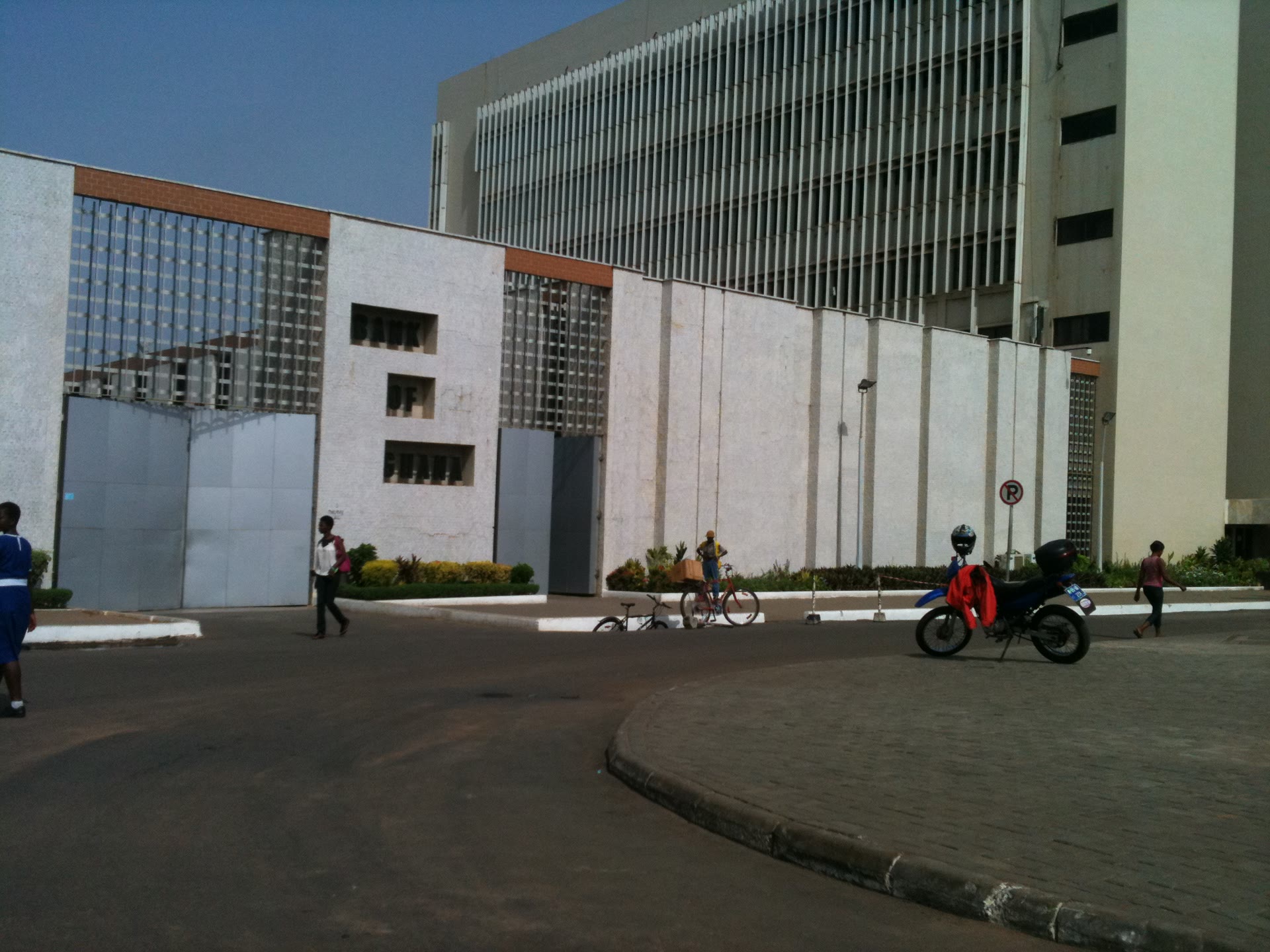
Ghana’s headline inflation rate has fallen to 3.2 percent in March 2026 — its lowest reading in over a decade and the fifteenth consecutive month of decline from the 54 percent peak reached at the height of the 2022-23 debt crisis. The Ghana Statistical Service confirmed the figure earlier this month, marking one of the sharpest disinflation trajectories recorded anywhere in the world over the past three years.
What drove it down
Three factors converged to engineer the fall. First, the Bank of Ghana’s aggressive rate-hike cycle between 2022 and 2024 took real steam out of demand. Second, the cedi has appreciated meaningfully against the dollar since mid-2025, pulling down the prices of imported goods and fuel. Third, food supply conditions improved after two poor harvests, breaking the cost-push spiral that had punished Ghanaian households for two years.
The BoG’s policy pivot
With inflation comfortably inside the Bank of Ghana’s 8 ± 2 percent medium-term target band, the Monetary Policy Committee cut the policy rate by 150 basis points in March to 14 percent — the first cut of the cycle. Commercial bank lending rates have followed, with the weighted average dropping to around 19.2 percent. For businesses that spent the last two years priced out of credit, it is the first meaningful relief in a long time.
The risk nobody is talking about
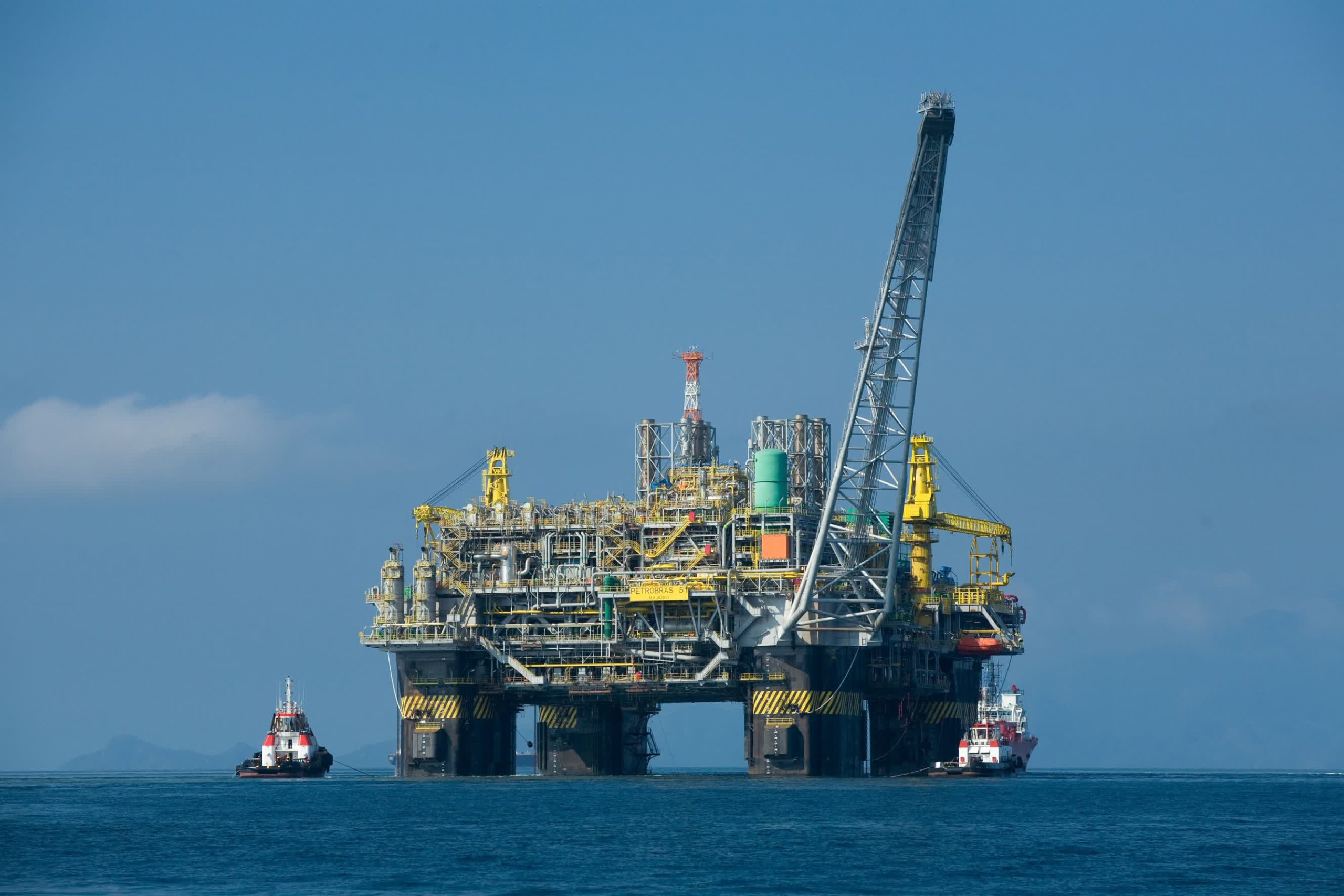
The victory lap is premature. Ghana imports roughly 95 percent of its refined petroleum, which means global oil prices translate almost directly into domestic pump prices, transport costs, and food prices. With Brent crude now trading above $100 following the Hormuz blockade, the single largest downside risk to Ghana’s disinflation story is already unfolding. The World Bank’s April 2026 Africa Economic Update projects that rising fuel, food, and fertiliser prices will push inflation higher across sub-Saharan Africa and disrupt the recovery.
Ghana’s 3.2 percent is an achievement. Keeping it there through the back half of 2026 will be the harder test.








Leave a Reply