
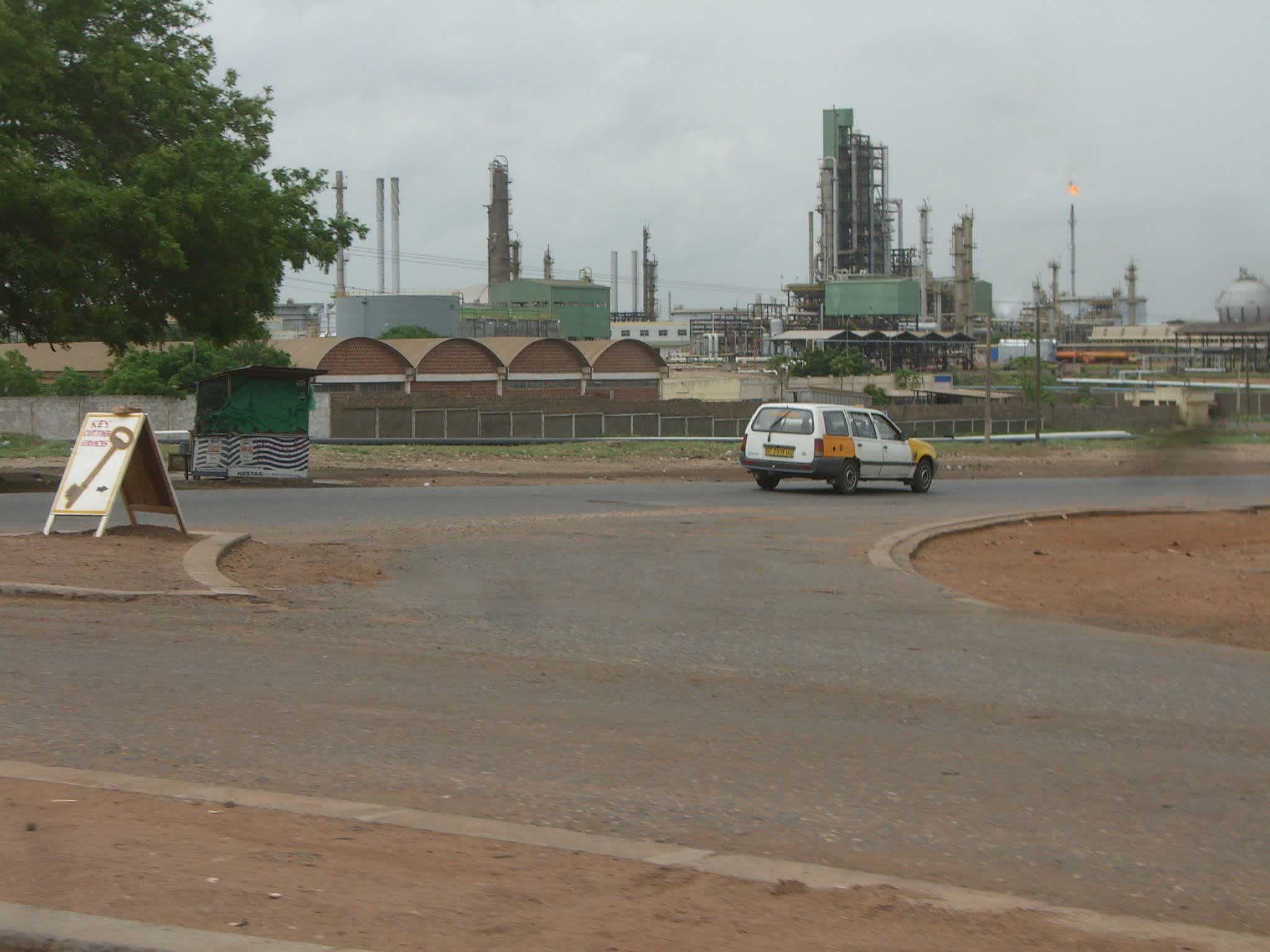
Ghanaians filling up at the pump from 16 April 2026 are paying less for fuel — not because world oil prices fell, but because President John Mahama directed the government to absorb GH₵2.00 per litre on diesel and GH₵0.36 per litre on petrol within the current pricing window. According to the Ministry of Finance, that intervention costs the public purse roughly GH₵200 million in foregone revenue every two-week window.
What changed and why now
Ghana’s National Petroleum Authority sets pump prices every two weeks based on a formula tied to the world crude price, the cedi-dollar exchange rate, and taxes. The April 1–15 window had already seen petrol rise roughly 15 percent to GH₵13.30 per litre and diesel jump roughly 19 percent to GH₵17.10 per litre — driven by the global oil shock from the US-Iran war and the Strait of Hormuz blockade.
The administration intervened ahead of the April 16 window, choosing to forego a portion of the levy revenue to reduce the pass-through to consumers and transport operators. The NPA confirmed the revision is effective as of the April 16 pricing cycle.
The IMF tension
Ghana remains on an IMF-supported fiscal consolidation programme. The IMF has consistently cautioned governments against broad fuel subsidies, warning they tend to benefit upper-income households more than the poor and crowd out targeted social spending. In April 2026, the fund renewed that caution in its global Fiscal Monitor.
The government’s counter-argument: headline inflation in Ghana fell to 3.2 percent year-on-year in March 2026 — the lowest since 2021 — giving fiscal space for temporary demand support. The cedi has also strengthened materially, reducing the cost to the government of sustaining the intervention relative to the last rate cycle.
Who benefits
Transport operators — trotro drivers, intercity bus operators, logistics companies — are the immediate beneficiaries, since diesel is their primary input cost. Fuel costs feed into food prices, utility tariffs, and basically every segment of the Ghanaian cost of living, so a pump-price reduction has a wider economic echo than its size suggests.
Whether the relief continues into future windows depends on whether world oil prices stabilise and whether the IMF signs off on the approach in the next programme review, scheduled for June 2026.




Leave a Reply