
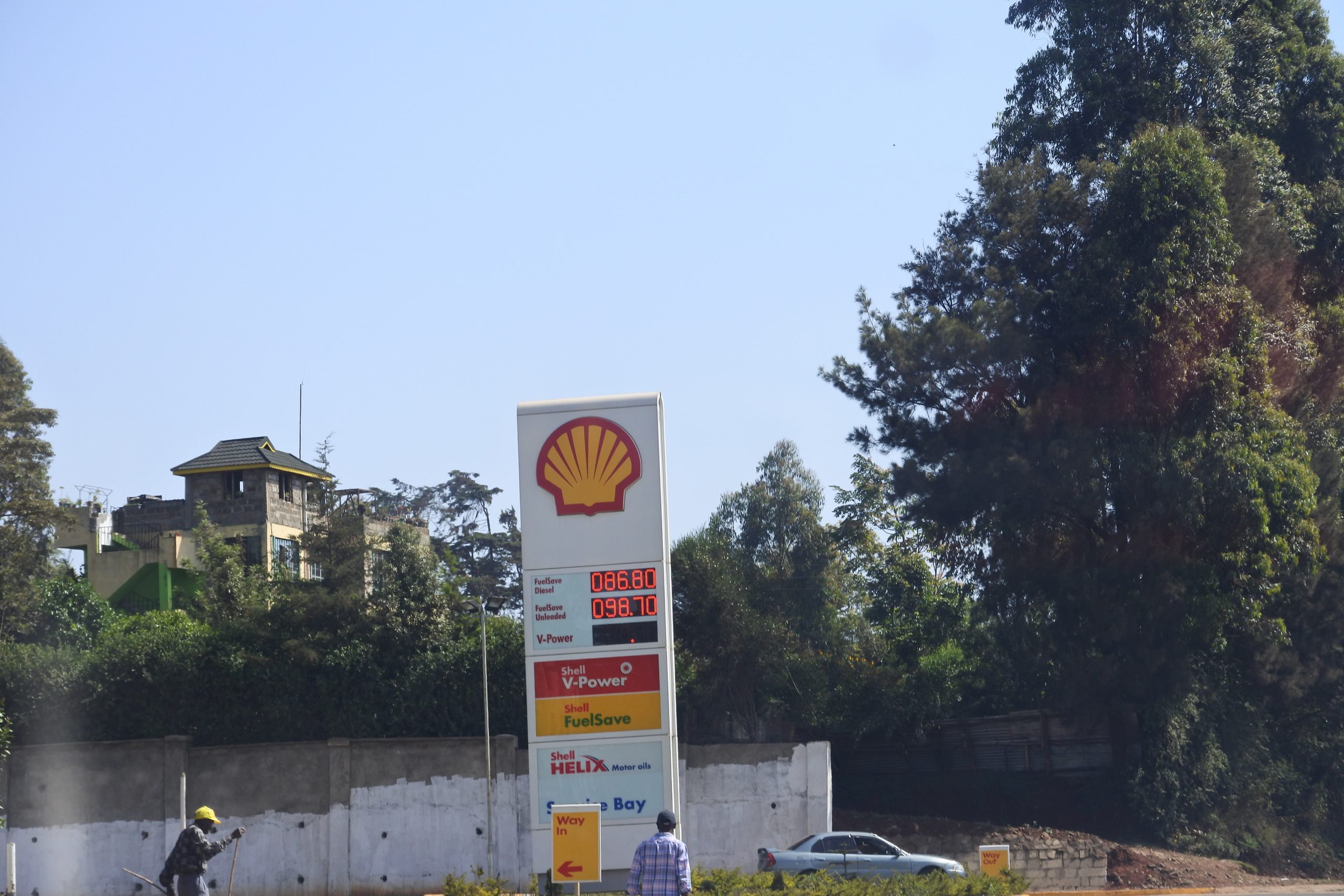
Kenya has broken its diesel price record. The Energy and Petroleum Regulatory Authority (EPRA) has raised diesel by KSh 40 shillings per litre to KSh 206.84 — the largest single diesel increase in at least 21 years of pricing records — in the April 2026 pricing review. The spike is driven by Middle East supply disruptions that pushed Kenya’s landed diesel cost up 68 percent in a single month.
The numbers
Diesel: KSh 206.84/litre (up from KSh 166.84). Super petrol: KSh 214.10/litre (up from KSh 190.50). Kerosene — used primarily by low-income households for cooking — was raised to KSh 183.60/litre. All increases take effect immediately and are set for the standard 30-day pricing cycle.
Why landed costs jumped 68%
The Middle East supply disruption — centred on the Hormuz Strait blockade in the ongoing Iran conflict — affected the specific refining-and-shipping corridor that supplies a significant share of East Africa’s refined petroleum. Kenya imports 100 percent of its refined fuels. When the Hormuz disruption hit, the cost of a barrel of petroleum products on the relevant delivery contracts jumped sharply, and that landed cost is the primary input into EPRA’s regulated pricing formula.
Immediate market effects
Matatu fares in Nairobi have already risen by 15–30 percent on major routes. Trucking associations have announced a 20 percent freight surcharge effective immediately. EPRA has pre-empted the increase by releasing a statement urging “restraint” from transporters — language that has had limited effect in past price spikes.
The East Africa domino
Kenya is East Africa’s largest economy and the primary overland transit corridor for Uganda, Tanzania, Rwanda, Burundi, and South Sudan. Fuel prices in Nairobi propagate — through trucking costs — into food prices across all of those markets within 2–6 weeks. Central bank economists in Kampala and Kigali are already revising April inflation forecasts upward. The Kenyan record at the pump is not just a Kenyan story.












Leave a Reply