
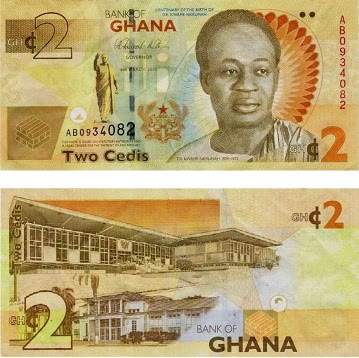
The Ghanaian cedi closed the first quarter of 2026 with its strongest performance in five years — losing only 4.4 percent against the US dollar in the three months to end-March, the smallest Q1 depreciation since 2021.
The currency closed March at GH¢10.98 to the dollar on the interbank market and has firmed further into April. The Bank of Ghana’s reference rate stood at GH¢11.02 on April 17. Stanbic Bank’s commercial selling rate was GH¢11.18 the same day.
Context
Compare with recent Q1 performances:
- Q1 2026: -4.4%
- Q1 2025: -8.7%
- Q1 2024: -14.2%
- Q1 2023: -19.5%
- Q1 2022: -25.6% (the start of the debt-crisis collapse)
This is not a strong cedi by historical standards — the unit lost 28% over the trailing 12 months. But it is the first Q1 in half a decade where depreciation has been measured rather than disorderly.
What’s Working
- The IMF Extended Credit Facility is on track. Disbursements are flowing. Reform conditionality is being met.
- Cocoa and gold export receipts — record gold prices and a partial cocoa price recovery are pushing FX inflows back to historic norms
- Bank of Ghana FX market reform — the central bank’s domestic gold purchase programme has added meaningfully to gross reserves, and forwards-market deepening has reduced volatility
- Tighter monetary policy — the policy rate at 23% remains restrictive against headline inflation now at 3.2%
Risks Ahead
Three tail risks could undo the rally:
- Iran ceasefire collapse → oil to US$120/bbl → Ghana fuel-import bill rises ~US$300m/month
- Global gold price reversal would cut a major source of FX
- Domestic political pressure to ease monetary policy ahead of 2028
The GANRAP Backstop
Finance Minister Ato Forson’s newly unveiled Ghana Accelerated National Reserve Accumulation Policy is the structural follow-through — designed to ensure that even if external shocks return, Ghana’s reserve buffer is thick enough to absorb them without a repeat of 2022.
Source: Bank of Ghana / Stanbic Bank Daily FX Rates / GNBCC








Leave a Reply