
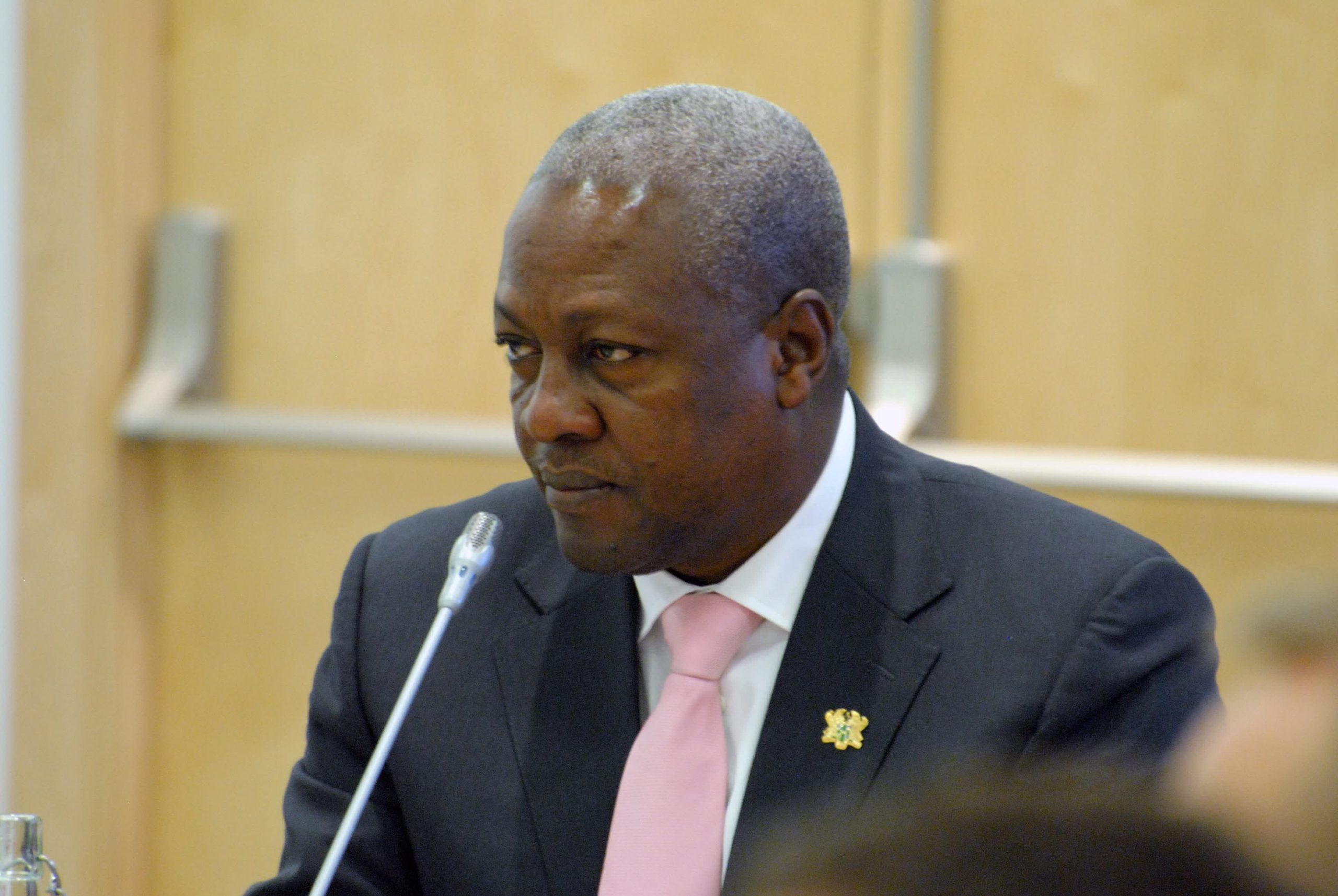
President John Dramani Mahama has ordered a four-week suspension of Ghana’s petroleum levy ahead of the 16 April pricing window, a move designed to shield consumers from the oil price shock driven by the ongoing Iran war and the US naval blockade of the Strait of Hormuz.
What has been suspended
The directive, signed by Finance Minister Cassiel Ato Forson, suspends the Special Petroleum Tax for four weeks effective the next pricing window on 16 April. Oil Marketing Companies (OMCs) have been formally instructed to pass the suspension through to pump prices immediately. Enforcement falls to the National Petroleum Authority, which will audit OMC invoices during the suspension period.
Why now
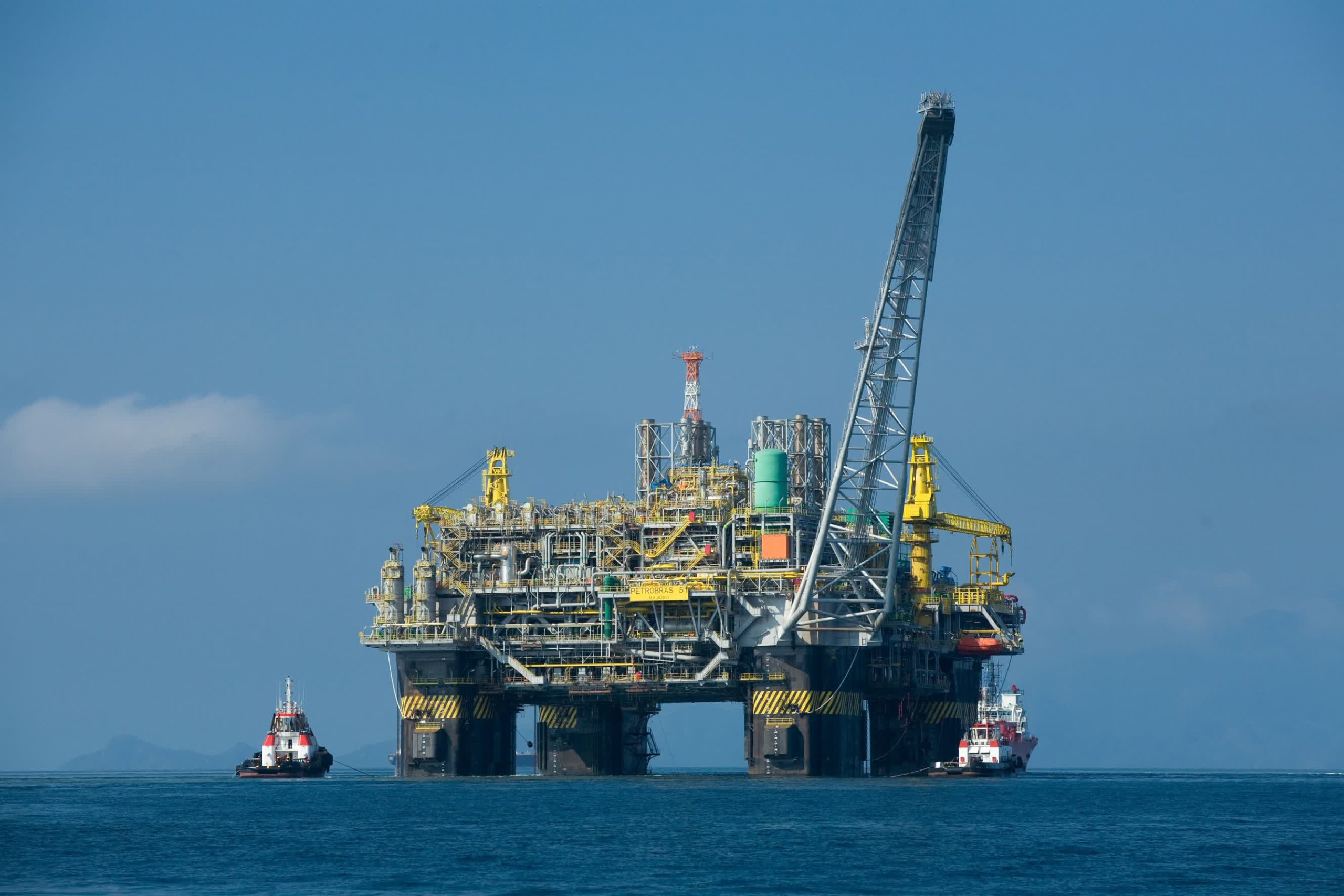
Global crude is trading above $103 per barrel after the US announced a full naval blockade of the Strait of Hormuz. Ghana imports the vast majority of its refined fuel. Left alone, a 16 April pricing review would have meant a double-digit petrol and diesel hike for consumers who are already absorbing elevated transport and food costs. The four-week suspension effectively caps the pass-through of the global shock for one pricing cycle — buying the government time to assess whether a more structural intervention is needed.
The fiscal cost
Four weeks of suspended petroleum levy will cost the Treasury an estimated GH¢200–300 million in foregone revenue, according to Ministry of Finance projections circulated to cabinet. The Minister’s directive commits to no new borrowing to cover the gap; instead, the cost is to be absorbed against budgeted contingencies and a reallocation within the energy sector envelope.
What happens in four weeks
If oil stays above $100 after the window closes, the government will face a politically difficult choice: extend the suspension and accept a larger revenue hit, or let the pass-through hit pumps and accept the inflationary consequences. For now, Mahama has bought Ghanaian commuters a month. The question is what he does with it.


Leave a Reply