
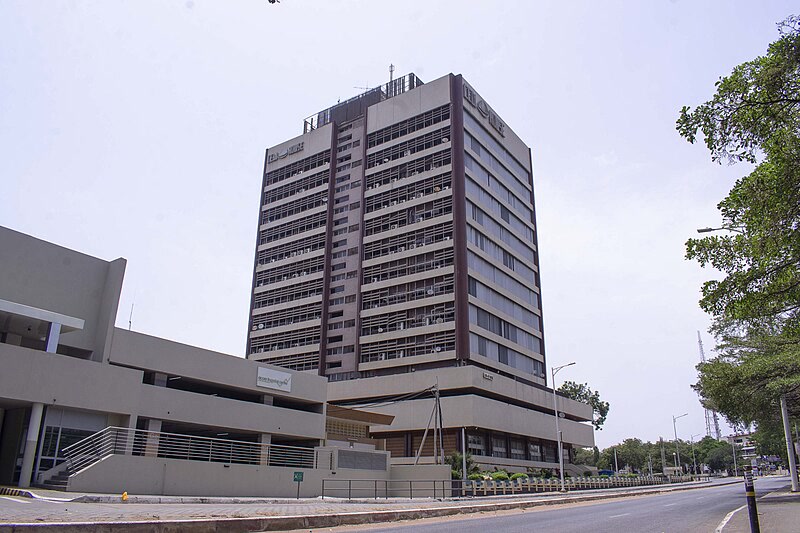
For the first time in decades, the Ghana cedi has recorded an annual appreciation against all major currencies, climbing 40.7 per cent against the US dollar, 30.9 per cent against the pound sterling and 24 per cent against the euro. The rally coincides with a 15-month run of declining inflation, which eased to 3.2 per cent in March 2026 from 3.3 per cent in February.
From 23.8% to 3.2% in 15 Months
Headline inflation has collapsed from 23.8 per cent at the end of 2024 to 3.2 per cent in March 2026, the lowest reading in over a decade. Bank of Ghana Governor Dr. Johnson Asiama credited “disciplined monetary management and targeted policy interventions,” pointing specifically to sterilisation measures that tightened cedi liquidity and the central bank’s refusal to monetise new deficits.
Public Debt Cut by GH¢82 Billion
The macro story goes beyond prices. Public debt fell by GH¢82.1 billion from 61.8 per cent to 45.3 per cent of GDP as the cedi’s appreciation reduced the local-currency cost of external obligations. That move alone saves the government hundreds of millions in projected interest payments for 2026 and 2027.
Not Yet Felt on the Shelf
There is a caveat. Lower inflation is not the same as lower prices — the Business and Financial Times noted in a recent editorial that households still pay roughly what they did at peak inflation, because prices rarely fall once they rise. The cedi’s appreciation is starting to pull down imported goods, but the pass-through is slow. Still, for a country that was in debt distress 18 months ago, the April 2026 picture is the most stable Ghana has looked since before the pandemic.




Leave a Reply