

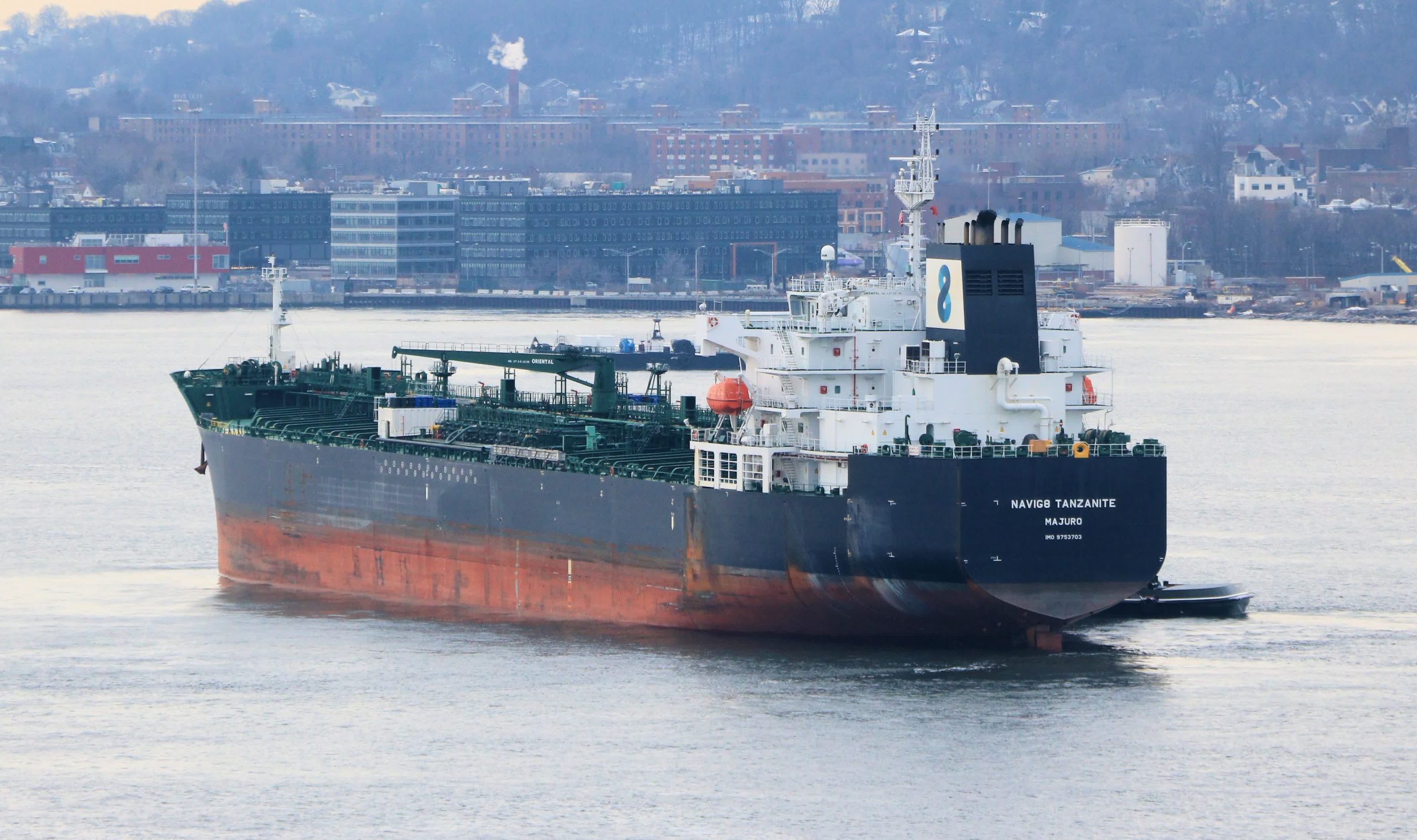
Brent crude has climbed to about $114 a barrel as the US naval blockade of Iran and Iran’s retaliatory closure of the Strait of Hormuz drag into a third month. The OECD now forecasts US inflation of 4.2% for 2026 — 1.2 percentage points above its prior projection — while the European Central Bank postponed planned rate cuts to absorb the energy shock.
The Blockade Timeline
- 28 February 2026: US-Israel air war against Iran begins; Iran starts limiting Hormuz traffic
- 4 March: Hormuz fully closed; Brent crosses $120/bbl
- 13 April: US imposes parallel blockade on Iranian ports — “dual blockade” established
- 17–18 April: Brief reopening attempt collapses; Iran re-closes the strait
- Early May: Brent settles around $114.44/bbl
Macro Impact
- OECD US inflation forecast: 4.2% for 2026 (vs ~3.0% before)
- ECB: postponed planned rate cuts on 19 March
- Eurozone: raised 2026 inflation forecast, cut GDP growth projection
- Economists warn energy-intensive economies face technical recession risk if blockade persists through summer refill season
How Iran Is Bypassing
- Reducing production + storing surplus crude on land
- Storage tank-tops creating an internal logistics bottleneck
- Shifting exports to Caspian + overland routes where possible
- Reuters tracking confirms reduced but non-zero export flow
Why It Matters For Africa + Ghana
- Ghana’s fuel-price autopricing already reflects imported pressure
- Brent at $114 sustained = renewed inflation risk for the cedi
- African net importers face FX strain on dollar-denominated fuel bills
- Watch the next Bank of Ghana MPC for any shift in posture
Follow Vibes Uncut Media for continuing oil + macro coverage.







Leave a Reply