
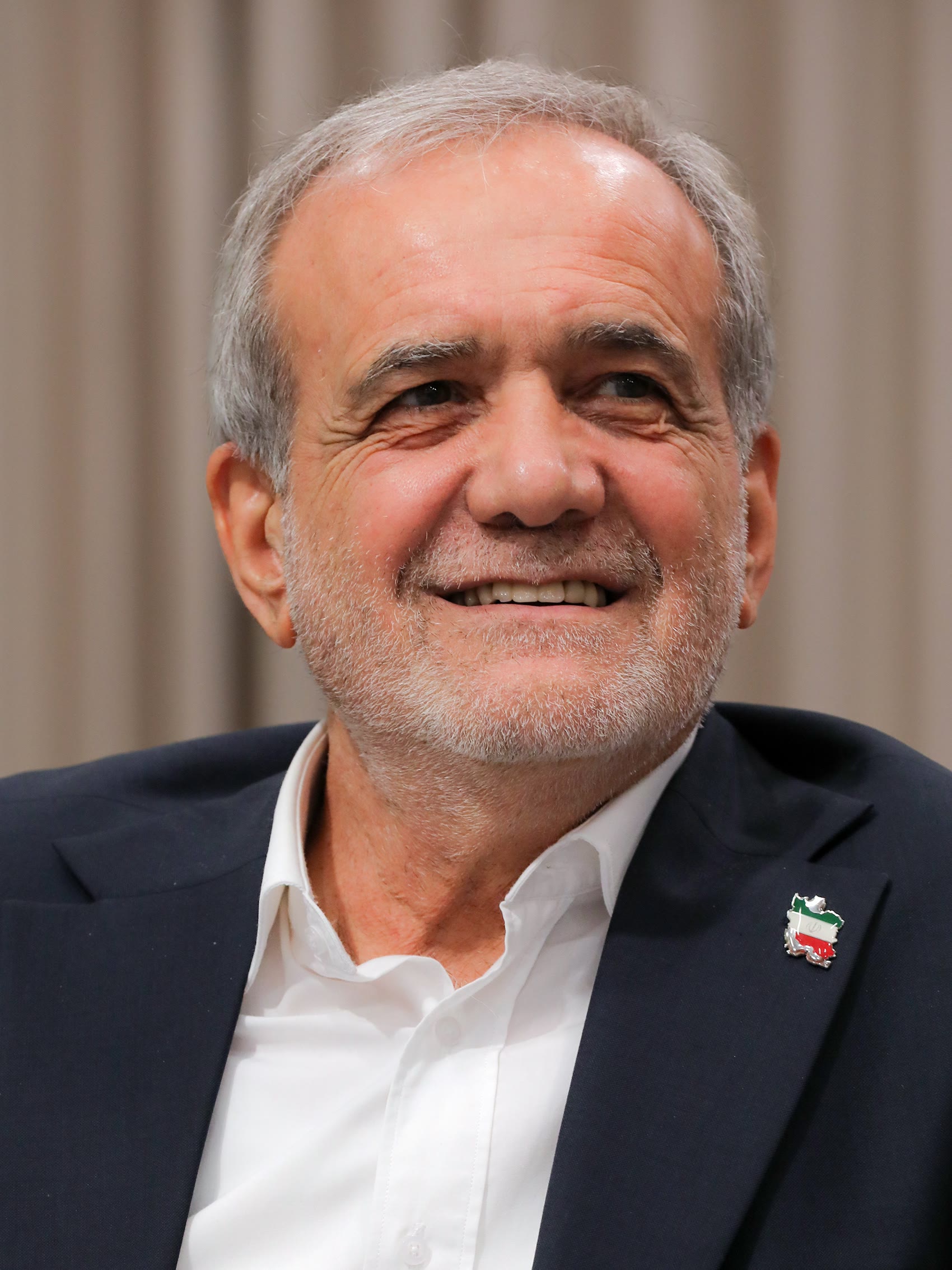
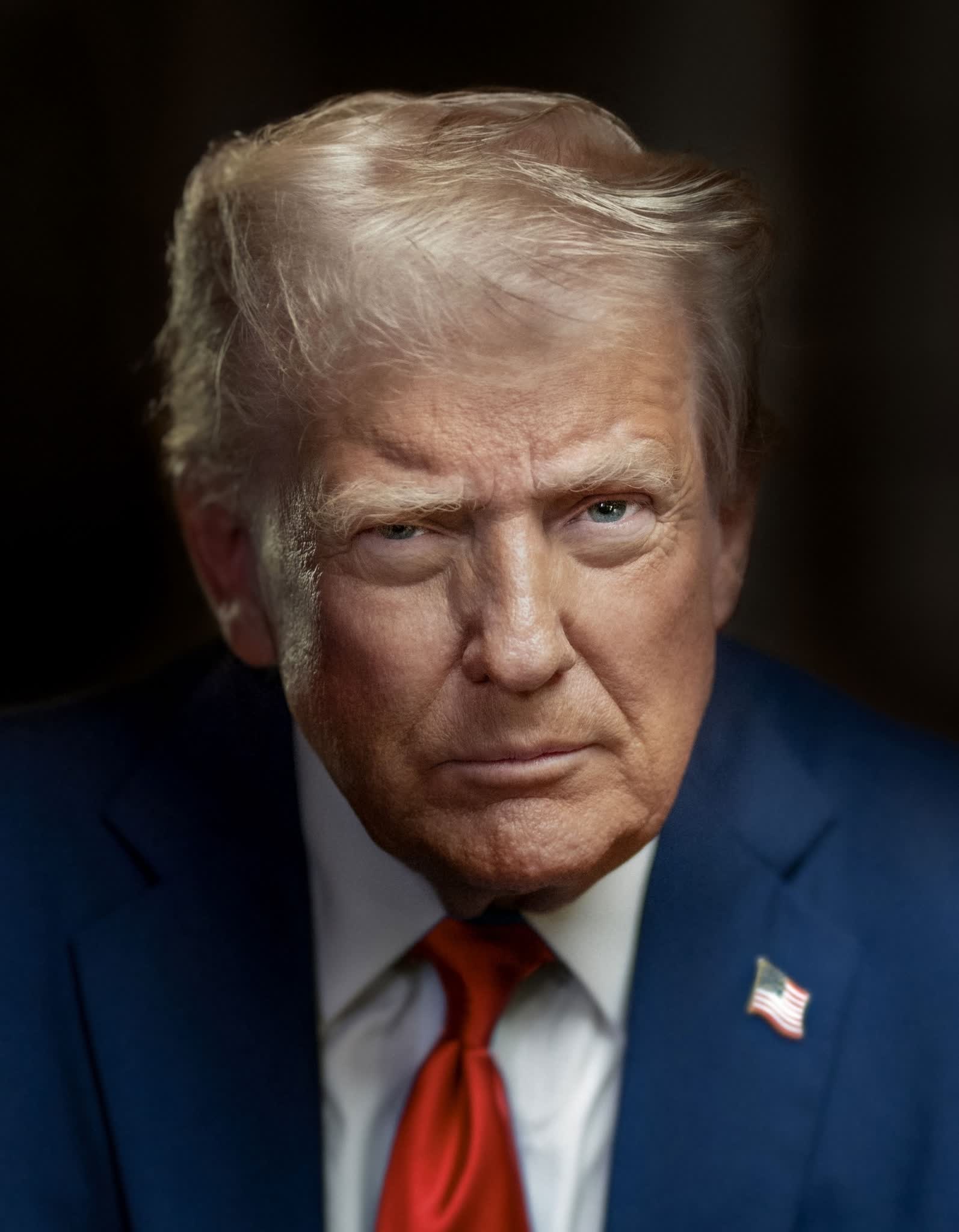
Iran has presented a 14-point response to the US proposal to end the war, according to Iranian state media. The counter-offer comes after President Donald Trump rejected Tehran’s earlier proposal as terms he “can’t agree to.” Both sides are now moving back toward formal negotiation despite an elevated risk premium across markets.
What’s In The 14 Points (Reported)
- Mutual recognition of Strait of Hormuz freedom of navigation
- Phased sanctions relief tied to verifiable nuclear-program transparency
- Commitments on regional proxy stand-down — Hezbollah, Houthis, Iraqi PMU
- Verification framework involving the IAEA and a third-party monitor
- Mutual non-aggression posture along the Gulf
- Prisoner exchanges
- Energy-export normalisation framework
- Cyber non-aggression provisions
- Asset-unfreeze sequencing
- Diplomatic-mission re-establishment
- Regional security architecture proposals
- Humanitarian access to affected populations
- Reconstruction financing mechanisms
- Long-term frameworks for resumption of trade
Why This Matters
- Iran’s earlier proposal was a single-point demand frame; the 14-point version is structurally different
- Demonstrates Tehran’s willingness to break the issue into negotiable components
- Gives Washington a clearer set of objects to accept, reject, or modify individually
- Signals that the Pezeshkian government wants a deal — and is prepared to bargain
Market Implications
- Brent crude likely to ease modestly on the negotiation signal
- But broader risk premium persists until concrete agreement reached
- Insurance + shipping rates through Hormuz unchanged in immediate term
- Long-stand-off scenario starts to soften incrementally
What Comes Next
Watch for: White House response (point-by-point or block rejection); EU and Gulf-state reactions; any Iranian parliamentary objections; and the next Trump–Pezeshkian indirect channel exchange.
Follow Vibes Uncut Media for continuing Middle East coverage.









Leave a Reply