
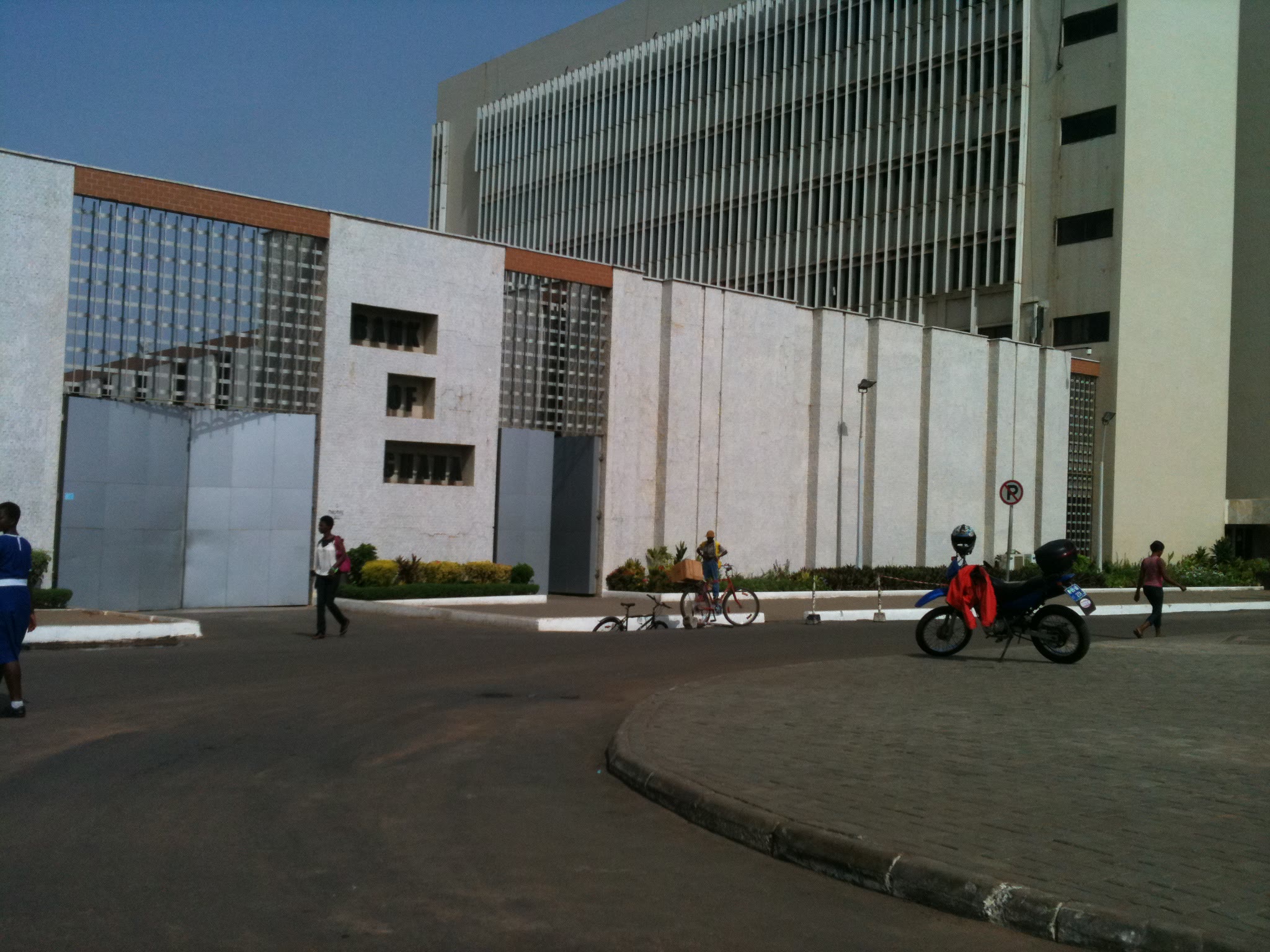
The Bank of Ghana (BoG) has posted a GH¢15.6 billion operational loss as the cost of monetary-policy interventions surged. The central bank’s books reflect the price of getting inflation back on a downward path — even as the BoG signals inflation is expected to return to the 8 ± 2 percent target band in 2026.
The Headline Numbers
- GH¢15.6 billion operational loss for the period
- Driven primarily by open-market operation costs: BoG sterilising cedi liquidity to defend the exchange rate and rein in inflation
- Inflation expected to return to 8 ± 2 percent in 2026 — back to the medium-term target band
- Cedi began May 2026 selling at GHS 12.15 on the forex market
What’s Driving The Loss
Central-bank operational losses are a feature of disinflation episodes — the textbook playbook is to issue interest-bearing instruments to absorb excess liquidity, paying high real rates to do so. Ghana has been running this playbook hard since 2023. The cumulative cost of that policy now shows in the BoG’s accounts.
Why It Matters
- The loss is a cash-flow signal, not a solvency signal — central banks routinely operate at a loss during disinflation
- But political optics: a multi-billion-cedi loss line item in election-cycle politics is a useful target for the opposition
- The TUC’s May Day pivot (“beyond stability”) drew on the same debate: is the macro stability worth the cost?
What Comes Next
BoG will publish a fuller financial statements review with the next Monetary Policy Committee report. Watch for: (a) treatment of the loss as recapitalisation pressure on the Treasury, (b) the policy-rate path implied by inflation returning to band, and (c) any commentary on operational structure of future interventions.
Follow Vibes Uncut Media for continuing Ghana macro coverage.






Leave a Reply