
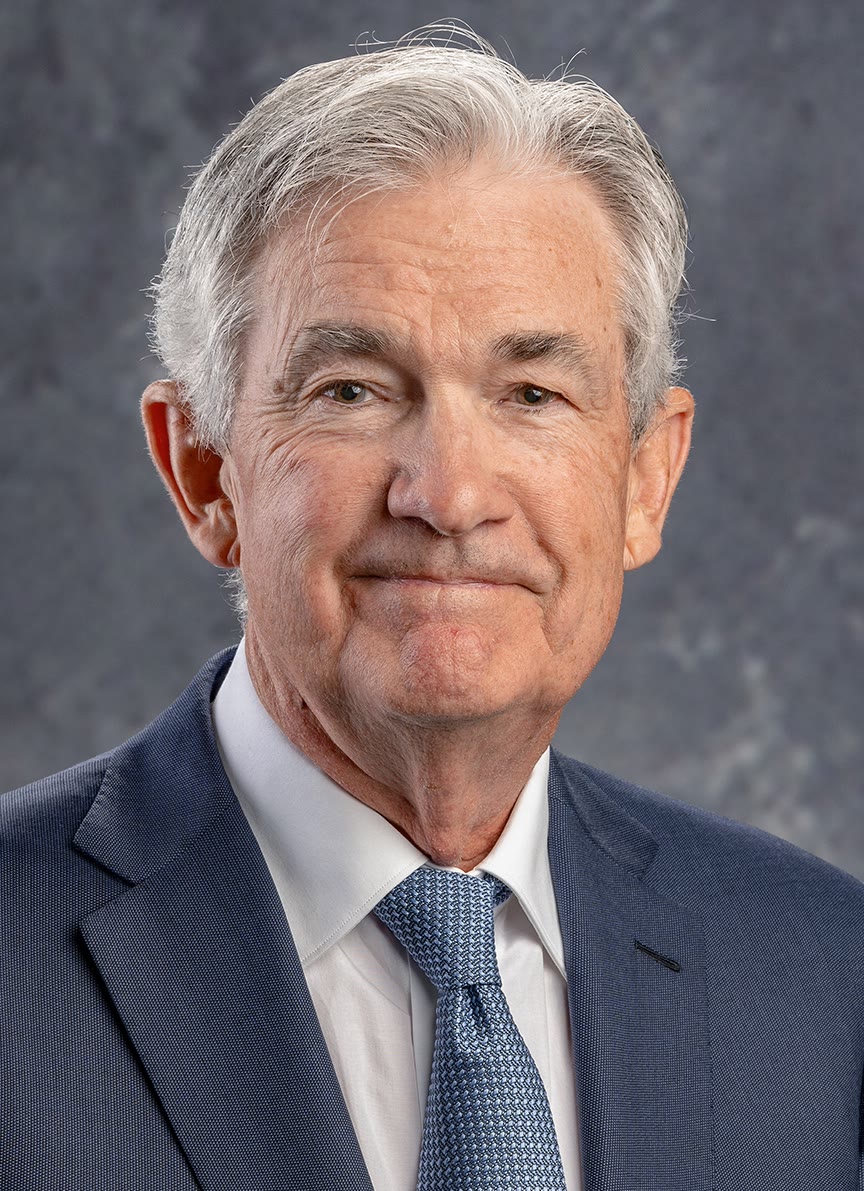
The Federal Reserve voted to hold its policy rate steady in the 3.5%–3.75% range, in a decision marked by an unusually large dissent: four FOMC officials voted against, the first time that has happened since 1992.
The Vote
- Decision: Hold at 3.50%–3.75%
- Vote split: 8 in favour, 4 dissents
- Significance: first 4-way dissent in 33 years
- Powell’s penultimate FOMC as Fed Chair — confirmation of successor Kevin Warsh expected before the May 15 transition
What The Dissenters Want
Multiple dissenters are believed to favour a cut, citing softening labour data and the recent oil-shock-driven slowdown in spending. Other dissenters are believed to want a hike, citing sticky core services inflation. The 4-way dissent is therefore not unidirectional — it reflects a Committee genuinely split on the shape of the next move.
Why It Matters
- A divided FOMC is a market-volatility input — the dot plot becomes the dominant signal
- The Powell-to-Warsh handover lands at the exact moment when the Committee’s coherence is most contested in three decades
- Long-end yields nudged higher on the news — credit spreads watching the next set of communications closely
What Comes Next
Warsh’s first FOMC will inherit this split Committee. His rules-based, anti-arbitrary-policy posture from his confirmation hearing now gets tested against the actual data. Markets read this dissent as a setup that gives the new chair political cover for a more decisive next move — in either direction.
Follow Vibes Uncut Media for continuing macro coverage.







Leave a Reply