
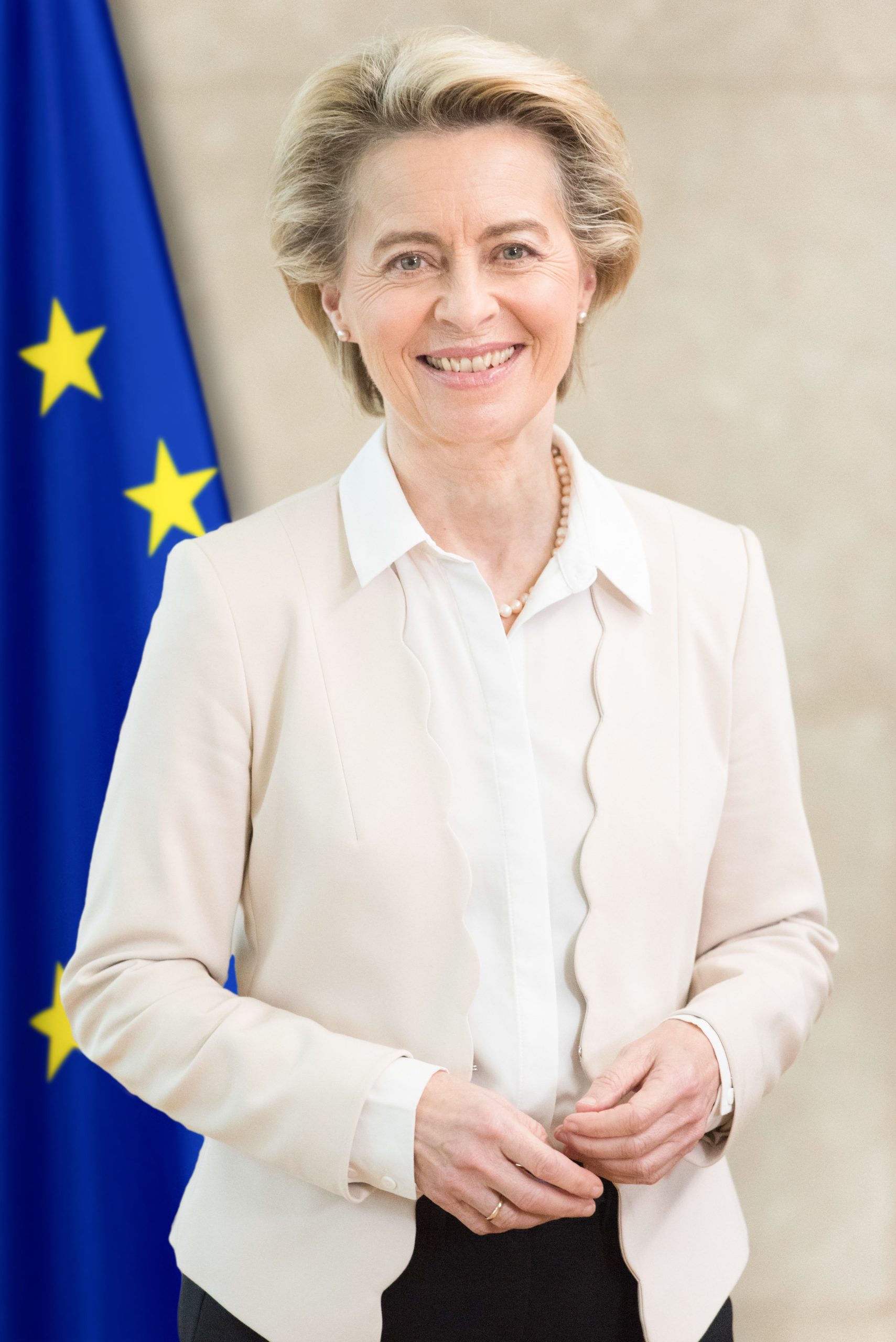
The European Union on Friday formally approved a €90 billion ($106 billion) loan package for Ukraine and adopted its 20th sanctions package against Russia, ending months of political deadlock inside the bloc.
Approval came after Hungary and Slovakia dropped their objections — a shift that followed the resumption of oil flows through the Druzhba pipeline, which had been at the heart of Budapest and Bratislava’s veto threats.
Frozen Russian Assets — and Belgium’s Veto
The 27-nation bloc had originally intended to use frozen Russian central bank assets as collateral. That option was blocked by Belgium, where the bulk of the roughly €210 billion in frozen assets are held. Instead, the money will be borrowed on capital markets backed by the EU budget. Ukraine is not expected to repay the loan from its own funds: the capital is only due once Russia begins paying war reparations.
20th Sanctions Package
- Asset freezes on around 60 additional entities, including companies, government agencies and banks.
- New measures targeting Russia’s energy revenues, financial sector, “shadow fleet” tankers and military-industrial supply chains.
- The cumulative EU sanctions list now exceeds 2,600 Russian officials and entities.
Reaction
Russia’s foreign ministry denounced the package within hours of its approval. Kyiv called the loan “a lifeline” that secures Ukrainian state finances through 2027 — and which, crucially, removes the immediate fiscal cliff Western capitals had been bracing for.
Why It Matters
The €90 billion package answers, for now, the question of how Ukraine pays its bills next year — and the size of the sanctions list signals Brussels is digging in for a long war rather than negotiating one. The pivot to bond-market financing also sets a precedent for future war-time EU borrowing without requiring frozen-asset collateral, with implications well beyond Ukraine.
Follow Vibes Uncut Media for continuing Ukraine and EU coverage.









Leave a Reply