
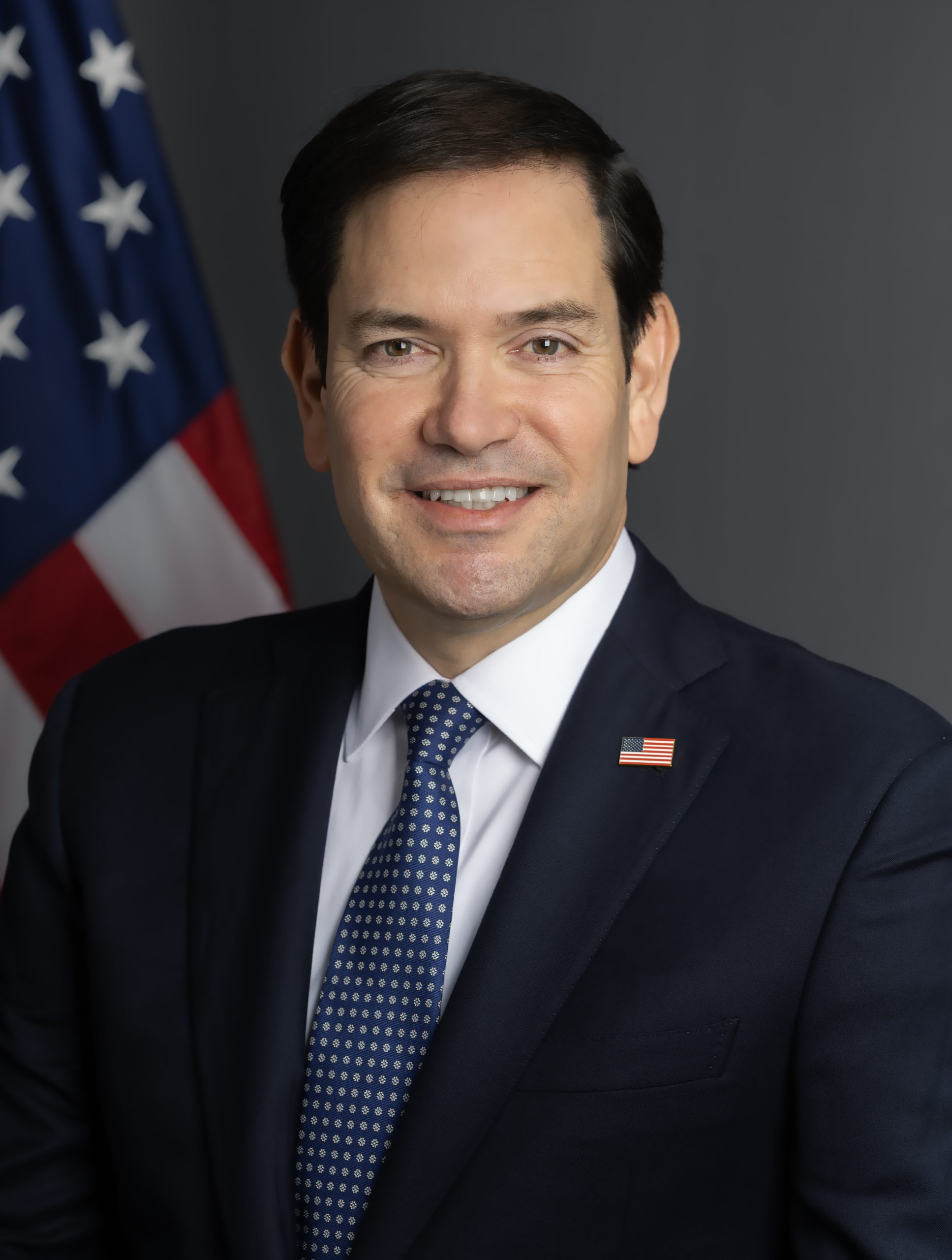
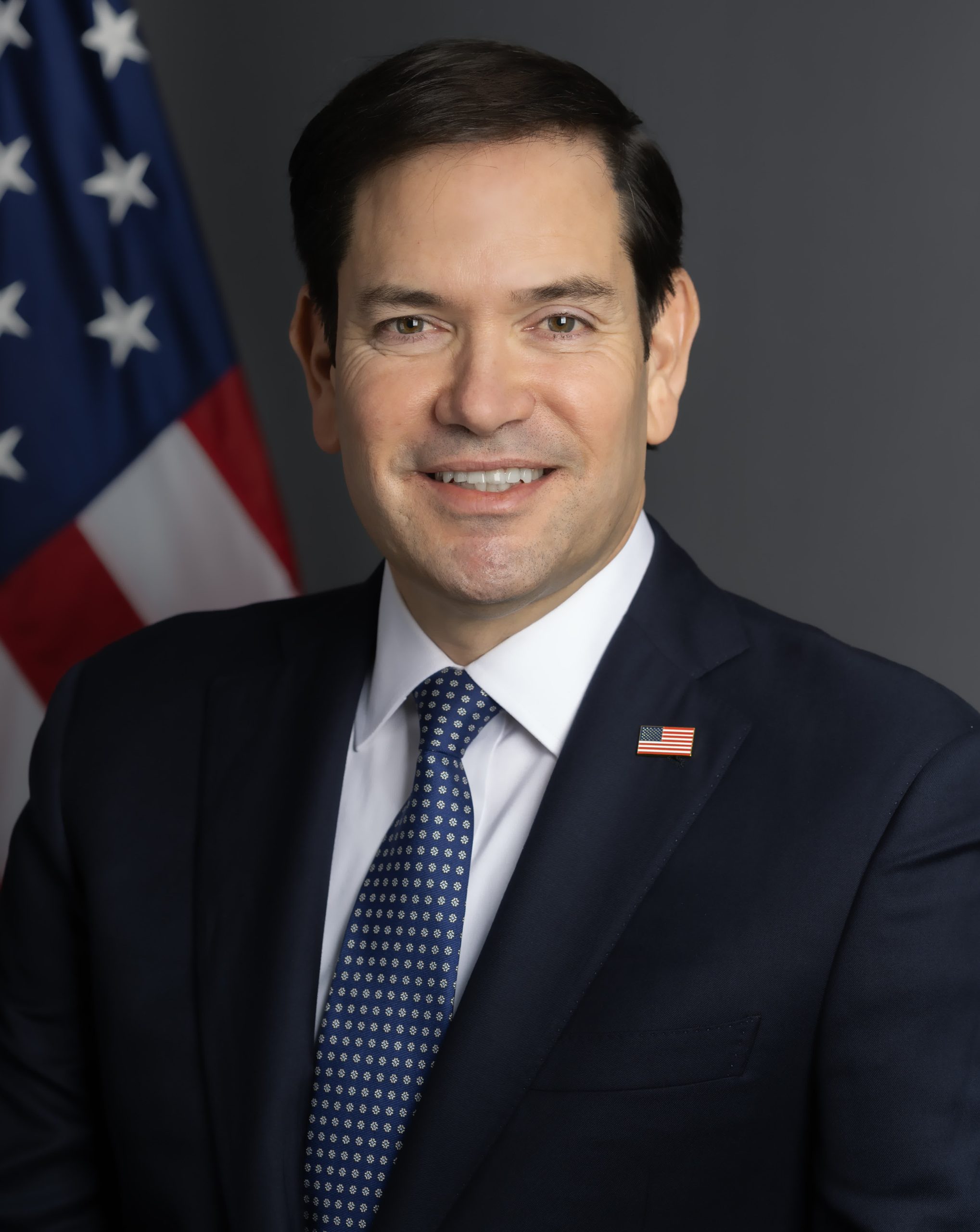
The Israeli and Lebanese ambassadors will sit at the same table in Washington this week for the first direct, high-level engagement between Israel and Lebanon since 1993 — a talks round hosted by US Secretary of State Marco Rubio at the State Department.
The meeting comes as the death toll from Israel’s continuing operations in Lebanon is approaching 2,100, according to the Lebanese Health Ministry, and as the wider Middle East watches for any sign that the 14-month war can be brought to a structured end.
The 33-Year Diplomatic Freeze
The two countries have had no direct diplomatic channel since the 1993 Washington Declaration talks that followed Operation Accountability. Subsequent engagement has flowed through UNIFIL, US envoys, or — occasionally — Qatari and French mediators. A direct ambassadorial meeting is, in diplomatic terms, unprecedented for this generation.
Agenda Items
According to three officials briefed on the talks, the agenda will cover:
- A verified, permanent ceasefire along the Blue Line
- Disarmament and withdrawal of non-state armed formations in southern Lebanon
- Israeli troop pullback from contested points captured during the ground campaign
- Lebanese sovereignty guarantees and a framework for reconstruction
- Prisoner and remains exchanges
- Reopening of civilian border checkpoints for humanitarian flows
Rubio’s Pitch
Rubio is framing the meeting as “the first serious step toward a Lebanon that can hold the line on its own territory” — language carefully pitched to reassure both governments that the US is not imposing a settlement but is brokering a durable framework. A readout is expected at the end of the second session.
What Could Derail It
The single largest risk is a breakdown of the separate US–Iran ceasefire due to expire this week. A collapse in that track would reset tensions across the region and likely scuttle the Lebanon thread. A secondary risk: Hezbollah’s political bloc is not at the table, and any framework that excludes it may not survive implementation on the ground.
What’s at Stake
For Lebanon, the talks are a chance to reopen reconstruction flows estimated at US$14 billion over five years. For Israel, the payoff is a verifiable buffer and a structured draw-down. For Washington, it is evidence that the administration’s Middle East strategy can deliver a diplomatic win in a region dominated by war and sanctions.
“Two years ago, a direct meeting was unthinkable. The fact that it is happening at all is the story — whatever the communiqué says,” a senior Gulf diplomat told reporters.
Source: State Department readout / Reuters / The Daily Star



Leave a Reply