
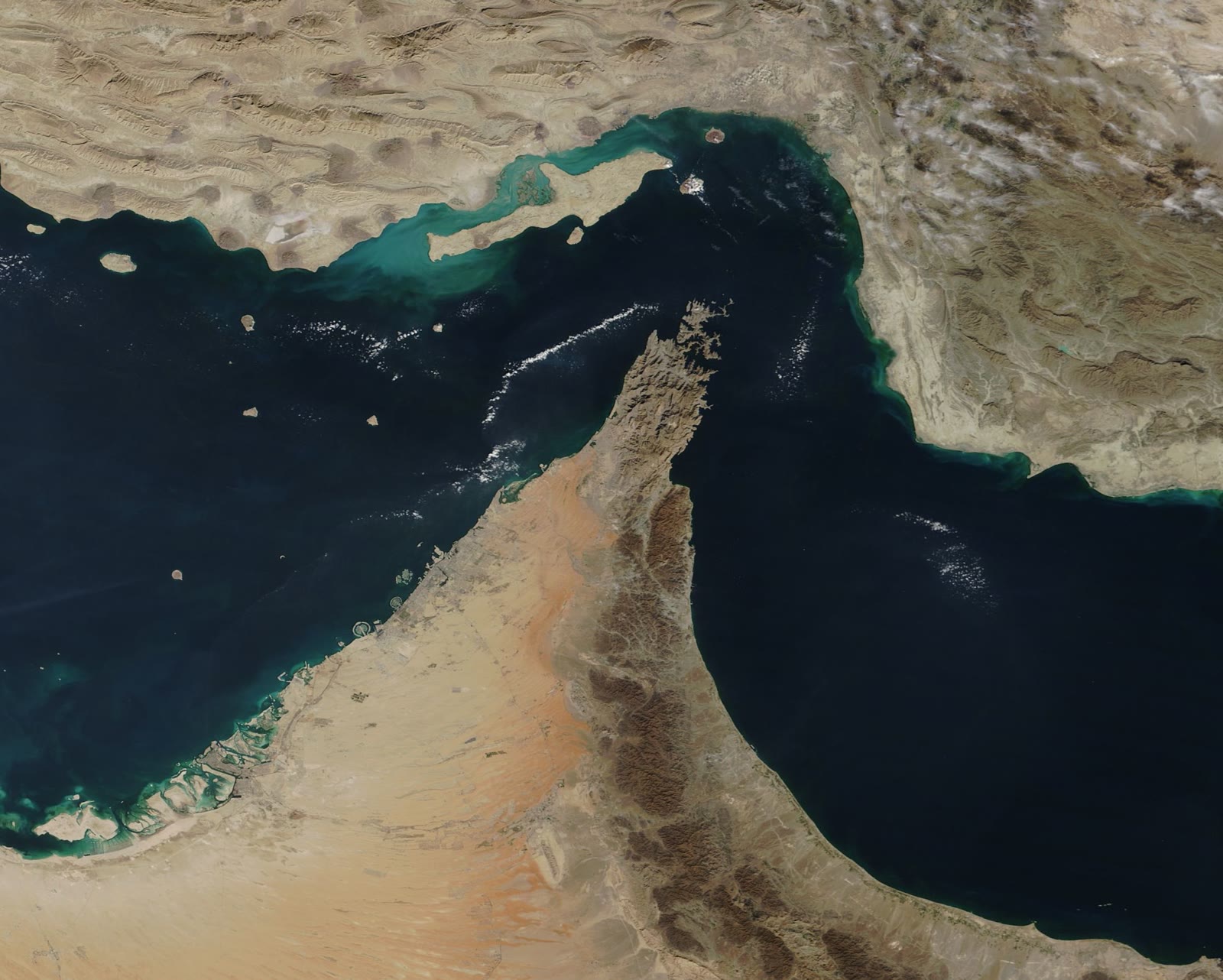
Iran has reversed course and re-closed the Strait of Hormuz, just 24 hours after declaring it open to commercial shipping — escalating the standoff with the United States with only three days remaining before the April 21 ceasefire deadline.
Iranian Foreign Minister Abbas Araghchi announced the reversal Saturday, saying Iran had “reinstated full operational control” of the Strait and would not reopen it until the United States completely lifts its naval blockade of Iranian ports. Iran’s IRGC Navy resumed inspecting and turning back westbound tankers within hours of the announcement.
Whiplash on the Markets
Friday’s brief opening had sent oil tumbling almost 10 percent on hopes of a peace breakthrough. Saturday’s reversal sent crude back above US$103 a barrel in early Sunday Asia trading. Gold rallied to a fresh record above US$4,850 per ounce as investors rushed back to safe havens.
The April 21 Cliff
The two-week Iran-US ceasefire — agreed under Omani mediation in early April after the initial Hormuz crisis — expires Tuesday. The Islamabad negotiating round collapsed on April 12 after 21 hours of marathon talks foundered on three irreconcilable issues:
- Iran’s uranium enrichment programme
- Iran’s funding for regional proxy groups, including Hezbollah
- Control of the Strait of Hormuz and the terms of inspection
Trump’s Position
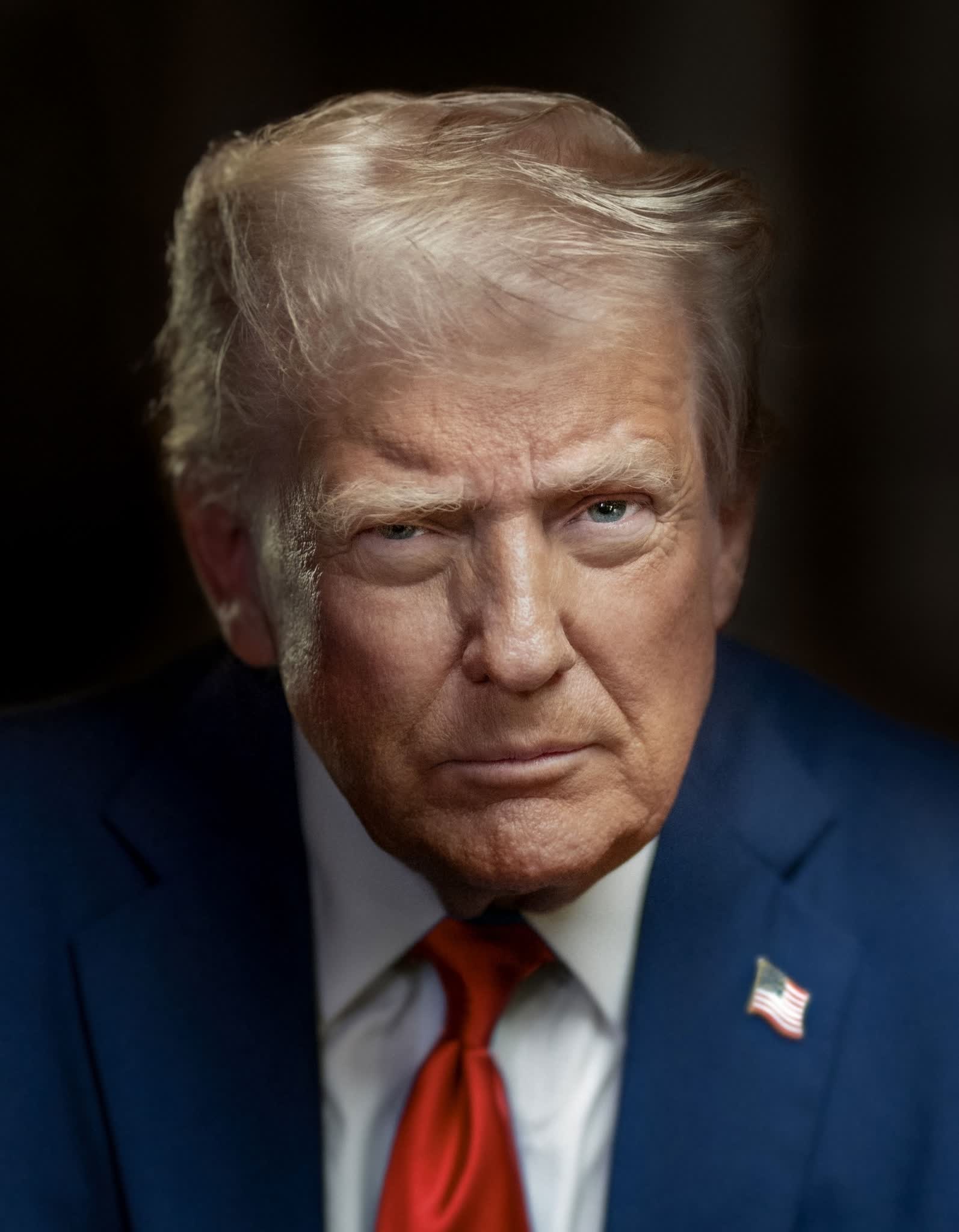
President Trump, speaking at Mar-a-Lago Saturday evening, said the United States blockade “remains in full force” and accused Iran of negotiating in bad faith. “If they want peace, they have a path,” Trump said. “If they want war, they should know what is on the table.”
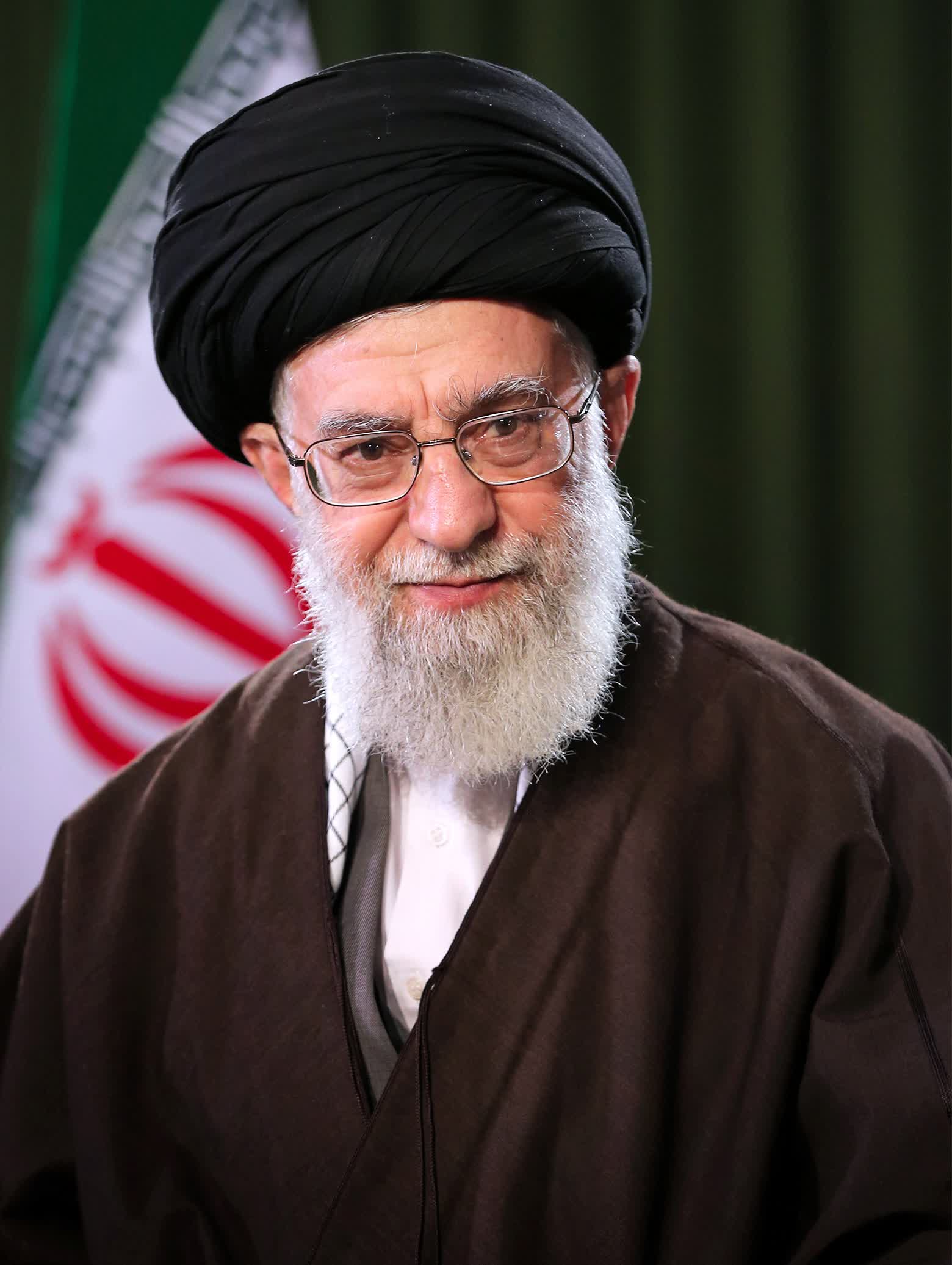
The Pentagon confirmed that two additional US carrier strike groups — the USS Carl Vinson and the USS Theodore Roosevelt — had moved to within strike range over the weekend. Iran’s Supreme Leader has not yet made a public statement.
Mediator Push
Oman, Pakistan, Egypt, Turkey, and Switzerland are racing to broker an emergency face-to-face meeting before Tuesday’s deadline. African oil-importing nations — particularly Ghana, Senegal, and Kenya — are urging restraint as fuel prices threaten to undo recent inflation gains across the continent.
Source: Reuters / NPR / NBC News








Leave a Reply