
The ceasefire between the United States and Iran — announced on April 7 following weeks of intense US-Israeli airstrikes — expires on April 21, four days from now. With no new deal in place and mediating nations scrambling to arrange a second round of talks, the risk of war resuming is real and rising.
Where talks stand
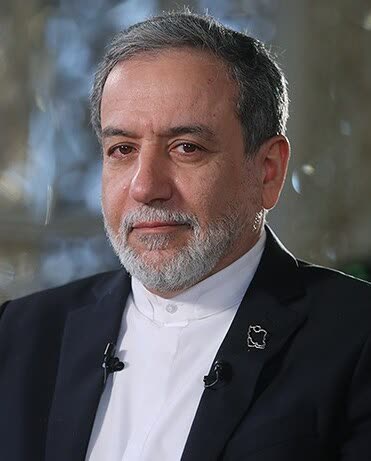
The first direct US-Iran negotiating session, held in Islamabad on April 11-12, ended without agreement after 21 hours. US Vice President JD Vance, envoy Steve Witkoff, and Jared Kushner faced Iranian Foreign Minister Abbas Araghchi and Parliamentary Speaker Mohammad Bagher Ghalibaf across the table — but the two sides could not bridge their core differences.
The main sticking point: uranium enrichment. The US demands Iran freeze enrichment for 20 years and surrender its stockpile of highly enriched uranium. Iran has offered a 3-to-5-year suspension. Trump has publicly said that offer is not acceptable. A secondary disagreement concerns how much of Iran’s frozen financial assets — held in third-party jurisdictions — the US is willing to release in exchange for nuclear concessions.
The mediators
Pakistani, Egyptian, and Turkish diplomatic teams are working to close the gap before April 21. NBC News and Axios reported on April 15 that a second round of direct talks could take place as soon as this week. Sources close to the negotiations described the atmosphere as “tense but not hopeless.”
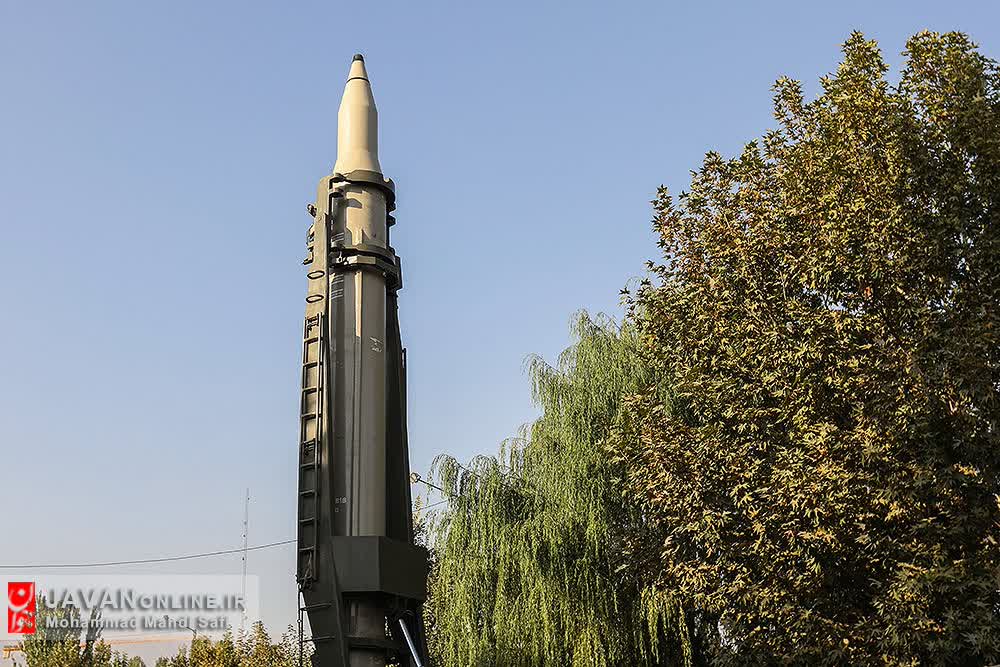
The mediators are pushing for either a deal or a ceasefire extension before the deadline. The alternative — the ceasefire lapsing — would almost certainly trigger a resumption of US and Israeli strikes on Iranian military targets and a likely Iranian blockade of the Strait of Hormuz, which Brent crude markets are already pricing in.
What resumption would mean
The current ceasefire has kept oil at roughly $95-100 a barrel. A breakdown and renewed strikes could push Brent past $110, tighten global fuel markets further, and accelerate inflation in energy-importing economies — including most of sub-Saharan Africa. The next 96 hours are the most consequential in the region since the original outbreak of the Iran war in February 2026.







Leave a Reply