

Benin has elected a new president in a landslide. Romuald Wadagni, a Harvard-trained economist and former Deloitte executive, won 94 percent of the vote — succeeding term-limited President Patrice Talon, who has governed Benin since 2016. The election has been hailed as a model of democratic stability in West Africa.
Who is Romuald Wadagni
Wadagni, 47, served as Finance Minister under Talon for the entirety of the outgoing administration — a tenure during which Benin’s GDP growth averaged over 6 percent annually, the country achieved its first-ever Eurobond issuance, and a major infrastructure and digital transformation programme was delivered largely on schedule. Before government, Wadagni was a senior partner at Deloitte West Africa and holds a graduate degree from Harvard Kennedy School. He is regarded within the regional economic policy community as one of the most technically capable finance ministers on the continent.
The election
Wadagni ran as the candidate of Talon’s alliance, Bloc Républicain. With an opposition landscape that remains fragmented — and some opposition figures still legally barred from participation following the post-2019 political consolidation — the 94 percent figure reflects both genuine popularity and a constrained competitive environment. Turnout was reported at 52 percent. International observers described the voting process as orderly.
What it signals for West Africa
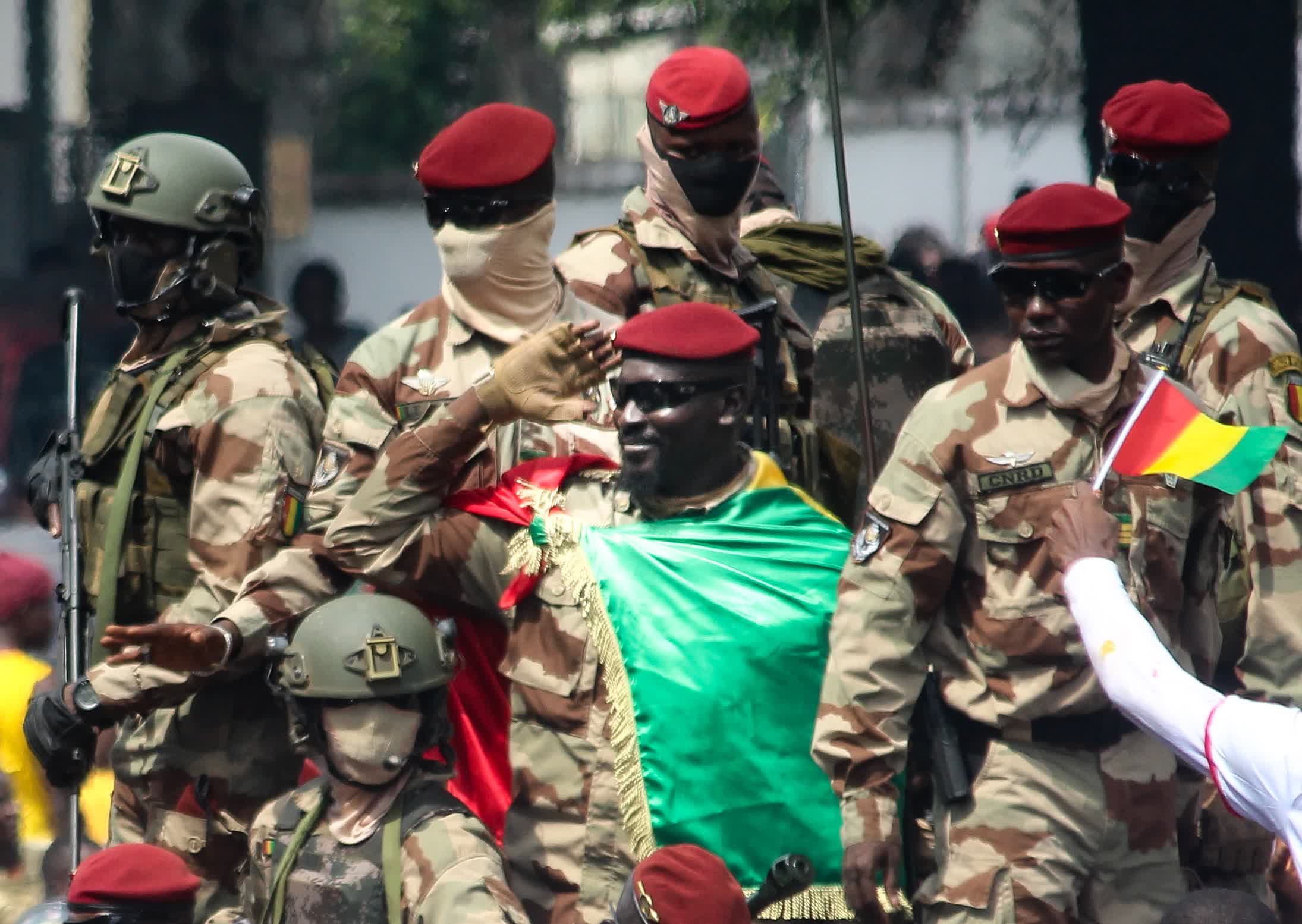
The peaceful civilian-to-civilian transition in Benin stands in notable contrast to the military coups in Burkina Faso, Niger, and Mali. For the Economic Community of West African States (ECOWAS), a functioning Benin provides a counterpoint to the narrative that democratic institutions in the sub-region are in irreversible decline. Wadagni has signalled he intends to deepen Benin’s integration with the ECOWAS single market and expand the country’s digital and logistics infrastructure, which has made Cotonou an increasingly important transit hub for landlocked Sahel neighbours.
The economic agenda
Wadagni’s stated priorities are agricultural value-chain development, an expansion of Benin’s growing special economic zones, and a push to develop domestic capital markets. He has also signalled continuity on the IMAF (International Monetary and Financial) reform agenda that Benin committed to under Talon. The first 100-day test is how he manages the relationship with the military-led governments in Burkina Faso and Niger, which have cut ECOWAS ties and represent both a security risk and a trade dependency for Benin.






Leave a Reply