
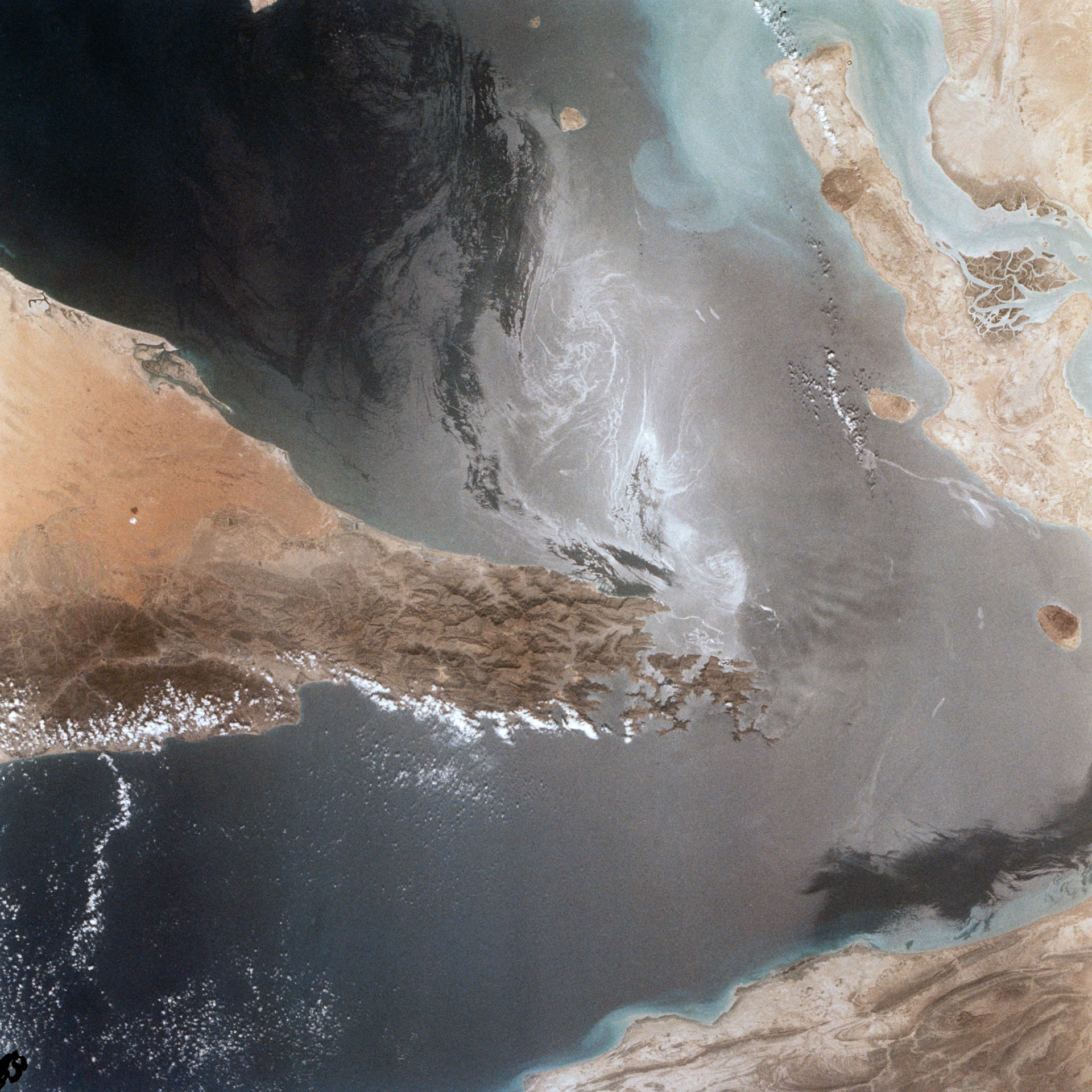
Three days of US-Iran face-to-face negotiations in Islamabad ended without agreement on Sunday night, and on Monday morning the US Central Command formally began enforcing President Donald Trump’s naval blockade of the Strait of Hormuz. Oil markets have already moved — Brent crude pushed toward $100 in early trading as the shipping chokepoint that carries 20 percent of the world’s seaborne crude entered its second declared closure in seven weeks.
What happened in Islamabad
US Vice President JD Vance led the American delegation through what officials described as 21 hours of direct talks with Iranian Foreign Minister Abbas Araghchi. The stated objective was a mutually acceptable ceasefire to end the US-Israel air campaign that began 28 February and an Iranian undertaking to reopen the strait. The talks collapsed late Sunday, Vance told reporters, because the two sides “could not agree on the sequence of de-escalation” — diplomatic language for the deepest disagreement in the negotiations: who stops fighting first.
The blockade
US Central Command confirmed the blockade took effect at 10 a.m. EDT Monday. “Enforcement will apply impartially against vessels of all nations” until the strait is reopened to commercial traffic, the command said in a terse statement. That phrasing is deliberate — it signals to allies in the Gulf that US forces are prepared to stop tankers bound for China, South Korea, and Japan, the strait’s three largest commercial users, as well as any Iranian traffic.
The economic shock
Brent crude has risen roughly 40 percent since the war began in late February. Oil is now close to $100 for the first time since June 2022. For African nations that import refined petroleum — including Ghana, Kenya, and most of West Africa — the pass-through to pump prices, transport costs, and food prices is mechanical and fast. The World Bank has already warned that the shock will add 1 to 2 percentage points to inflation across sub-Saharan Africa this year if the blockade persists beyond the second quarter.
What happens next
Pakistani mediators who hosted the talks say a second round is “not off the table” but will require a de-escalation pause neither side has yet offered. Brent above $100, US warships in the strait, and no diplomatic framework in sight: the worst energy shock since the 1970s just entered its ninth week.


Leave a Reply