
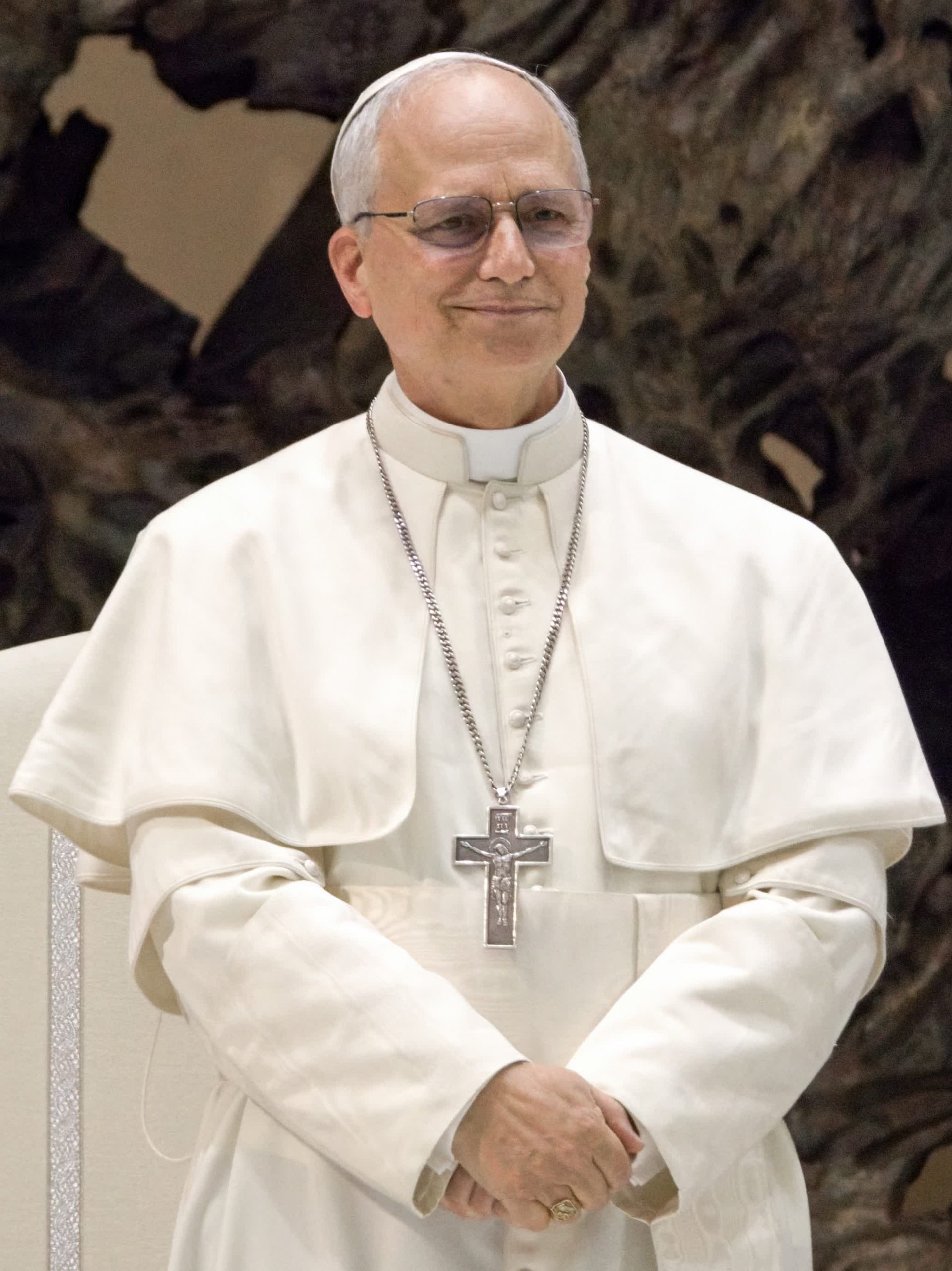
Pope Leo XIV departed Rome today for a four-nation, 11-day apostolic journey to Algeria, Cameroon, Angola, and Equatorial Guinea — the longest trip of his pontificate and the most ambitious papal tour of Africa in decades.
The itinerary
Leo will traverse 11 cities, take 18 flights, and cover more than 11,000 miles. The trip opens in Algiers — making him the first pope in history to make an apostolic visit to Algeria — before moving through Cameroon, Angola, and Equatorial Guinea.
The scale is staggering: 600,000 people are expected at the papal Mass in Douala, Cameroon, and 200,000 in Luanda, Angola. The Vatican has deployed its largest advance security and logistics team for a single trip.
Why Algeria matters
Leo’s visit to Algeria’s Great Mosque of Algiers — one of the world’s largest — is a deliberate gesture aimed at reinforcing Christian-Muslim dialogue. The visit carries personal resonance for the Pope, who called himself a “son of Augustine” on the day of his election last May, referencing the Algerian-born church father. In a region where interfaith tensions simmer beneath diplomatic courtesy, the mosque visit is intended as a signal that coexistence is not optional but foundational.
Cameroon: a peace meeting in a war zone
One of the most closely watched events will be a “peace meeting” Leo will lead on 16 April in Bamenda, in Cameroon’s conflict-torn northwest. The gathering will feature testimony from a Mankon traditional chief, a Presbyterian moderator, an imam, and a Catholic nun — a cross-community line-up designed to model the reconciliation the region desperately needs.
The continent’s Catholic future
Africa is the fastest-growing Catholic continent on Earth. By 2050, one in four Catholics worldwide will be African. Leo’s trip is an acknowledgement that the Church’s centre of gravity has shifted — and that the Vatican’s future depends on whether it can speak to the aspirations, not just the suffering, of a continent that has heard enough condescension from Rome.




Leave a Reply