
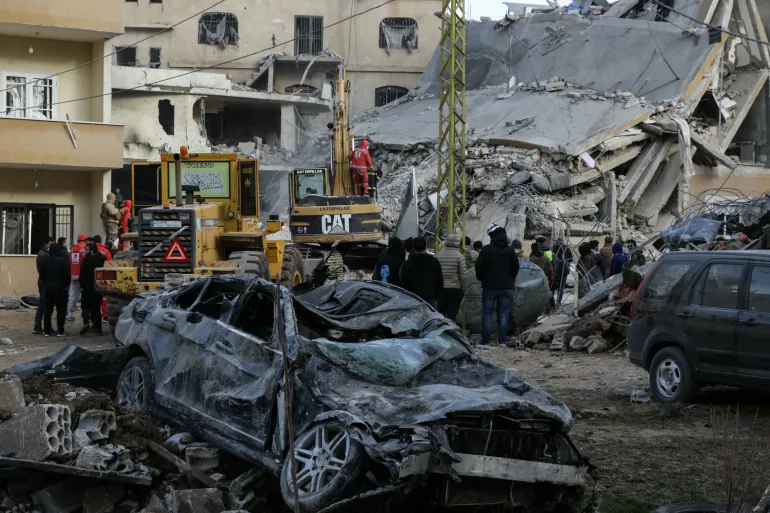
At least 1,888 people have been killed and another 6,092 injured in Israeli strikes across Lebanon since March 2, according to Lebanon’s Ministry of Public Health. The official toll — updated Friday evening — makes the current round of fighting the deadliest since the 2006 war and exceeds the combined casualties of the 2023 and 2024 exchanges.
A Ceasefire That Isn’t
The figures land in the same news cycle as the start of Islamabad ceasefire talks, underlining how little the on-the-ground reality has changed despite diplomatic movement. Israeli strikes on Friday hit Hezbollah positions in the southern suburbs of Beirut, Nabatieh and the Bekaa Valley. Hezbollah responded with rocket fire across the border, triggering air-raid sirens in Kiryat Shmona and Haifa.
The Human Cost
The UN refugee agency estimates that more than 1.2 million Lebanese have been displaced, many sheltering in schools and public buildings across Beirut. Hospitals in the south are operating at capacity with rolling blackouts. The World Food Programme has declared parts of south Lebanon a food emergency zone for the first time since the 2006 conflict.
The Coverage Gap
Despite the scale of the death toll, international coverage has been a fraction of what similar numbers generated during the 2023-24 Gaza war. Lebanese civil society groups and press freedom organisations have flagged the imbalance, arguing that Western outlets have normalised the violence in ways that make a political off-ramp harder to negotiate. The 1,888 figure is likely to rise before Sunday’s Islamabad talks conclude.

Leave a Reply