
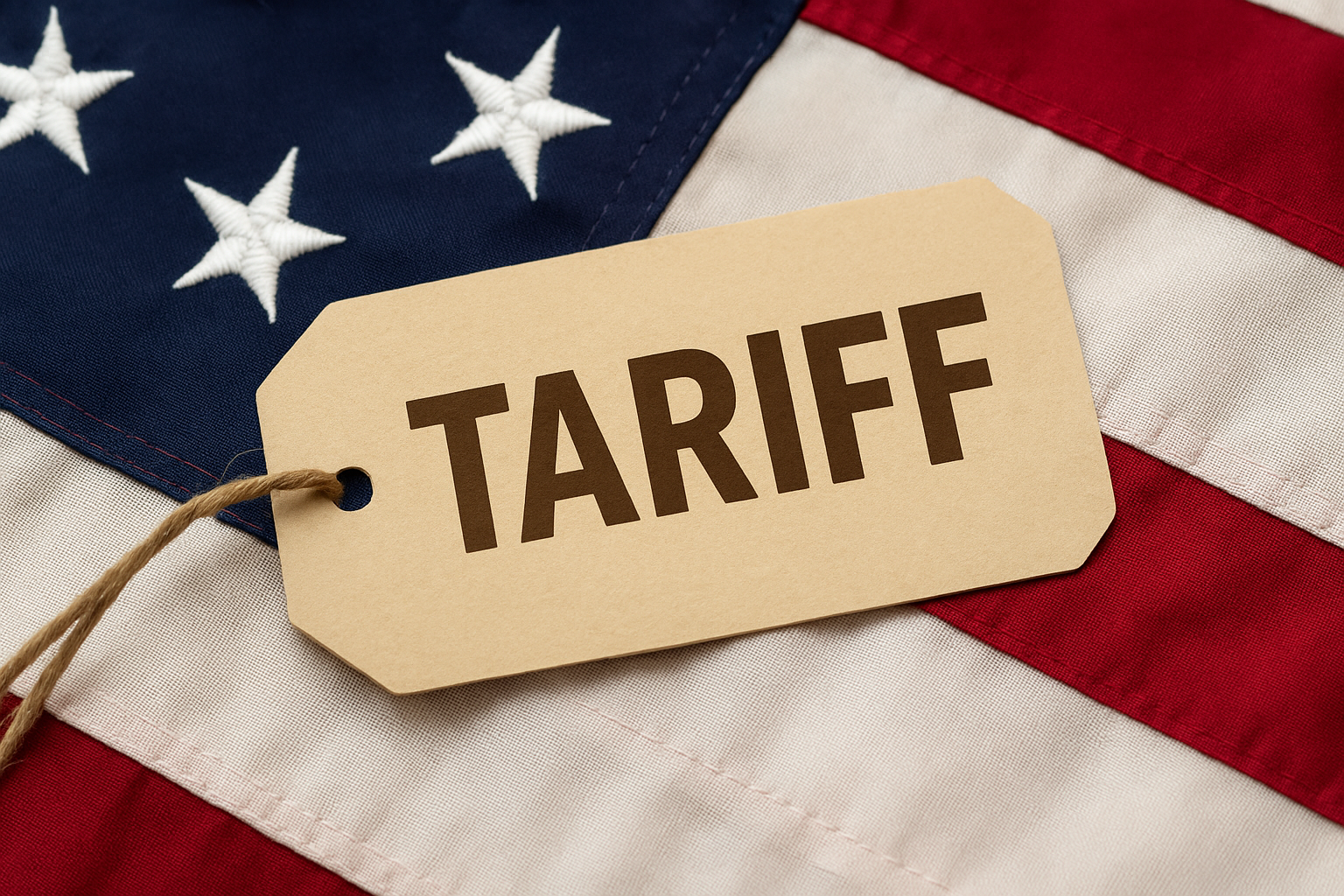
The University of Michigan’s preliminary April reading of consumer sentiment came in at 47.6, the lowest figure in the survey’s history and a sharp drop from March’s 55.2. The reading is below the worst months of the 2008 financial crisis, below the pandemic lows of 2020 and below the 1980 stagflation bottom.
Everyone Is Worse Off, Everywhere
What makes the April number historically unusual is the uniformity of the decline. Consumers across every age group, income tier and political party registered setbacks, with no subgroup showing month-over-month improvement. Independents fell 10.4 points, Republicans fell 8.9, and Democrats fell 6.7. Households earning over $150,000 a year showed the steepest drop in absolute terms — a first since the index began.
What’s Driving It
Three factors dominate the open-text responses: tariffs, the Iran war and food prices. Consumers specifically cited the new China and Mexico tariffs rolled out in February, the oil price volatility from the Strait of Hormuz closure, and grocery prices that have not eased despite falling headline inflation. Expectations for personal finances 12 months out fell to 52.6 — the lowest figure since the survey began tracking that subcomponent in 1978.
Fed and Market Reaction
Bond markets moved on the release. The 10-year Treasury yield fell seven basis points as traders repriced the odds of a May rate cut. Fed Chair Jerome Powell has repeatedly said the Fed looks through sentiment readings to focus on hard data, but three FOMC members — including the vice-chair — publicly flagged the April number as “concerning” in speeches Friday afternoon. Stocks closed mixed, with the S&P 500 down 0.4 per cent.











Leave a Reply