
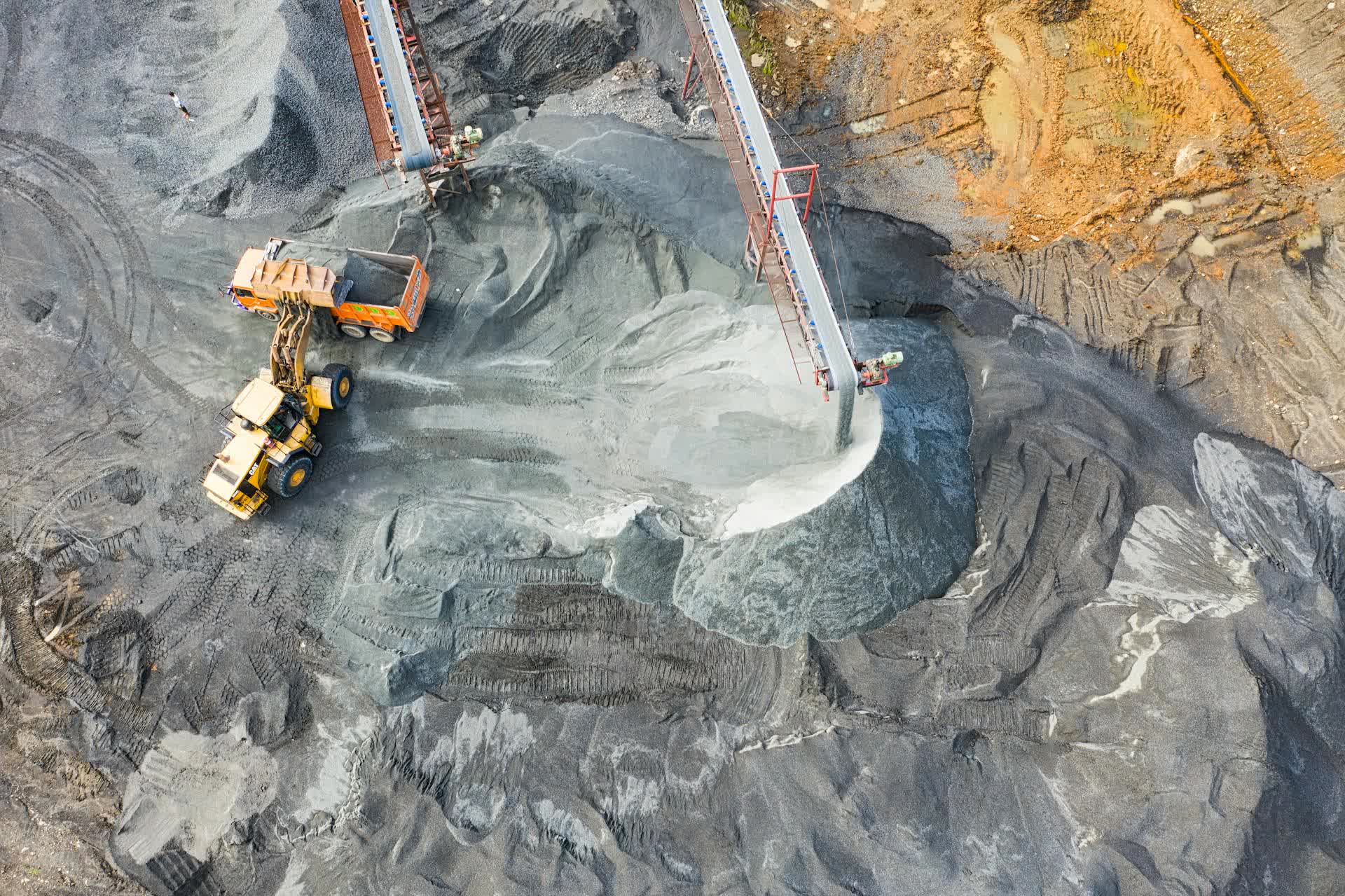
The electric vehicle revolution runs on minerals that sit beneath African soil. The Democratic Republic of Congo holds 70 percent of the world’s cobalt reserves and supplies 70 percent of global production. Zimbabwe, Namibia, Mali, and the DRC together hold 4.9 million tons of lithium reserves. South Africa dominates global manganese. Tanzania leads in graphite.
These are the minerals that power every EV battery, every smartphone, and every grid-scale energy storage system on Earth. And the scramble to control them has become the defining geopolitical contest of the decade — fought between Washington and Beijing, with African communities caught in the middle.
China’s 15-Year Head Start
China didn’t stumble into dominance. It built it. Over the past 15 years, Chinese state-owned enterprises and policy banks have systematically locked up mining rights across the continent through the Belt and Road Initiative and bilateral deals.
The numbers are stark. Chinese firms have invested $4.5 billion in lithium projects across Zimbabwe, the DRC, Mali, and Namibia. Chinese state-owned enterprises control 80 percent of the DRC’s total cobalt output. CMOC’s Tenke Fungurume mine — one of the world’s largest cobalt-copper operations — is Chinese-owned. Zimbabwe’s lithium sector, which tripled output between 2021 and 2025, is overwhelmingly backed by Chinese capital.
China doesn’t just mine the minerals. It processes them. More than 70 percent of the world’s cobalt refining happens in China, meaning even minerals extracted by non-Chinese companies end up in Chinese supply chains before reaching battery factories.
The Western Scramble
The United States and European Union are playing catch-up — and they know it. Washington launched the Minerals Security Partnership and the Development Finance Corporation (DFC) has invested over $200 million in African mining projects. The EU passed the Critical Raw Materials Act to diversify supply chains away from China.
But $200 million against $4.5 billion is not a competition. It’s a gesture. The US is offering infrastructure development and responsible sourcing frameworks while China is writing cheques. For cash-strapped African governments choosing between a road built next year and a sustainability report published in three years, the decision isn’t complicated.
Who Pays the Price
While superpowers negotiate access, the human cost accumulates at ground level. An estimated 100,000 artisanal cobalt miners in the DRC work with hand tools, digging hundreds of feet underground with minimal safety equipment and no oversight. Workers — including children — are exposed daily to toxic cobalt dust linked to respiratory disease, neurological damage, thyroid disorders, and birth defects.
Communities around large-scale mines face displacement, water contamination, and the destruction of agricultural land. The wealth generated by their soil flows to Beijing, to battery factories in Guangdong, to EV showrooms in California — and almost none of it returns.
The Value Chain Trap
Africa’s fundamental problem isn’t that it lacks minerals. It’s that it exports raw ore and imports finished products. The DRC ships cobalt concentrate to China, which refines it into battery-grade material, which goes to South Korean or Japanese cell manufacturers, which sell to Tesla, BMW, and BYD.
At each step, value is added — and captured by someone who isn’t African. Zimbabwe attempted to break this cycle by banning raw lithium exports, forcing miners to process ore domestically. The policy is bold but limited: Zimbabwe lacks the refining infrastructure and electricity supply to become a battery manufacturing hub overnight.
The DRC has expressed ambitions to build its own processing capacity, but years of political instability, inadequate power infrastructure, and the sheer scale of Chinese entrenchment make that goal aspirational rather than imminent.
A Colonial Echo
Historians and economists have drawn a direct line between today’s mineral extraction and the colonial model that preceded it. The structure is identical: African land provides the raw material, foreign capital and technology extract it, value is captured abroad, and local populations bear the environmental and social costs.
The only difference is the product. In the 19th century, it was rubber, copper, and diamonds. Today, it’s cobalt, lithium, and manganese. The justification has changed too — from “civilisation” to “the green transition” — but the flow of wealth hasn’t.
The minerals that are supposed to power a cleaner, fairer future are being extracted through the exact model that everyone agreed was finished. The new cold war is here. It’s being fought underground, in the dark, with the smallest hands.









Leave a Reply