
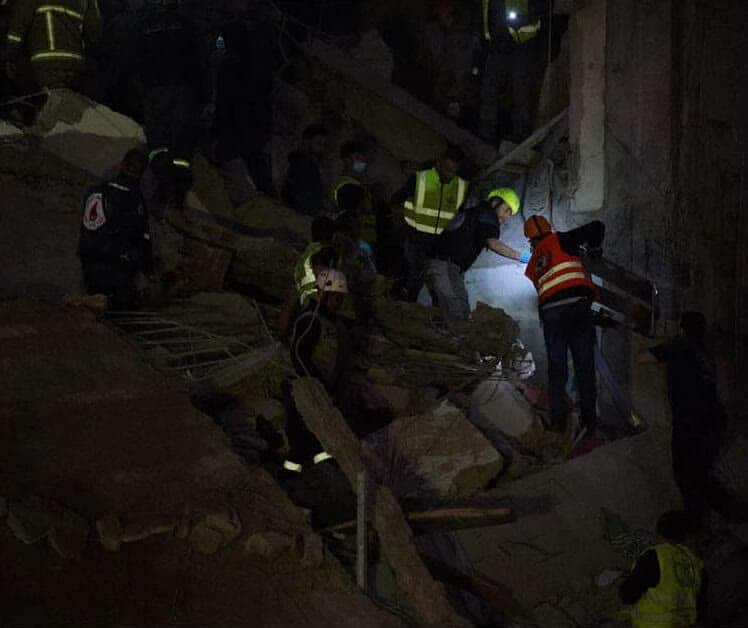
On the very day the United States and Iran announced a ceasefire to halt their military confrontation, Israel launched what it called Operation Eternal Darkness — its largest and most lethal wave of airstrikes on Lebanon since the war began. The strikes killed 303 people and injured 1,165 within hours, plunging the fragile ceasefire into immediate crisis.
The Strikes: Scale and Scope
The Israeli military deployed 50 fighter jets to strike more than 100 Hezbollah command centers and military sites across Lebanon in a ten-minute window — without warning. Targets included central Beirut, Sidon, the Beqaa Valley, Tyre, and Adloun. Lebanese media broadcast scenes of charred vehicles and bodies at some of Beirut’s busiest intersections, prompting immediate international condemnation.
Ceasefire Dispute: Does It Cover Lebanon?
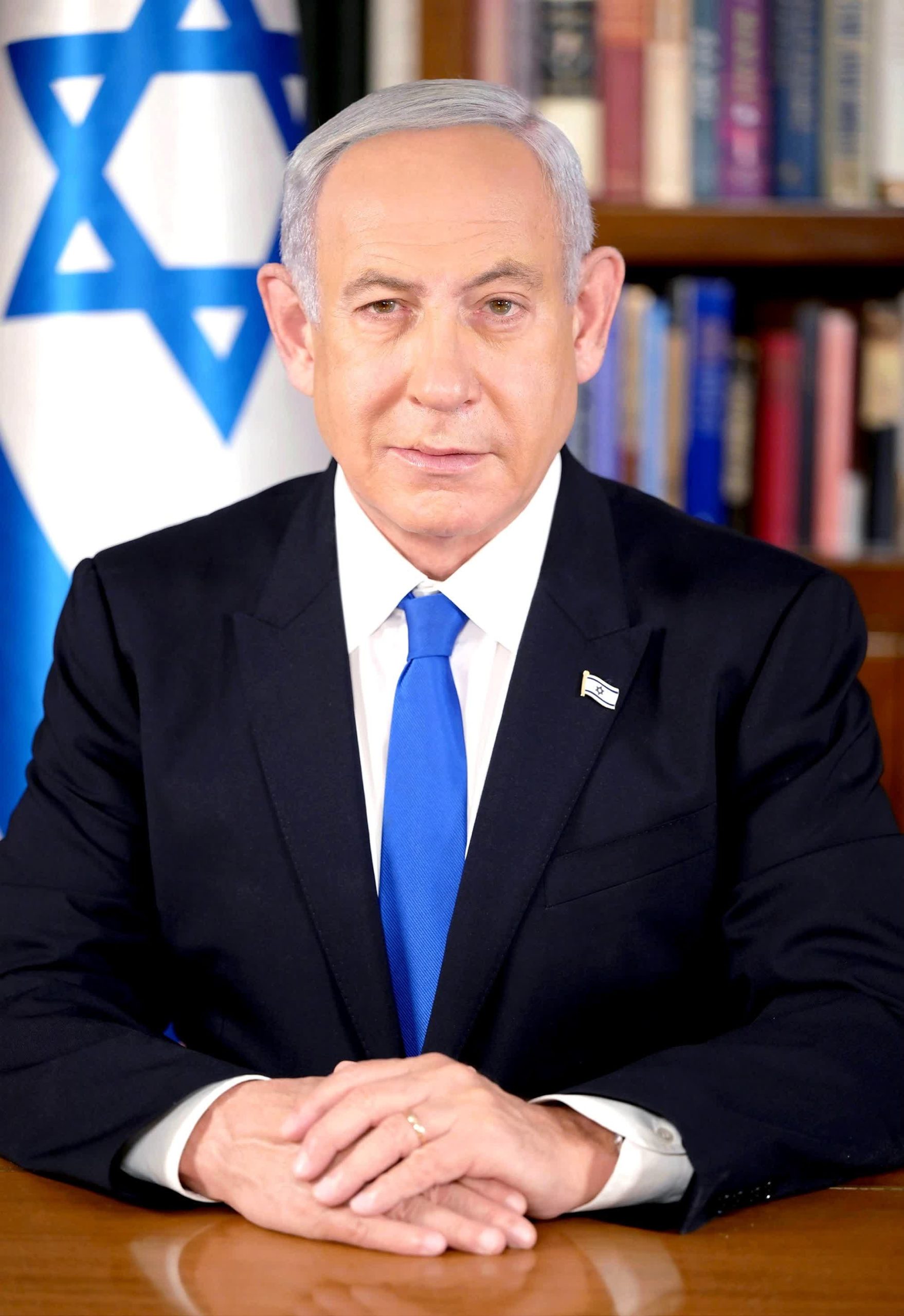
Prime Minister Benjamin Netanyahu was blunt: “The ceasefire with Iran does not apply to Hezbollah in Lebanon,” he told reporters. Israeli Defence Minister Israel Katz echoed the position, saying Israel had “insisted on separating the war with Iran from the fighting in Lebanon.” French Foreign Minister Jean-Noël Barrot disagreed sharply, calling the strikes “massive” and stating that any ceasefire “must also cover actions in Lebanon.” Iran’s President Masoud Pezeshkian warned that Israel’s strikes violated the agreement and would “render US-Iran negotiations meaningless.”
A Fragile Peace
In response, Iran closed the Strait of Hormuz again, driving oil futures back toward $100 a barrel and signalling how quickly the broader ceasefire could unravel. Vice President JD Vance, who had returned to Washington overnight, was scrambling back toward Islamabad for high-stakes talks aimed at holding the deal together. The world is watching whether Lebanon becomes the fault line that breaks the peace.
Vibes Uncut Media will continue tracking developments as this situation evolves rapidly.


Leave a Reply