
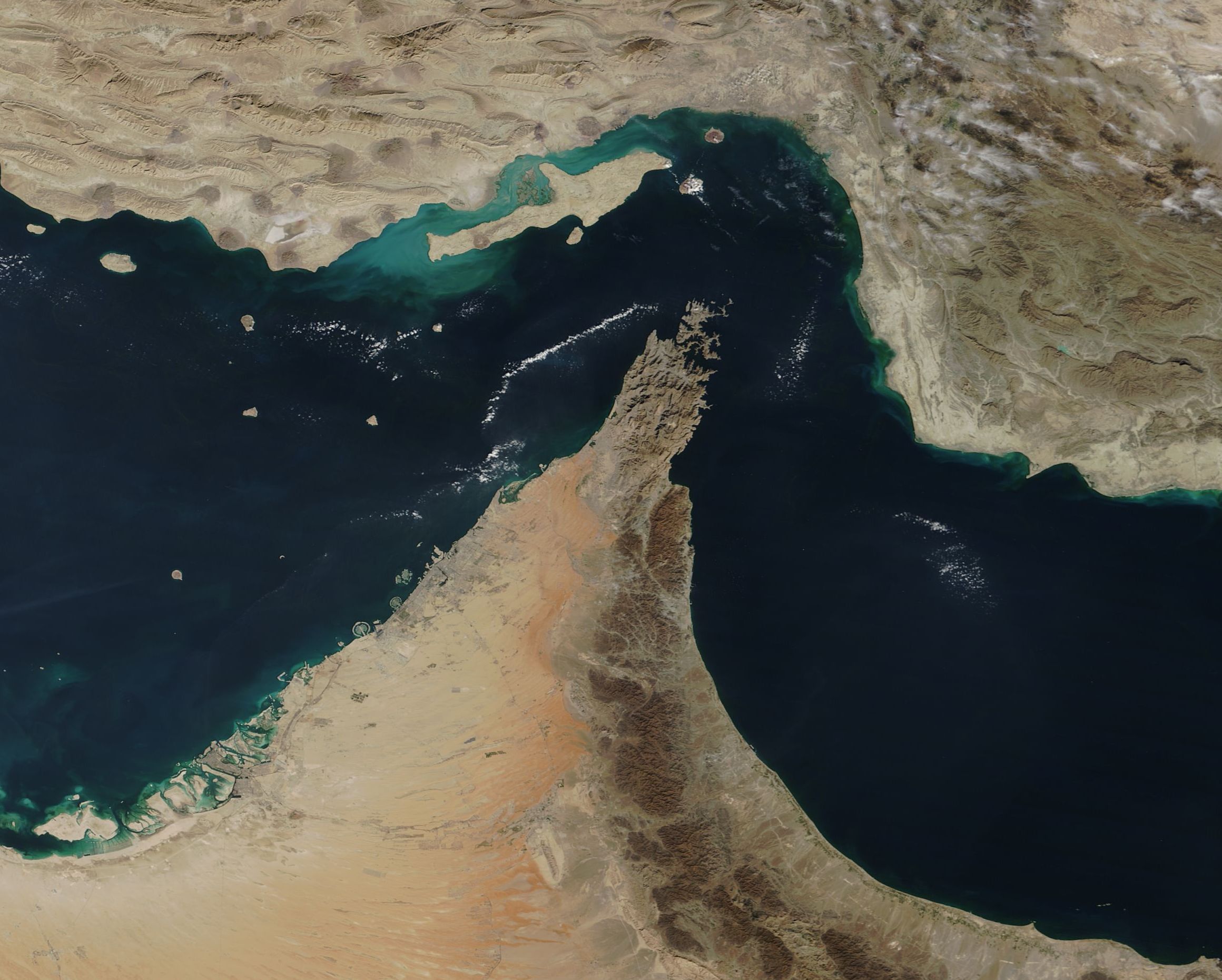
Just hours after a ceasefire between the US and Iran appeared to promise stability, Iran closed the Strait of Hormuz again — this time in direct response to Israel’s devastating airstrikes on Lebanon. The closure sent oil futures racing back to $100 a barrel, rattling global energy markets and threatening to collapse the fragile peace deal before it could take hold.
The Strait as a Weapon
The Strait of Hormuz, through which approximately 20 percent of the world’s oil supply passes daily, has now been used twice in the current conflict as Iran’s most powerful economic lever. Earlier in the war, Iran’s initial closure sent jet fuel prices surging from roughly $85 to $209 per barrel, contributing to airline fare increases and supply chain disruptions across multiple industries. Friday’s closure brought renewed panic to commodity traders globally.
Who Gets Hurt
The immediate consequences ripple far beyond the Middle East. Countries in sub-Saharan Africa, including Ghana, that import refined petroleum products face renewed fuel price pressures. Airlines operating international routes saw shares fall sharply as fuel hedging models were stress-tested. The US Federal Reserve’s inflation outlook — already complicated by stubborn core CPI readings — now faces an additional energy shock input.
International Response
The United States Seventh Fleet confirmed it was monitoring the strait and described the closure as “a destabilising act inconsistent with the spirit of the ceasefire agreement.” Diplomatic sources told Reuters that American negotiators were pressing Israel to pause Lebanon operations while Iran-US talks in Pakistan proceed. Whether those appeals will hold is an open question.
Follow Vibes Uncut Media for ongoing updates on the oil market and geopolitical developments.












Leave a Reply