
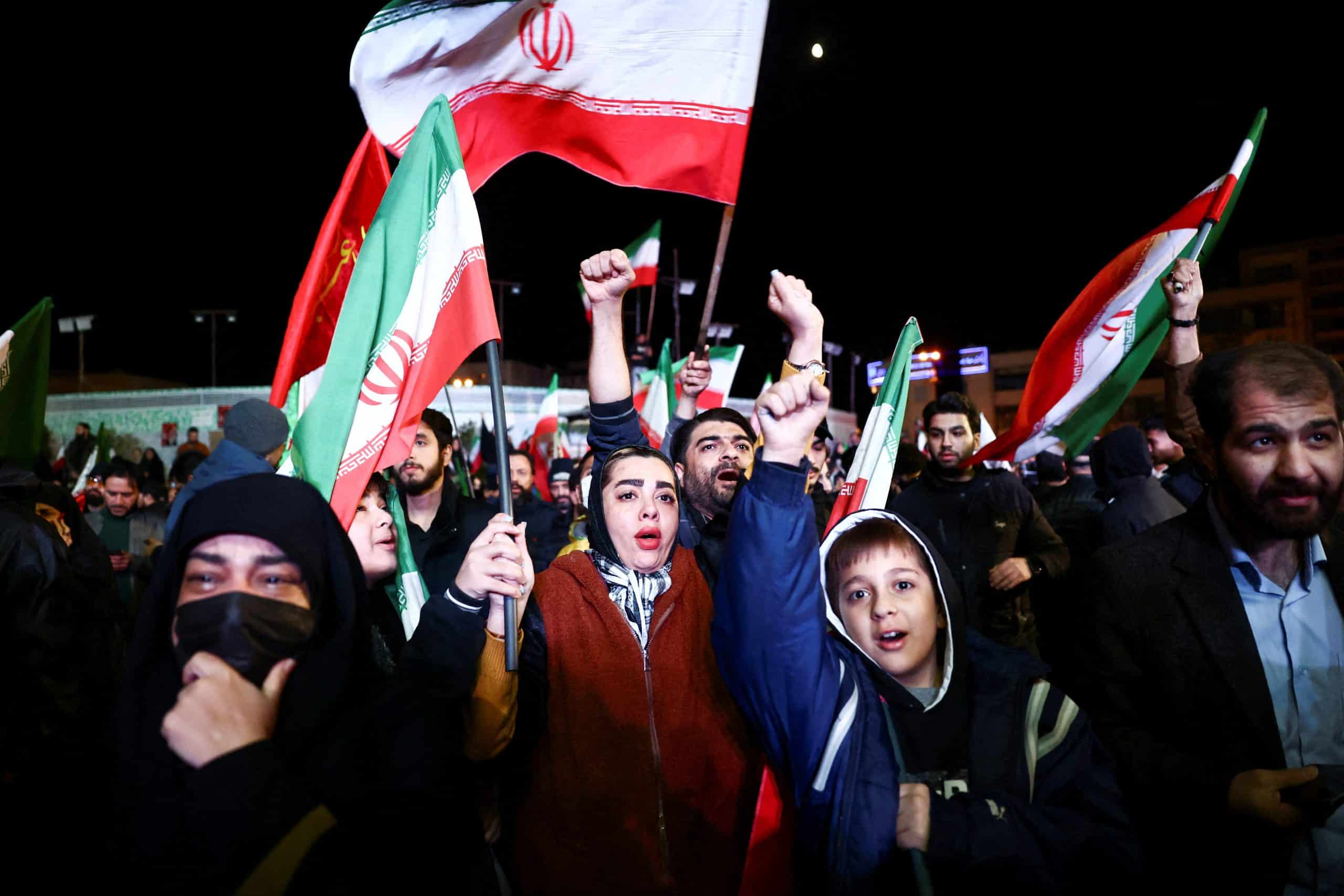
In a dramatic turn of events that stunned global markets and world leaders, the United States and Iran have agreed to a two-week ceasefire, with Tehran committing to the immediate and complete reopening of the Strait of Hormuz. The announcement came less than two hours before President Donald Trump’s self-imposed 8 p.m. ET deadline, averting what many feared would be a catastrophic escalation of the five-week-old conflict.
How the Deal Came Together
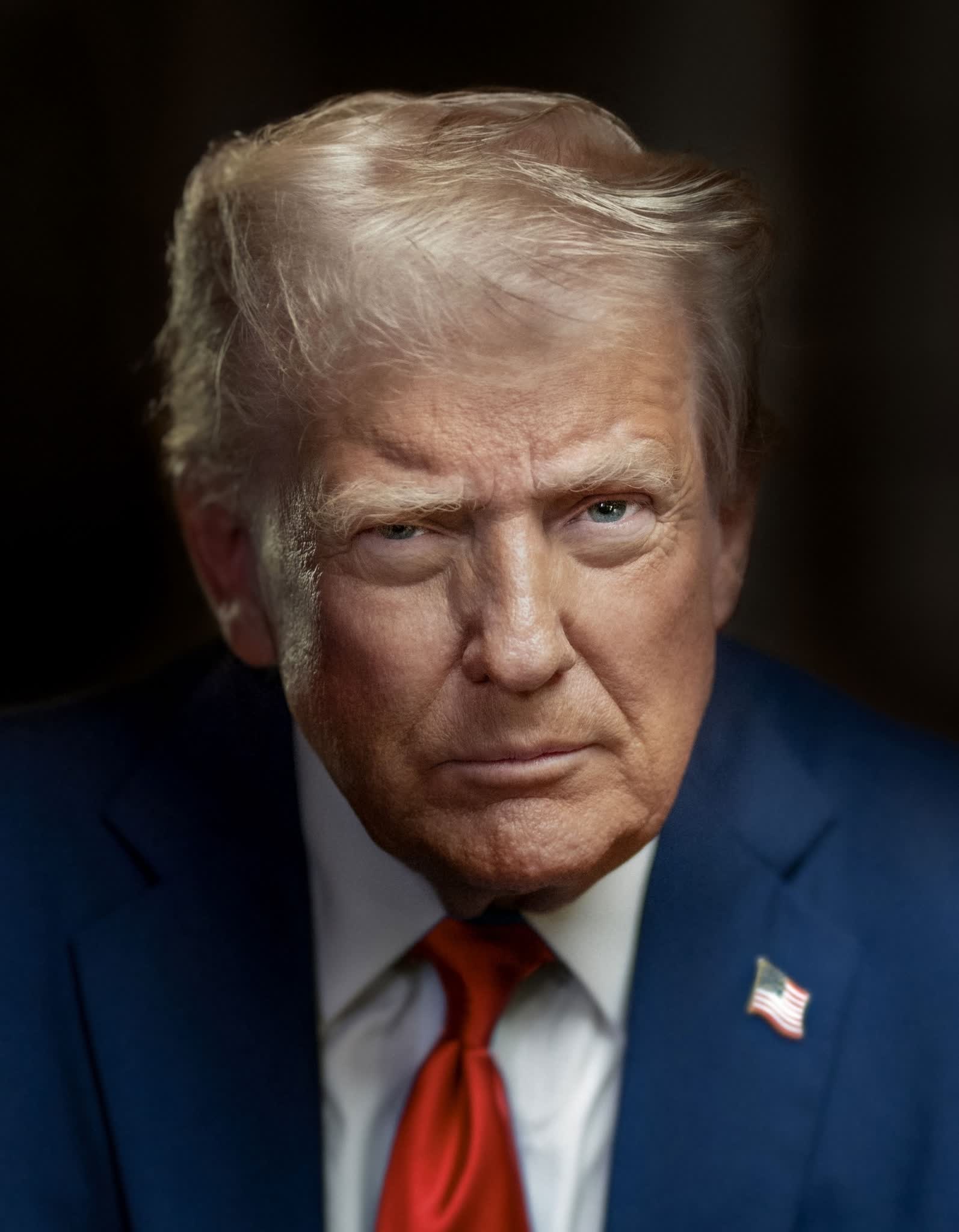
Pakistan played a pivotal mediating role. Prime Minister Shehbaz Sharif contacted Trump and proposed a two-week extension to the deadline, inviting both American and Iranian delegations to Islamabad on April 10 for further negotiations. Trump, in a post on Truth Social at 6:32 PM ET — about 90 minutes before the deadline — announced he would “suspend the bombing and attack of Iran for a period of two weeks.”
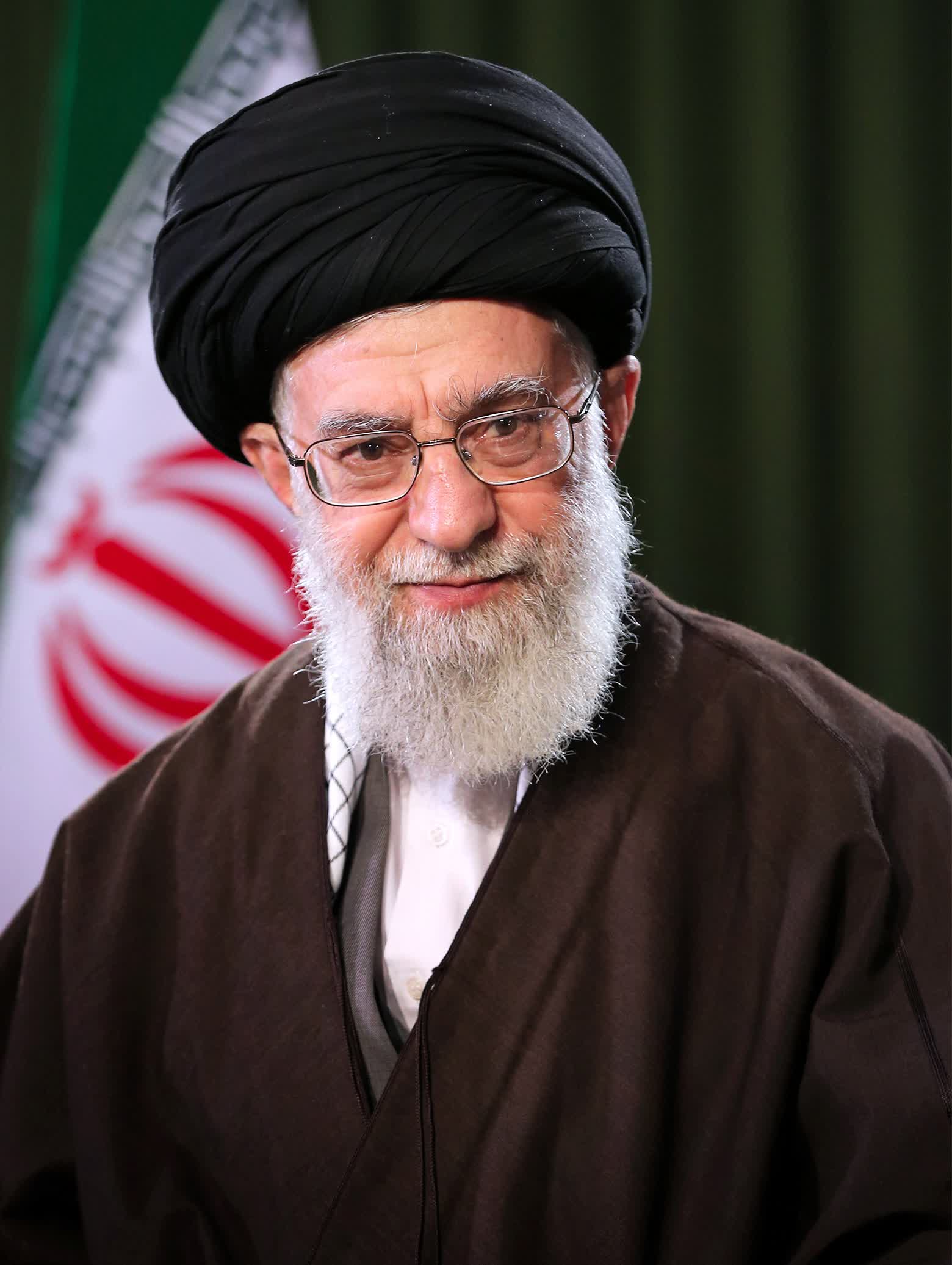
Iran’s Foreign Minister Abbas Araghchi confirmed within hours: “For a period of two weeks, safe passage through the Strait of Hormuz will be possible via coordination with Iran’s Armed Forces.” Iran’s Supreme National Security Council added that the ceasefire could extend beyond two weeks if negotiations in Islamabad progress favourably.
The Human Cost of Five Weeks of War
The conflict, which began on February 28, has exacted a devastating toll. Nearly 2,076 people in Iran, 28 in Gulf states, 13 US military members, and 26 in Israel have been killed since the fighting began. Iran’s blockade of the Strait of Hormuz — through which approximately 20% of the world’s oil supply passes — triggered the most severe energy supply shock in modern history, sending gas prices spiralling across the globe and disrupting shipping lanes used by billions worth of goods daily.
The Economic Fallout
Saudi Arabia, Kuwait, the UAE, Qatar, and Bahrain collectively shut in an estimated 7.5 million barrels per day of crude oil production in March, with the figure expected to reach 9.1 million barrels per day this month. Global gas prices surged, with the US average approaching $4.30 per gallon — a level that fuelled domestic political pressure on the Trump administration to reach a deal.
What Happens Next
The delegations are set to meet in Islamabad on April 10 to begin negotiating a more permanent framework. Iran’s 10-point proposal — which includes withdrawing US combat forces from regional bases, lifting all sanctions, releasing frozen Iranian assets, and providing full compensation for war damages — will form the basis of negotiations. Analysts warn that the gap between the two sides’ positions remains wide, and the two-week window is a narrow one in which to bridge fundamental disagreements.






Leave a Reply