

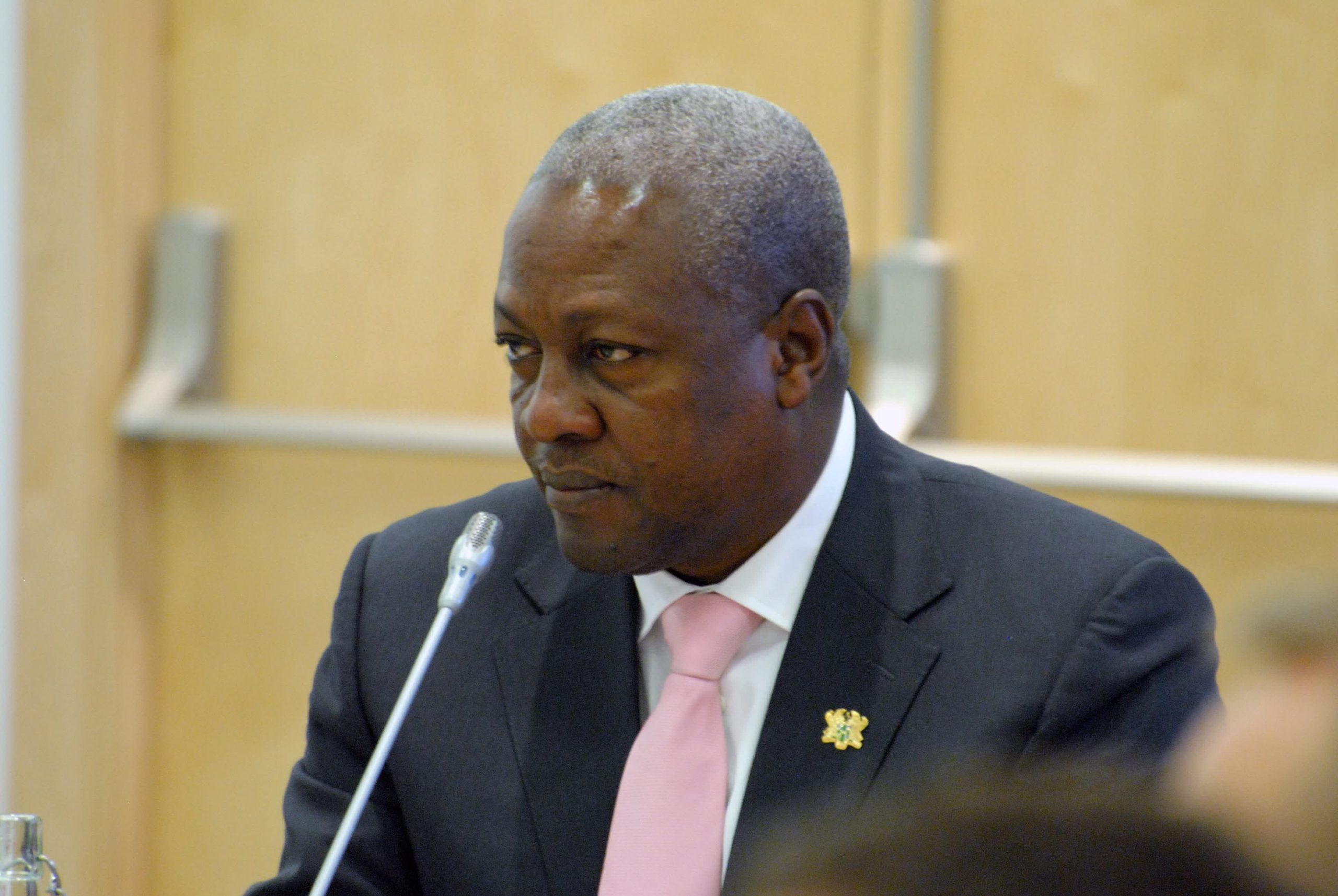
Ghana will officially launch its National Artificial Intelligence Strategy on April 24, 2026, with President John Dramani Mahama set to preside over the landmark event. The strategy marks a decisive step in Ghana’s ambition to become one of Africa’s foremost digital economies, and signals a broader continental vision for AI governance, development, and adoption.
Why Ghana Is Betting on AI
Artificial intelligence is rapidly reshaping economies around the world, and African nations that position themselves early stand to gain the most from the technology’s productivity dividends. Ghana’s National AI Strategy is designed to provide a policy framework that governs how AI is developed, deployed, and regulated across critical sectors including health, agriculture, education, finance, and public services.
The initiative follows a period of sustained macroeconomic recovery. With inflation down to 3.2%, the cedi stabilising, and investor confidence returning, the Mahama administration is pivoting toward structural transformation — and AI sits at the centre of that agenda.
A Continental Leadership Play
President Mahama has framed Ghana’s AI strategy not just as a national policy, but as a statement of continental leadership. In recent remarks, he has pointed to Ghana’s track record in democratic governance, tech entrepreneurship, and startup activity as foundations for a credible AI leadership position in West Africa and beyond.
The strategy is expected to outline investment priorities, regulatory frameworks, talent development pipelines, and public-private partnerships designed to accelerate AI adoption. It will also address AI ethics and data protection — areas where African nations have increasingly sought to set their own standards rather than simply importing frameworks from the West.
Ghana’s Growing Tech Ecosystem
Ghana’s technology sector has expanded significantly in recent years. Accra has emerged as one of West Africa’s most active tech hubs, home to a growing number of fintech, healthtech, and agritech startups. Several global technology companies have established regional offices or partnerships in the country, drawn by its stable political environment and English-language workforce.
The April 24 launch is expected to attract ministers, tech executives, international development partners, and civil society leaders. Details of the full strategy document — including specific sector targets and timelines — are expected to be released ahead of the event.











Leave a Reply