
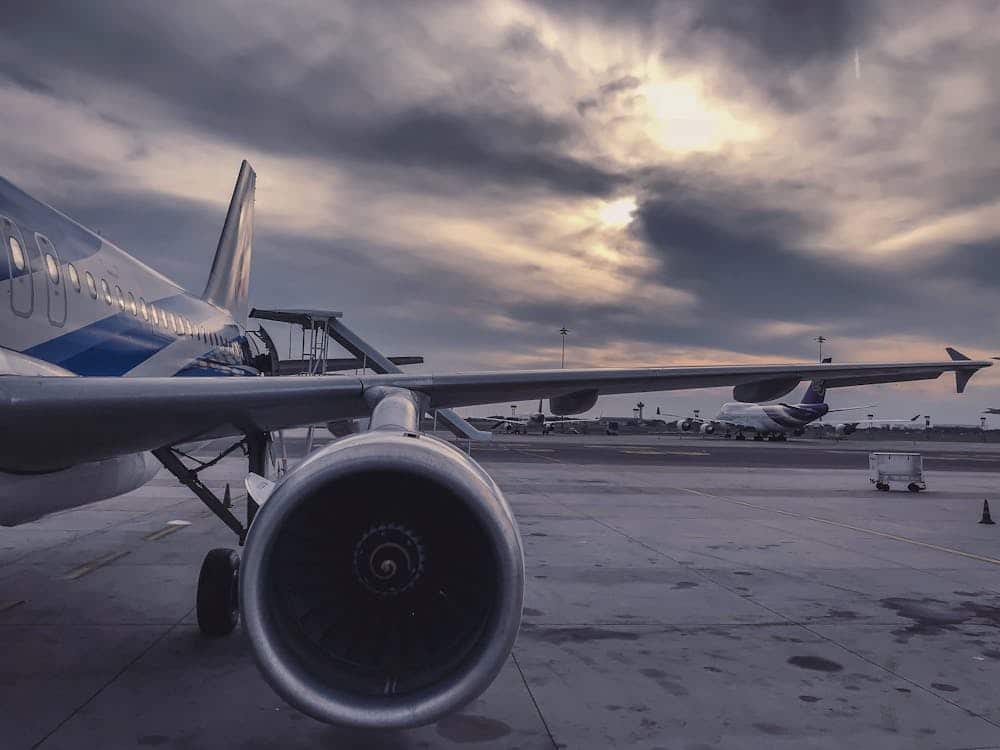
Delta Air Lines and Southwest Airlines have both raised their checked baggage fees by $10, bringing the cost of a first checked bag to $45 and the second to $55 — the latest in a wave of fee hikes across the airline industry as carriers grapple with jet fuel costs that surged to approximately $209 per barrel globally during the US-Iran conflict.
When the Changes Take Effect
Delta’s new fees apply to flights booked on or after April 8, 2026, while Southwest’s increases take effect for bookings made on or after April 9. The increases join similar hikes already announced by United Airlines, JetBlue, Ryanair, and Frontier, effectively making $45 the new industry standard for first-bag domestic fees across most major US carriers.
Delta has also raised its third checked bag fee by $50 to $200. Benefits tied to frequent-flyer programmes, premium fare classes, and co-branded credit cards remain unchanged.
Why Fuel Costs Are the Driver
The US-Iran war, which has now been paused under a two-week ceasefire, triggered the most severe energy supply shock in decades. Jet fuel, typically priced as a derivative of crude oil, followed crude prices sharply higher — rising to around $209 per barrel globally, according to the International Air Transport Association (IATA). For an industry where fuel represents up to 30–40% of operating costs, the spike was immediately and severely felt in airline balance sheets.
Airlines are legally entitled to adjust ancillary fees without advance regulatory notice, making baggage fees one of the quickest levers available to offset rapidly rising operational costs. The $10 increase across the industry adds up to significant revenue: the major US carriers collectively process hundreds of millions of checked bags annually.
Relief May Be Coming
With the ceasefire now in place and oil prices having already fallen sharply — WTI dropped more than 16% on Wednesday — there is growing optimism that jet fuel costs will ease in the coming weeks. However, airlines typically do not reverse fee increases quickly, even when cost pressures subside. Consumers should expect the $45 first-bag fee to remain in place through at least the summer travel season regardless of how oil markets evolve.




Leave a Reply