
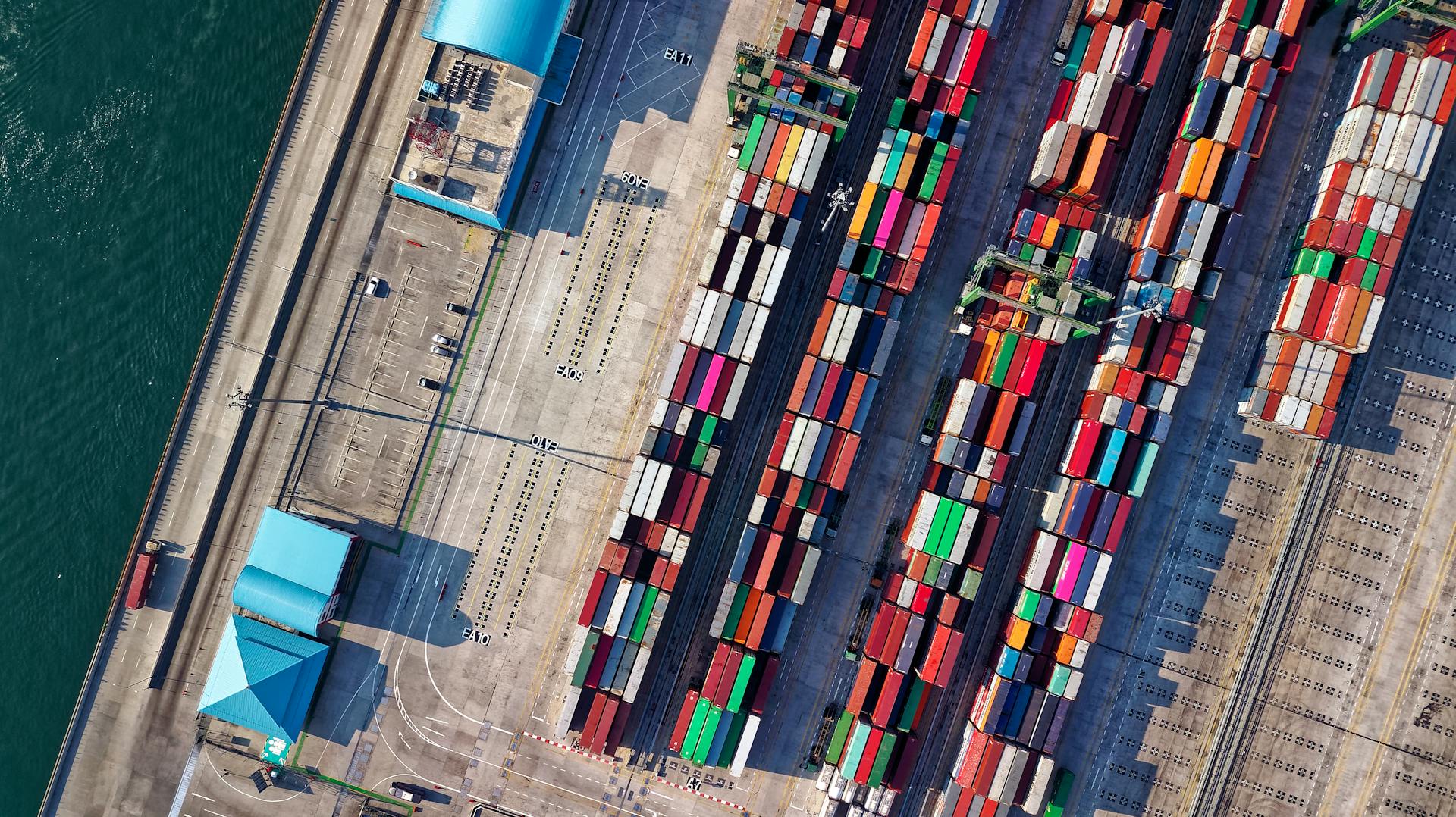
A trade war between two superpowers is reshaping the world economy and Africa is quietly bearing some of its heaviest consequences.
What Africa Stands to Lose from the US
For more than two decades, African nations relied on the African Growth and Opportunity Act (AGOA) which granted duty-free access to American markets. At its 2008 peak, AGOA facilitated billion in trade. By 2025, AGOA exports had collapsed by 32% year-on-year, and new reciprocal tariffs range from 10% to 60% for some nations.
Lesotho now faces a 50% tariff on its apparel exports. South Africas auto sector saw shipments to the US plunge nearly 75% in 2025, from 25,544 vehicles to just 6,530. These are not abstractions. These are jobs, factories, and livelihoods.
China Fills the Gap But at a Cost
As the US turns inward, China is moving in the opposite direction. With American markets increasingly closed, Beijing has redirected its trade machine toward Africa. The result: Chinas trade surplus with Africa hit a record billion in 2025, up 64.5% from the previous year. Chinese exports to Africa surged 25.8% to billion, flooding markets with solar panels, electronics, vehicles, and industrial equipment.
Raw materials still account for 90% of African exports to China while finished goods pour back in. Analysts warn Africa risks becoming a dumping ground for subsidised Chinese manufacturing, undercutting the very domestic industries the continent needs to build.
The Hidden Opportunity Nobody Is Talking About
Embedded within the disruption is a genuine opportunity. The global trade war has exposed how vulnerable African economies are when dependent on external markets. The answer lies within: the African Continental Free Trade Area (AfCFTA). Full implementation could boost intra-African trade by over 50%, with manufacturing exports growing by as much as 110%. As corporations scramble to diversify supply chains away from China, Africa is increasingly positioned as an attractive alternative.
What Happens Next
The current US tariff regime expires in July 2026, creating a narrow window for African nations to negotiate collectively. China has already signed framework agreements with 31 African countries and extended duty-free treatment to 53 African nations. Africa did not start this trade war. But how the continent responds will define its economic trajectory for a generation.








Leave a Reply