
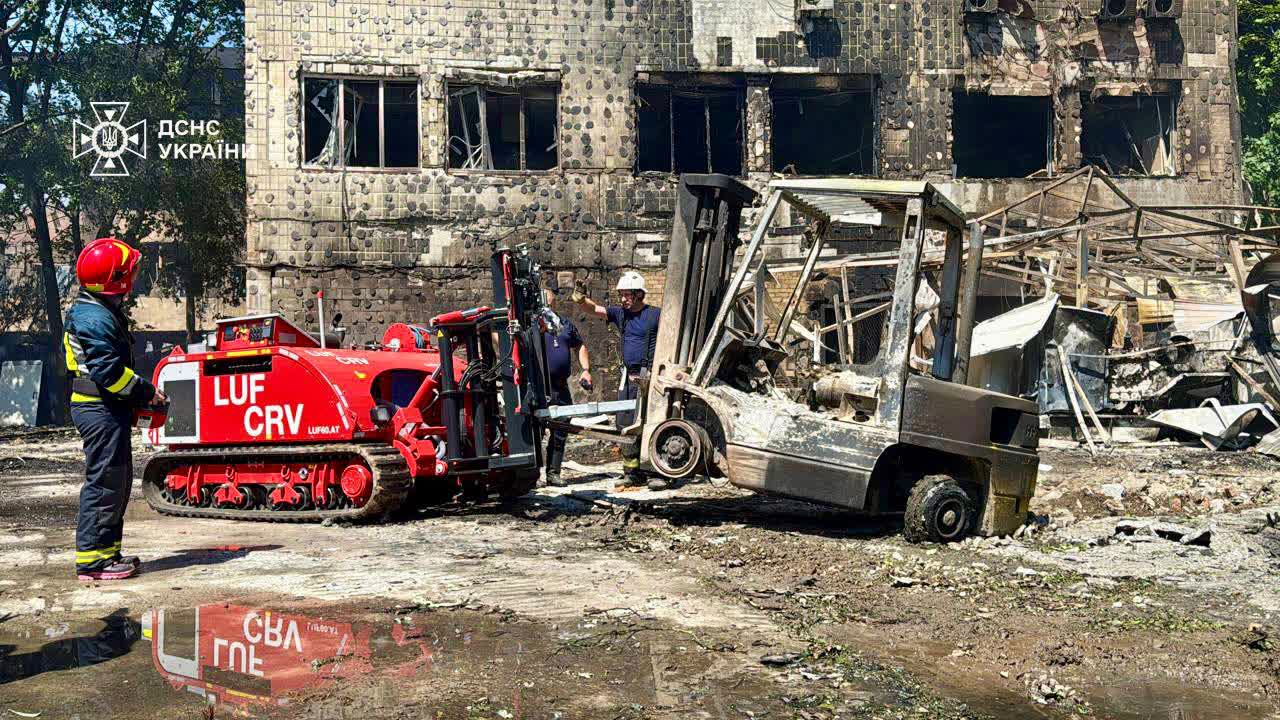
Russia launched its largest aerial assault of 2026 on Ukraine overnight on April 16, firing nearly 660 drones and 44 cruise and ballistic missiles in a hourslong attack that killed at least 16 people and wounded more than 100 across Kyiv, Odesa, Dnipro, and Zaporizhzhia.
What happened
Ukraine’s Air Force said the barrage included 44 cruise and ballistic missiles and approximately 660 Shahed drones. Ukraine’s air-defence systems intercepted the majority of the projectiles, but dozens broke through. In Kyiv, four people were killed, including a 12-year-old boy, and 45 were wounded. At least 17 apartment buildings and 10 private homes were damaged, along with a hotel, shopping mall, office centre, and gas station.
In Odesa, nine people were killed and 23 injured. Three women were killed in the Dnipro region, with around three dozen others wounded. One person died in Zaporizhzhia in the south.
The context: exhausted air defences
The timing is significant. Ukrainian President Volodymyr Zelenskyy had spent the week touring European capitals, pleading for air-defence systems and interceptor missiles. Ukraine’s stockpiles of the Patriot and IRIS-T missiles used to shoot down incoming Russian missiles have been strained by both the war’s tempo and a partial diversion of US attention and resources to the Iran conflict.
Military analysts noted that the scale of penetration — compared with attacks of similar size earlier in the year — suggests Russia has been carefully mapping and probing gaps in Ukraine’s air-defence grid. Striking civilian targets such as apartment blocks and shopping centres is a deliberate choice designed to demoralise rather than achieve tactical military objectives.
Peace talks at a standstill
The attack comes as US-brokered peace negotiations remain effectively frozen. The Trump administration’s focus on the Iran war and Hormuz ceasefire has reduced diplomatic bandwidth for Ukraine, and Russia appears to be using the gap to signal military pressure. Zelenskyy called the strike “a terrorist act” and renewed his appeal to NATO allies for air-defence equipment. No ceasefire talks are scheduled.





Leave a Reply