
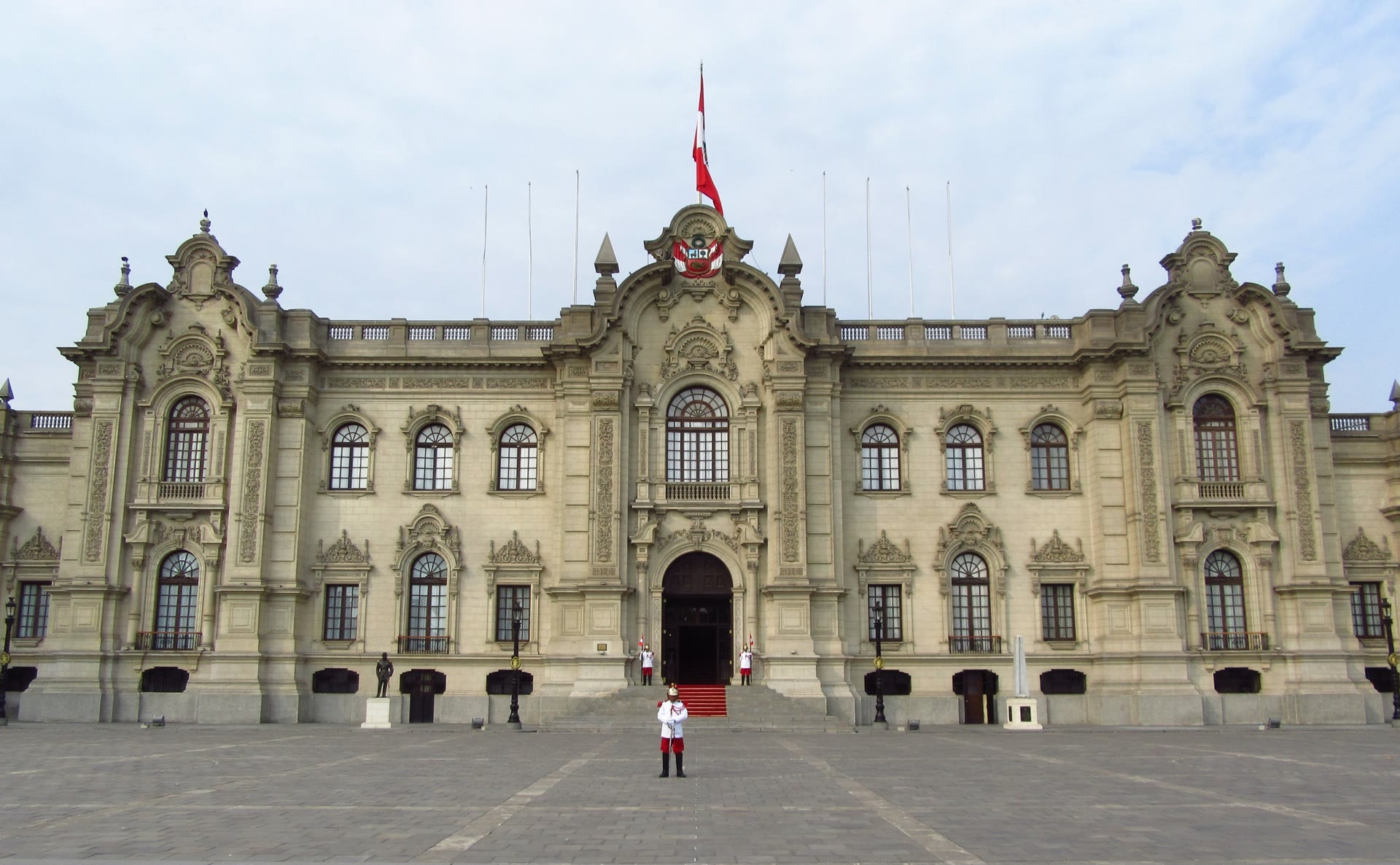
Peru is about to elect its ninth president in less than a decade. With 35 candidates on the ballot and no party polling above 15 percent, the 2026 general election is shaping up as the most fractured vote in the country’s democratic era — and the latest episode in a political crisis that has consumed South America’s former economic success story.
The revolving door
Peru has cycled through eight presidents since 2016, more than any other democracy in the Americas. Pedro Pablo Kuczynski resigned under impeachment pressure. Martín Vizcarra was ousted in an impeachment vote. Manuel Merino lasted five days before street protests drove him out. Francisco Sagasti served as caretaker. Pedro Castillo was impeached and arrested after an attempted self-coup. Dina Boluarte took over, survived multiple impeachment attempts, and resigned in early 2026 amid the “Rolexgate” corruption scandal. Two interim presidents have served since. The ninth takes office on 28 July 2026.
The field
Thirty-five candidates cleared the ballot — an extraordinary number that reflects the collapse of Peru’s traditional party system. Polling is unusually compressed: no candidate is polling above 15 percent, meaning a runoff between two candidates each carrying less than a fifth of the first-round vote is almost certain. The ideological spread runs from the hard right (Keiko Fujimori’s Popular Force) to the radical left (the Free Peru fragments), with a growing anti-political centre that rejects everything in between.
What’s actually broken
Two crises define the moment. First, systemic corruption: every living former Peruvian president has been investigated, indicted, imprisoned, or forced into exile. Second, a security collapse: organised crime has surged, with extortion, contract killings, and illegal mining expanding across the country. Voters have stopped distinguishing between ideology and basic competence. They are voting for anyone who promises to fix the state.
Why it matters beyond Peru
Peru is the world’s second-largest producer of copper and one of the largest producers of silver, zinc, and gold. Political instability in Lima translates directly into mining uncertainty, which translates into price volatility for the global energy-transition supply chain. The ninth president will preside over one of the most consequential mining economies on Earth — with a mandate almost certainly thinner than any predecessor’s.


Leave a Reply