
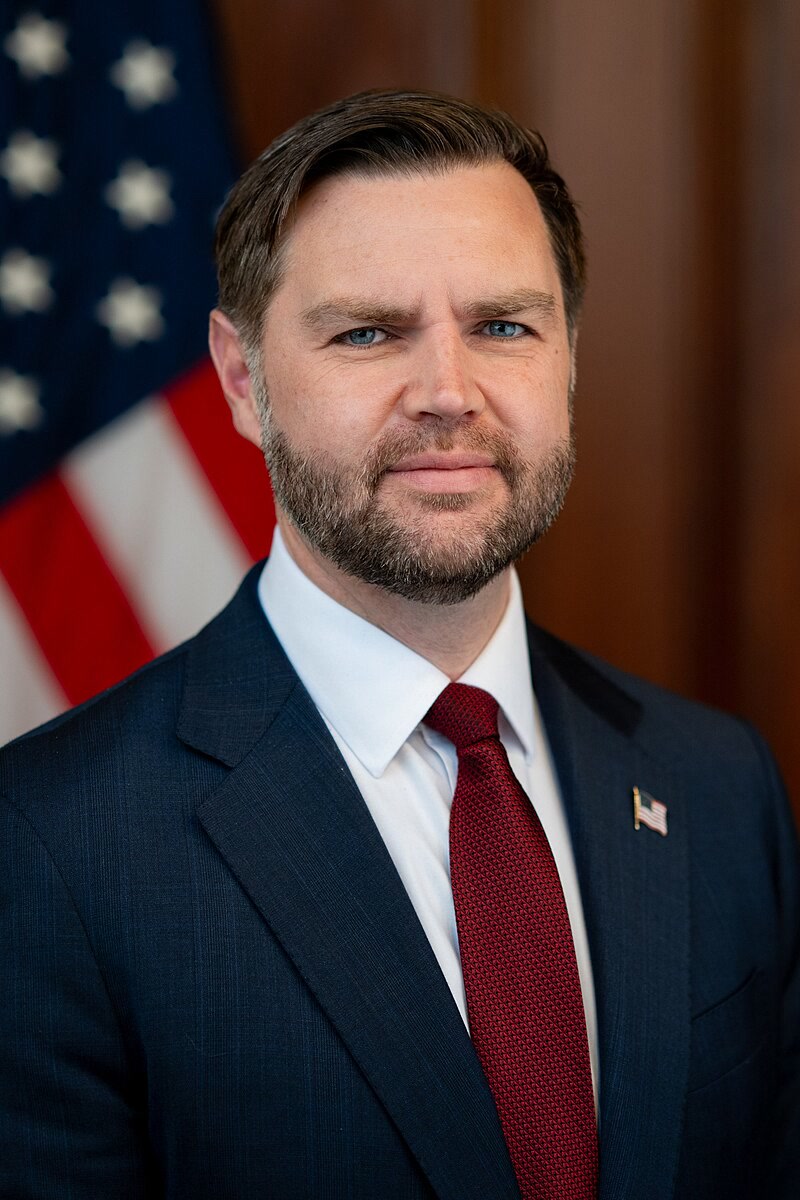
A US delegation led by Vice President JD Vance and an Iranian delegation headed by parliamentary speaker Mohammad Bagher Ghalibaf and Foreign Minister Abbas Araghchi arrived in Islamabad, Pakistan, on Friday for the first face-to-face ceasefire talks since the Iran war began. Pakistan is hosting as a neutral venue with the quiet backing of Saudi Arabia and Qatar.
A Fragile Starting Point
The talks come at the tail end of the most destabilising week of the conflict so far. Iran has refused to reopen the Strait of Hormuz to international shipping, Israel and Hezbollah exchanged strikes across the Lebanon border, and Kuwait was struck by long-range drones for the first time in the war. Oil prices briefly spiked above $110 before settling back as traders priced in a ceasefire possibility.
What’s on the Table
According to sources briefed on the US position, Washington is seeking a phased ceasefire with the Strait reopened within 72 hours in exchange for a pause on new sanctions. Iran’s opening position calls for an immediate halt to Israeli strikes on Lebanese territory and the return of frozen assets via the Central Bank of Qatar. A breakthrough is not expected in the first round; diplomats say the goal this weekend is simply to keep both sides at the table long enough to stop the drift toward open regional war.
Why Islamabad?
Pakistan is the only country with functioning diplomatic relations with both Washington and Tehran and the security apparatus to host a delegation of this sensitivity. Prime Minister Shehbaz Sharif met briefly with both sides on arrival. The last time Islamabad played this role was during backchannel US-Iran talks in 2003.


Leave a Reply