
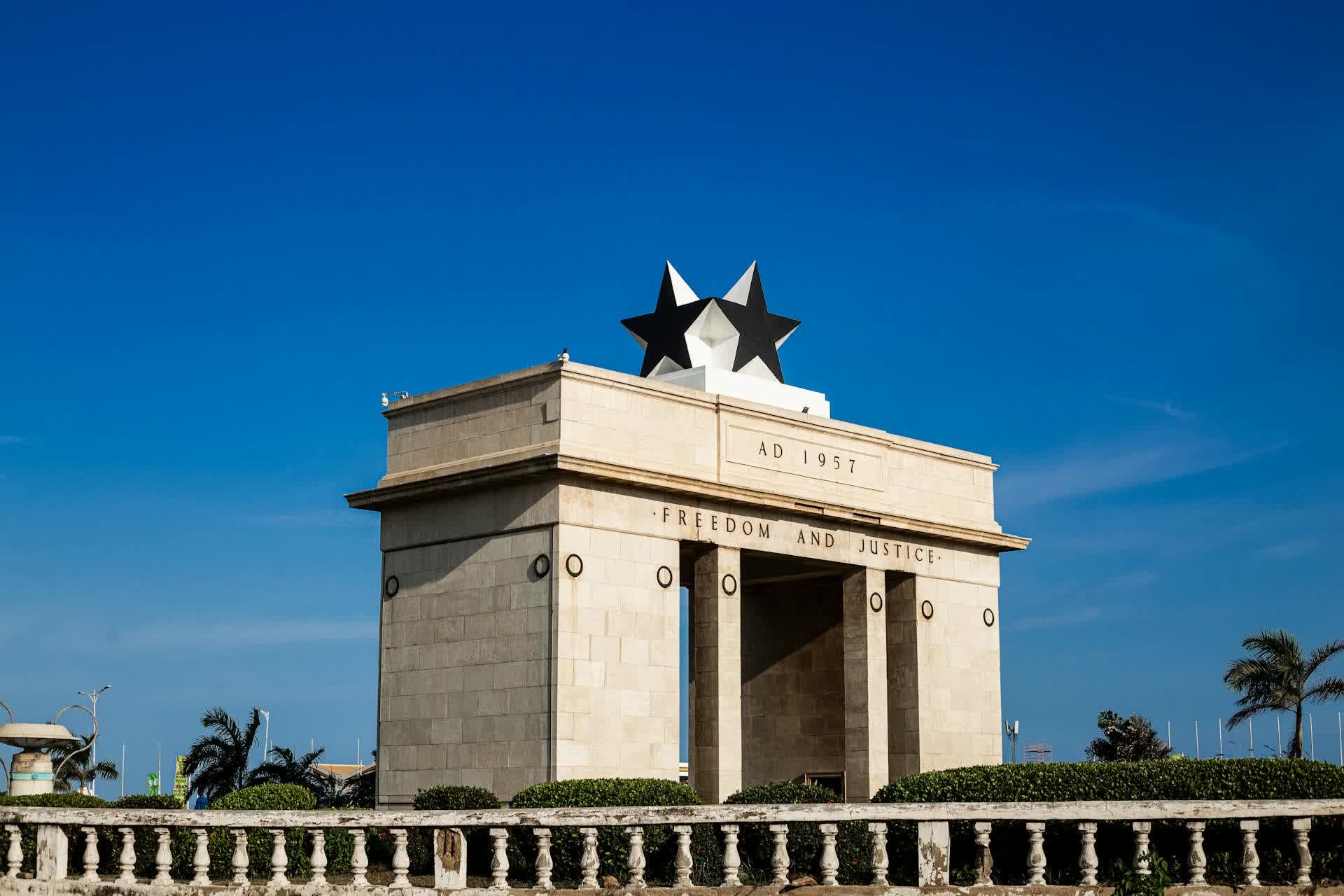
In 1957, Ghana became the first sub-Saharan African country to gain independence. Kwame Nkrumah stood at the Old Polo Grounds in Accra and declared: “We are going to create our own African personality.” The world paid attention. Africa’s liberation movement had its first domino.
Nearly seven decades later, the pattern hasn’t changed. Ghana keeps being first — and the consequences of that impulse tell a story about risk, ambition, and the gap between bold policy and institutional follow-through.
A Timeline of Firsts
The list is striking in its range. Ghana was the first sub-Saharan African country to gain independence in 1957. In 2007, it became the first post-HIPC nation to issue a sovereign Eurobond — a $750 million offering at 8.5 percent coupon that was four times oversubscribed, proving to global markets that African sovereigns could borrow at scale.
Ghana was among the first African countries to connect to the internet in the early 1990s. It pioneered mobile money interoperability, allowing transfers across all major telecom networks years before most of the continent. And in October 2023, it launched a National Artificial Intelligence Strategy for 2023–2033, developed with Germany’s GIZ and Smart Africa, built around eight pillars covering AI education, data governance, and sectoral adoption across healthcare, agriculture, and financial services.
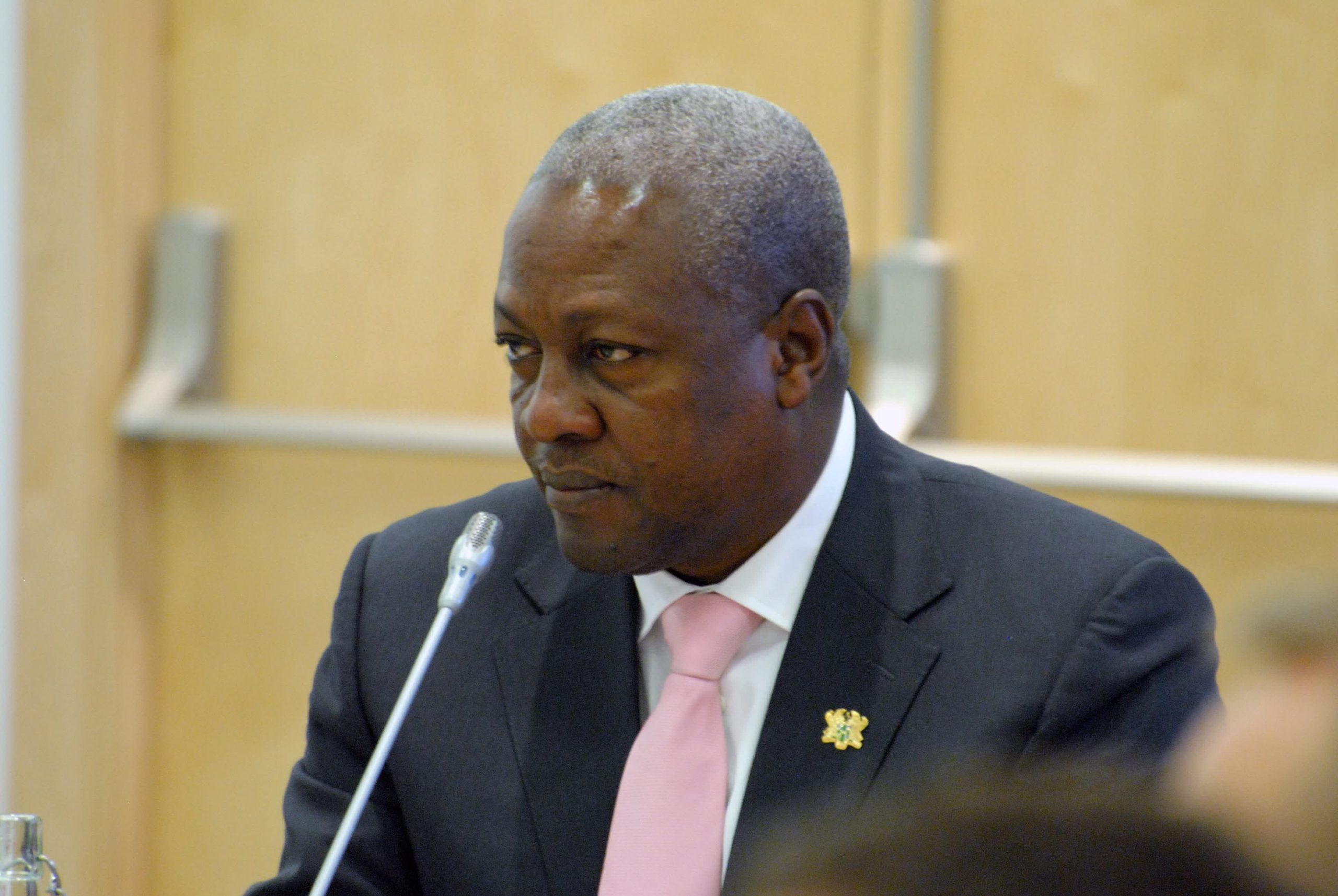
President Mahama is set to formally unveil the strategy on April 24, 2026, alongside a $250 million AI Hub — positioning Ghana among the continent’s first movers in AI governance.
First to Fall, Too
But being first isn’t always a triumph. In 2022, Ghana became the first African country to hit sovereign debt distress in the post-COVID era. The cedi collapsed. Inflation surged past 50 percent. The government defaulted on its domestic and external debt, triggering an IMF bailout programme.
The debt story is especially revealing because it mirrors the Eurobond optimism of 2007. Ghana borrowed aggressively on international markets — eventually issuing bonds at increasingly expensive rates — until the structure became unsustainable. Bondholders ultimately accepted a 37 percent haircut on $13 billion of debt. The IMF completed its fifth review under the Extended Credit Facility in late 2025, noting strong programme ownership but warning that structural reforms must continue.
Ghana has now been through 16 debt restructurings since independence. It was the first African economy admitted to structural adjustment in the 1980s. It was the first to restructure under the G20 Common Framework. Every time, Ghana goes first — and every time, other African countries watch to see what happens.
The Risk Appetite Question
What explains the pattern? Ghana’s political culture rewards boldness. Nkrumah’s pan-Africanist vision set the template: act first, figure out the institutions later. The 24-hour economy policy — a push to run government services around the clock — is a recent example of the same instinct. Grand in ambition, untested in execution.
The Eurobond was bold. The AI strategy is bold. The problem has never been the vision. It’s the machinery that has to deliver it. Ghana ranks 72nd globally and 6th in Africa on the Global AI Index — behind Egypt, Mauritius, South Africa, and Tunisia. The strategy exists. The infrastructure, data governance frameworks, and skilled workforce to implement it are still catching up.
What It Means for Africa
Ghana’s role as a serial first-mover matters beyond its borders. When Ghana issued that Eurobond in 2007, it opened the door for Nigeria, Kenya, Rwanda, and a dozen others to follow. When Ghana’s debt restructuring set a template under the G20 Common Framework, it created a playbook for Zambia, Ethiopia, and Sri Lanka.
Ghana doesn’t just go first for itself. It goes first for the continent — absorbing the risk, taking the hits, and creating the proof-of-concept that others can refine. The question is whether Ghana’s institutions can ever catch up to Ghana’s ambition. History suggests the race is still on.








Leave a Reply