
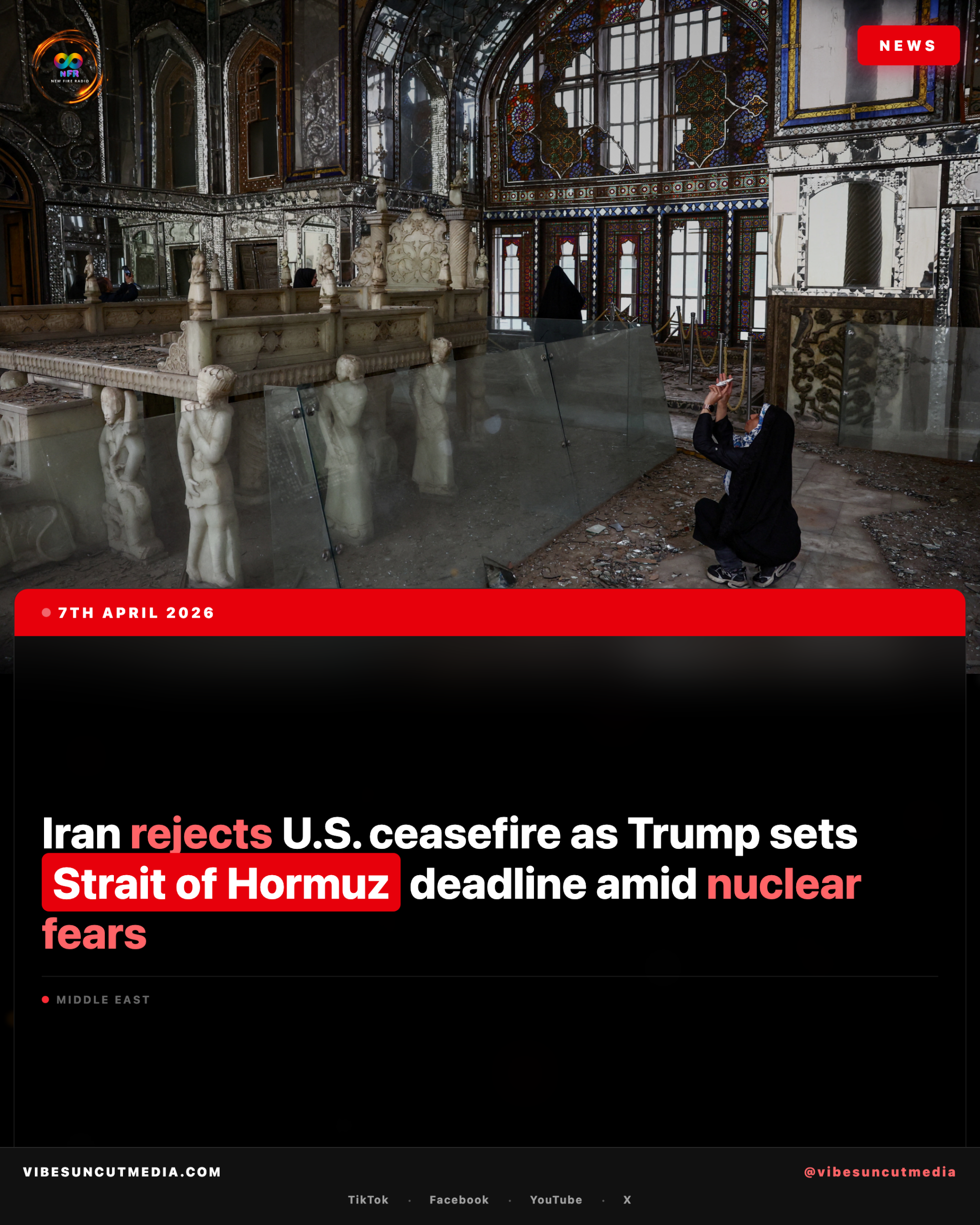
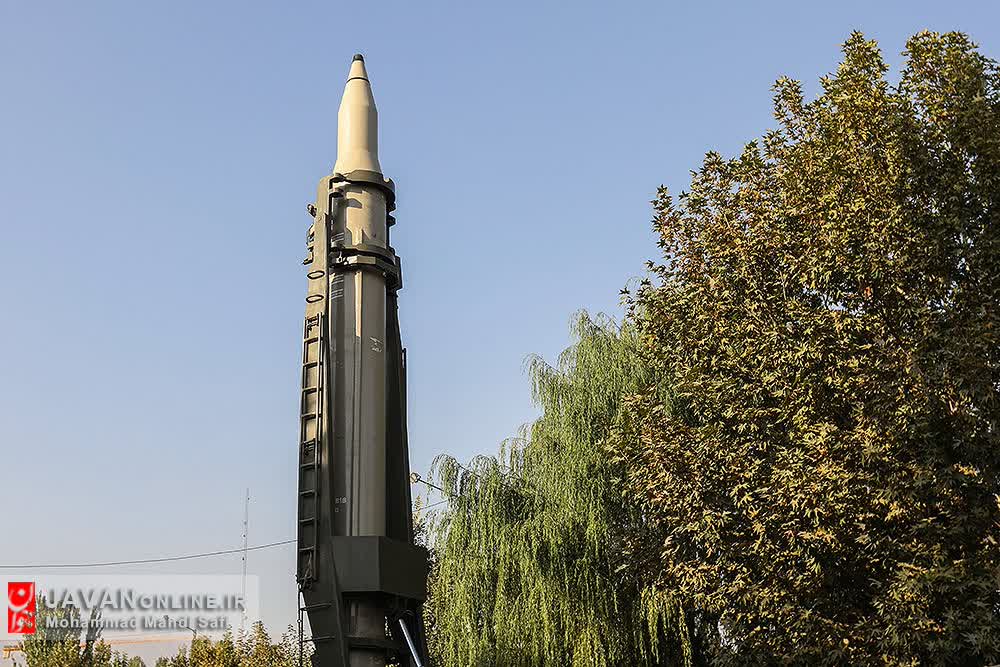
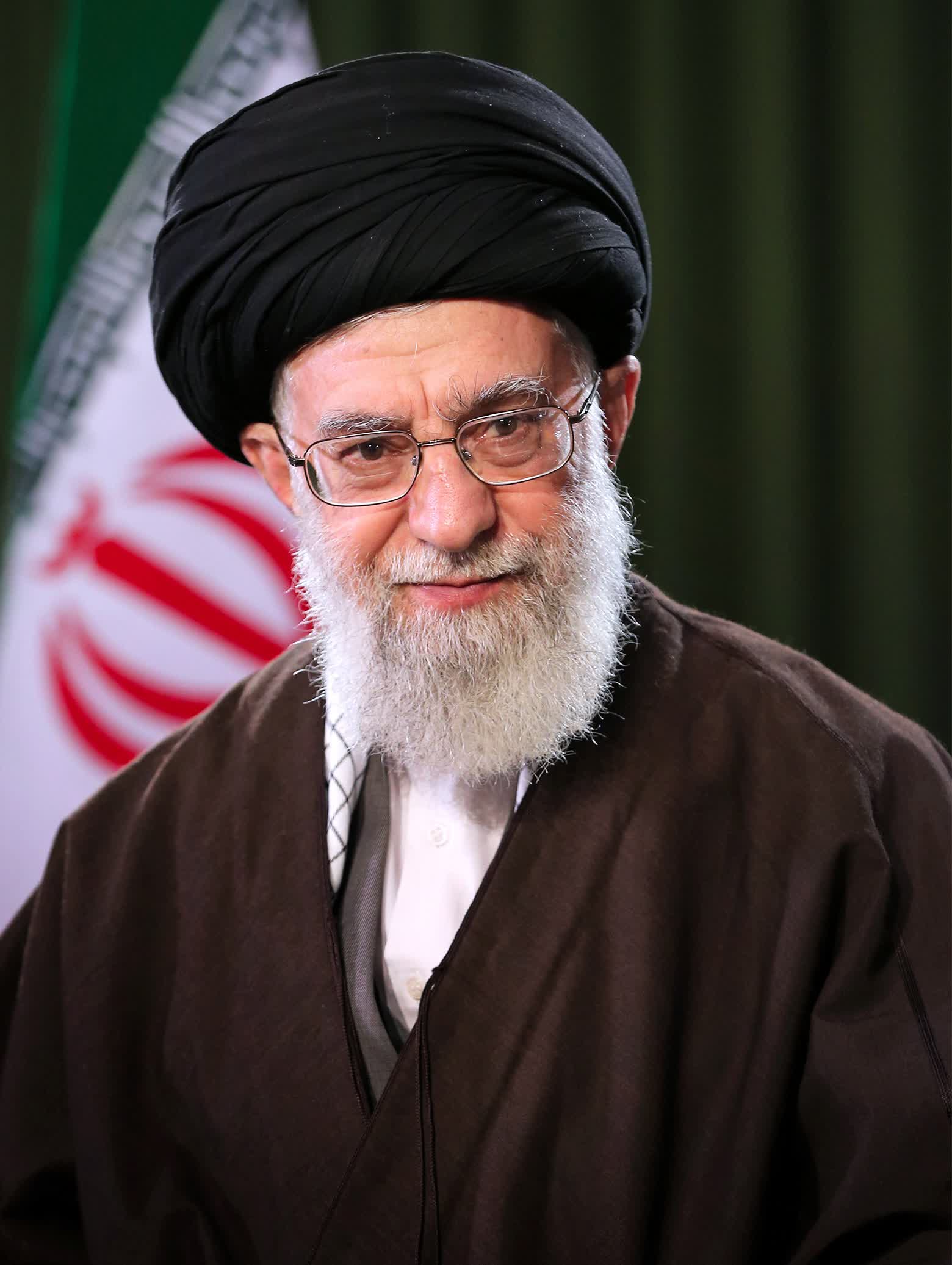
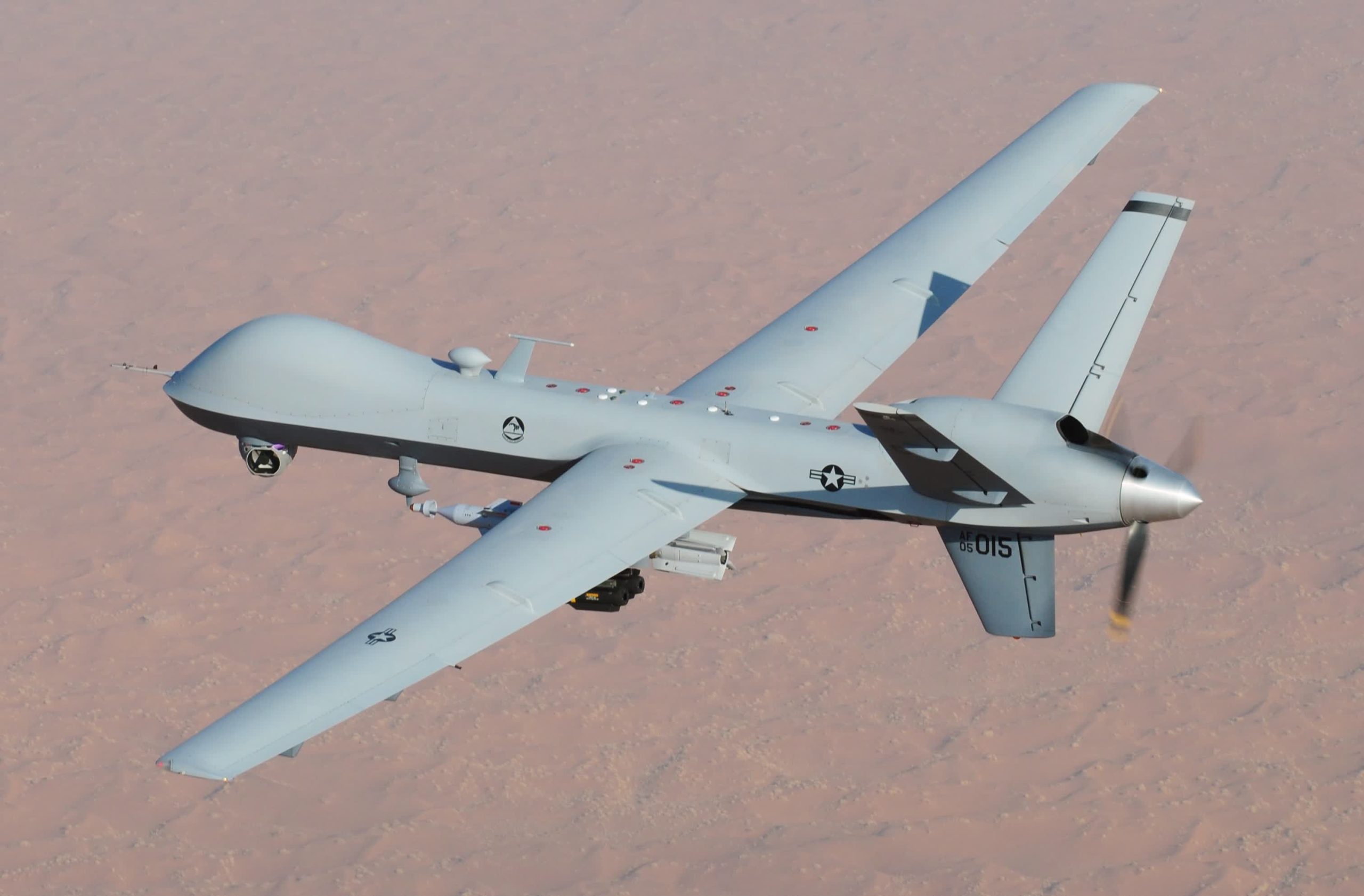
Tensions in the Persian Gulf escalated sharply as Iran’s top officials rejected a U.S.-proposed ceasefire plan and struck a defiant tone against President Trump’s deadline to reopen the Strait of Hormuz. Both sides continued to trade missile attacks as diplomatic efforts stalled.
Nuclear Threat Warning
The International Atomic Energy Agency (IAEA) issued a stark warning that ongoing military activity near Iran’s Bushehr nuclear power plant could cause a “severe radiological accident with harmful consequences for people and the environment in Iran and beyond.” The warning has added a dangerous new dimension to the conflict.
Regional Spillover
The war continues to draw in neighbouring conflicts. Israel has launched operations in Lebanon, and the broader regional instability threatens to engulf multiple fronts simultaneously.
Global Economic Impact
The conflict has significantly disrupted international shipping through the Strait of Hormuz, a critical chokepoint for global oil supplies. Much of the delayed cargo contains medical and humanitarian goods destined for Asia and Africa, raising fears of a humanitarian ripple effect far beyond the Gulf region.
Oil prices remain volatile as markets react to each new escalation, with analysts warning that a prolonged closure of the strait could trigger a global energy crisis.










Leave a Reply