
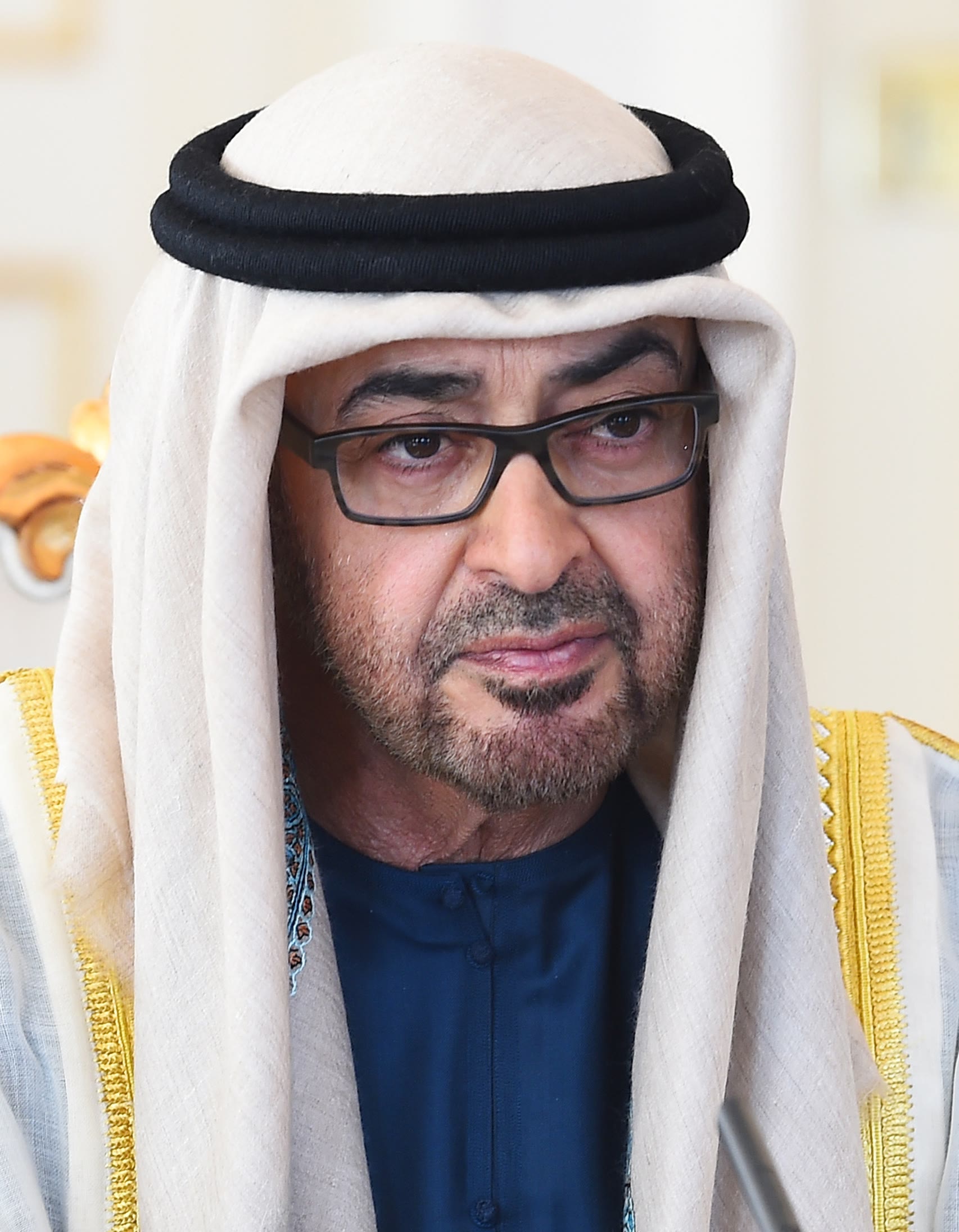
The United Arab Emirates withdraws from the Organization of the Petroleum Exporting Countries (OPEC) and the broader OPEC+ alliance on 1 May 2026, marking the most significant exit from the oil-producer bloc in years and reshaping the global supply map.
What’s Happening
- UAE formally leaves OPEC and OPEC+ effective today
- The move had been signalled in advance but the formal date had been kept tight
- UAE production capacity sits well above its OPEC quota — the exit removes that political constraint
- Saudi Arabia retains de-facto leadership of the remaining OPEC+ structure
Why The UAE Is Leaving
- Quota friction: UAE has long argued its OPEC quota underestimates its production capacity
- Strategic autonomy: Abu Dhabi wants direct control over export volumes as it positions for the energy transition
- Diversification: ADNOC’s overseas portfolio (downstream, gas, renewables) increasingly operates outside OPEC’s frame
Market Implications
- OPEC’s collective control over global oil supply weakens — but does not disappear
- UAE production decisions are now untethered from cartel-wide quota math
- Saudi-UAE divergence becomes more visible without the OPEC+ ceiling
- Brent crude reaction will be the immediate market verdict
The Strategic Picture
OPEC has lost members before — Indonesia, Ecuador, Qatar — but the UAE is the heaviest weight to walk away. The move recalibrates the geopolitics of oil for the rest of the decade. For Africa’s oil producers (Nigeria, Angola, Algeria, Libya), the UAE’s exit weakens the bloc’s ability to defend prices against US shale.
Follow Vibes Uncut Media for continuing energy markets coverage.








Leave a Reply