
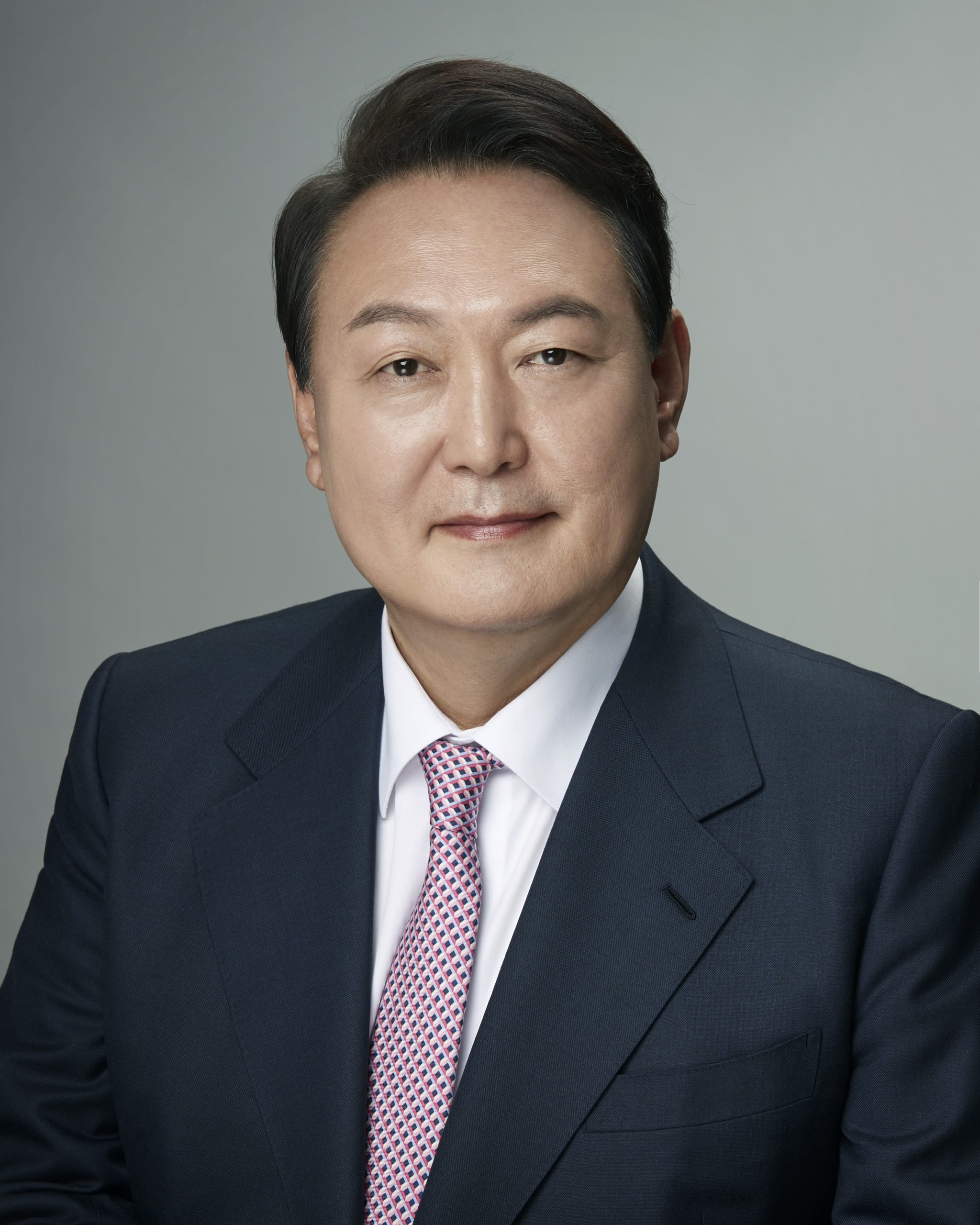
An appeals court in South Korea has sentenced ousted President Yoon Suk Yeol to seven years in prison for resisting arrest and bypassing a Cabinet meeting before his brief imposition of martial law in December 2024 — the most consequential ruling yet in a saga that has dominated Korean politics for 16 months.
The Charges That Stuck
- Resisting arrest during the post-impeachment investigation period
- Bypassing the Cabinet in the chain of constitutional process before declaring martial law
- Procedural violations associated with the December 2024 emergency declaration
The Ruling
The appeals court upheld the lower-court conviction and lengthened the sentence — explicitly citing the gravity of using emergency powers to circumvent constitutional checks. The decision is a strong signal that Korean institutions will treat extraconstitutional action by a sitting president as a criminal matter, regardless of the duration.
Wider Fallout
- Yoon’s wife had her own prison sentence extended in late April
- The successor administration has used the case to push through reform of presidential emergency powers
- Conservative bloc leadership has been in upheaval since the original martial-law episode
Why It Matters Globally
The case is the highest-profile prosecution of a sitting/former president in democratic Asia in a generation. Foreign chanceries — particularly Tokyo and Washington — are tracking implications for South Korean political stability and security cooperation.
Follow Vibes Uncut Media for continuing East Asia coverage.




Leave a Reply