
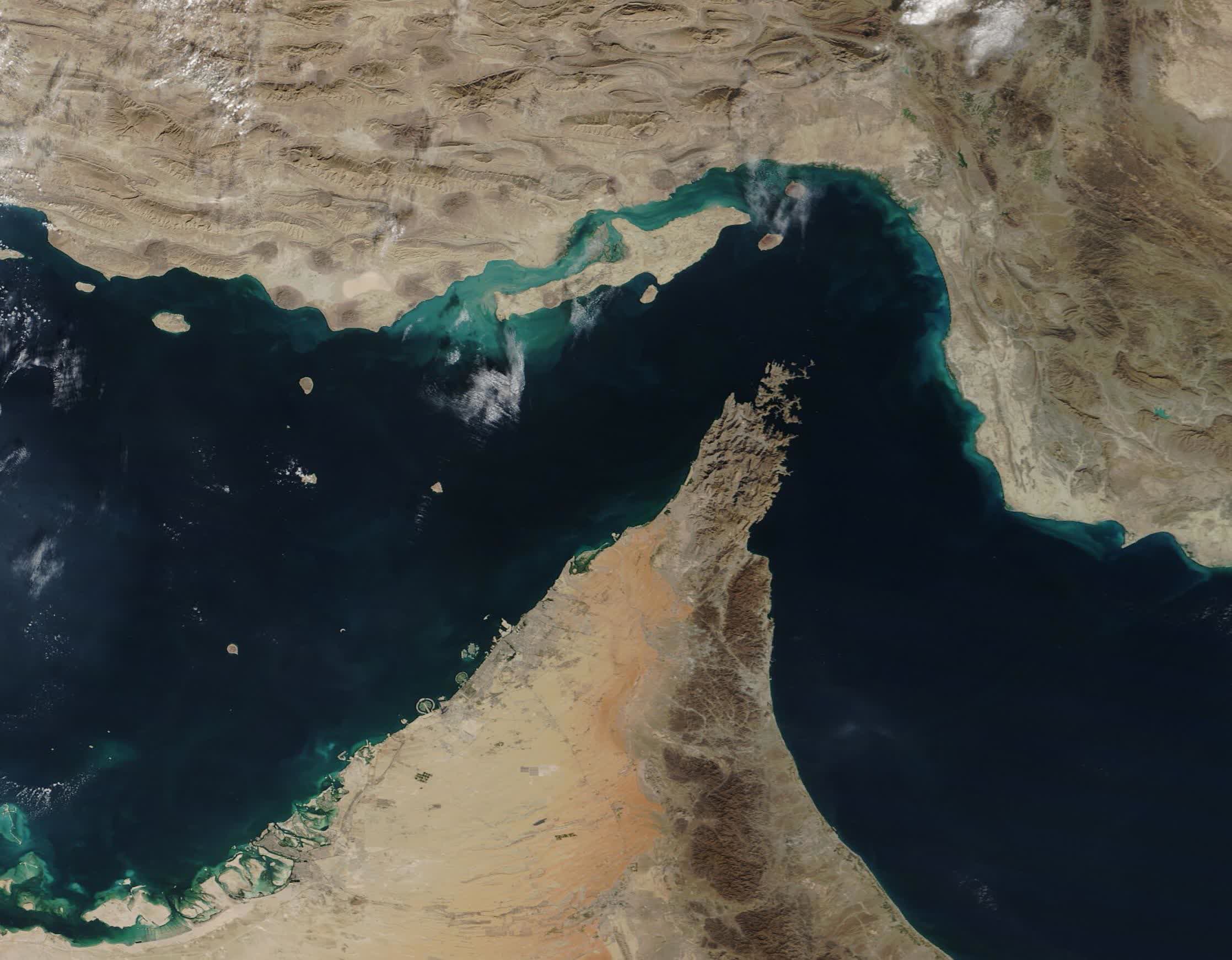
Only 16 ships traversed the Strait of Hormuz on Monday — an eighty-five percent collapse from normal volumes of around 105 transits a day — as captains and shipping lines abandoned the corridor ahead of the April 23 ceasefire deadline.
The plunge in transit numbers reflects what industry trackers call a “silent blockade” — a voluntary disengagement from one of the world’s most critical energy choke points by the shippers who carry roughly 20 percent of global oil and 25 percent of global LNG through it.
The Numbers
Port-call data from the last ten days shows a steepening collapse:
- April 11: 97 transits
- April 14: 71 transits
- April 17: 48 transits
- April 19: 31 transits
- April 20: 16 transits
Who Is Still Sailing
The 16 vessels that did transit Monday were overwhelmingly:
- Chinese-flagged or Chinese-operated tankers loading Iranian crude — China does not recognise the US blockade
- Russian-linked shadow-fleet vessels
- Saudi-flagged outbound Arabian crude tankers with naval escort
Western majors — BP, Shell, ExxonMobil, Total — have all instructed captains to pause Hormuz transits until the situation resolves.
The Price Mechanic
Every 24 hours of sub-50 transit volume pushes crude roughly 3–4 percent higher on risk premium alone, before any actual supply disruption. Lloyd’s war-risk insurance surcharges for Hormuz-bound hulls have quintupled since April 1. Some shipowners report refusing to accept charters into the Gulf at any price.
The Backlog
An estimated 58 tankers are now idling in the Gulf of Oman waiting for either a ceasefire extension or definitive guidance on transit safety. A further 24 are anchored in Fujairah. The backlog represents roughly 68 million barrels of crude — about two-thirds of a normal day’s global supply.
Outlook
If the ceasefire expires without extension and hostilities resume, industry analysts model three scenarios:
- Base case — 1–2 week disruption, crude to US$115/bbl, gradual normalisation
- Bear case — protracted 4–6 week disruption, crude to US$135/bbl, visible recession triggers in Europe and Asia
- Tail risk — Iranian mining of the Strait, crude briefly above US$150/bbl, coordinated SPR release
Source: Reuters / Lloyd’s List / MarineTraffic









Leave a Reply